
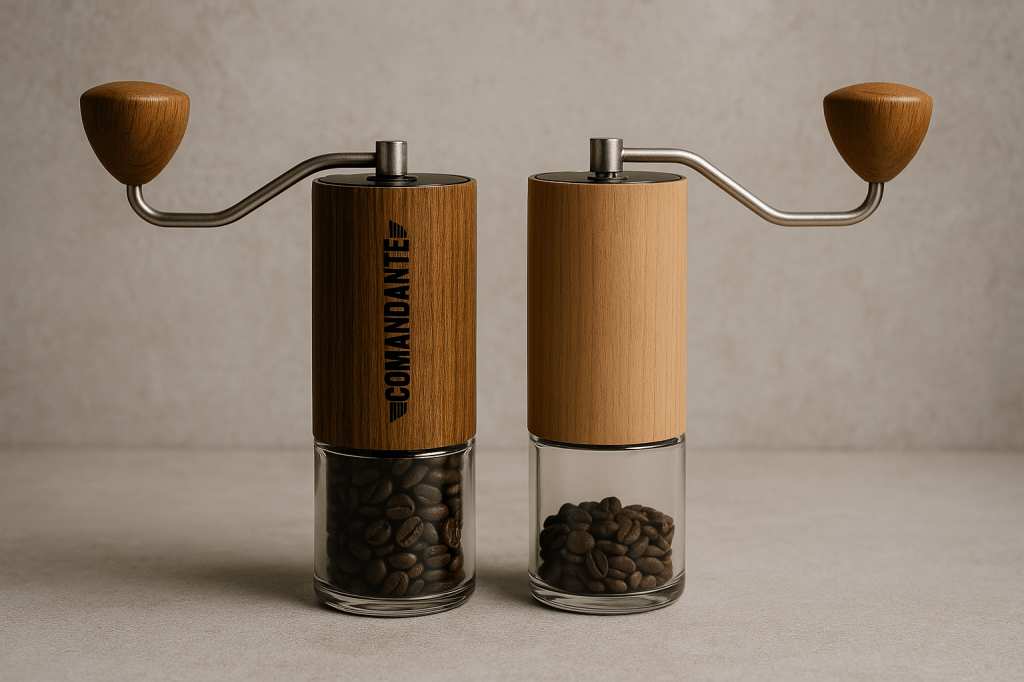
In an industry driven by engineering precision, design excellence, and brand loyalty, the rise of copycat products in the coffee sector is raising serious concerns. Intellectual property theft—involving patent infringement, unauthorized replication, and reverse-engineering of patented features—is threatening both small-scale innovators and established market leaders. From espresso machines to hand grinders and single-serve capsules, imitation goods are disrupting the competitive landscape, reducing incentives for original research and development, and prompting legal action across international jurisdictions.
Nespresso Pod system: A case study in patent litigation
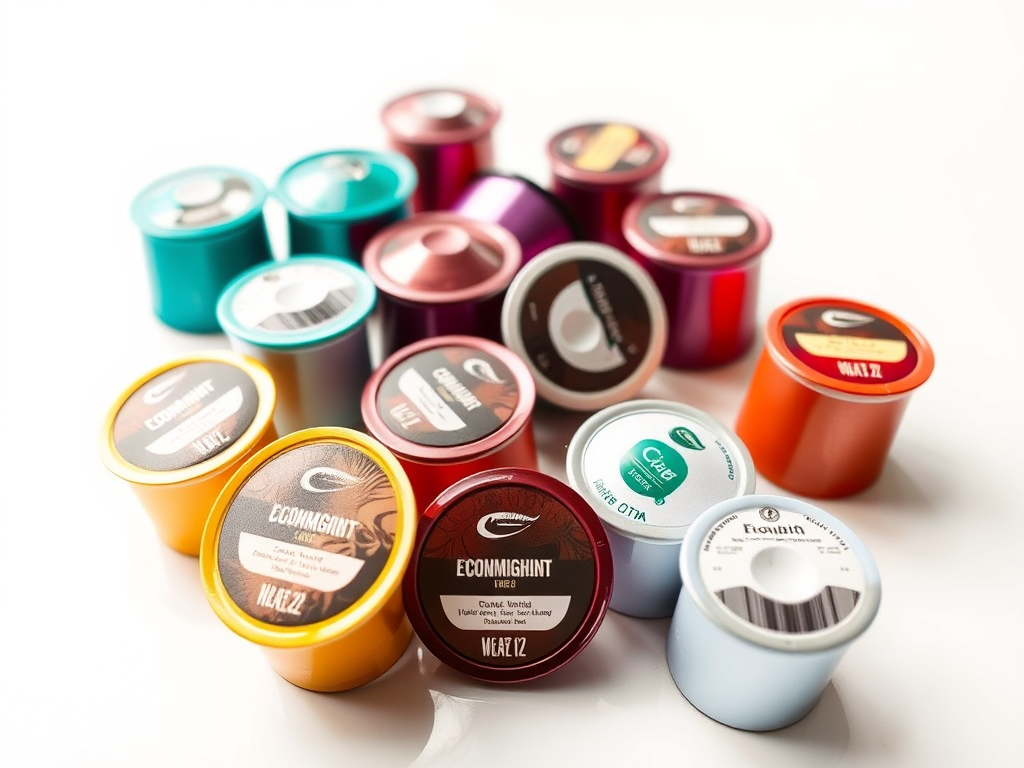
Among the most high-profile examples of IP contention is Nestlé’s legal campaign to defend its patented Nespresso pod system. Introduced in 1986, the proprietary capsule format rapidly garnered a global following. With that success came unauthorized competitors producing compatible capsules at lower price points—and without licensing approval.
In 2013, Nestlé filed lawsuits across Europe against companies such as Ethical Coffee Company and Dualit. However, courts ruled in many cases that expired patents or broad claims did not merit ongoing protection. In Germany, Nestlé lost its bid to block sales of Ethical Coffee Company’s biodegradable alternatives for Nespresso machines. As reported by Reuters, Nestlé lost a bid in Germany to stop rival Ethical Coffee Co from selling biodegradable capsules for use with Nespresso machines.
These legal outcomes underline the vulnerability of innovation once patents lapse or are legally challenged, and they highlight how copycat products can penetrate markets—even when enforcement mechanisms are pursued aggressively.
Independent innovators facing infringement
While conglomerates like Nestlé have the resources to initiate and sustain international litigation, smaller boutique manufacturers face more daunting obstacles.
In April 2024, German specialty coffee equipment maker Comandante initiated legal proceedings against Taiwanese competitor Kingrinder over alleged burr design infringement, and sent a number of cease and desist notices to other brands it believed had replicated or copied its designs. The lawsuit centered on burr geometry—a design variable critical to grind performance, flavor clarity, and dose consistency.
While aimed to protect their products – in line with their patent – the reception from coffee-drinking audiences was hostile, with some calling it a “hissy fit” and others calling for the brand to be boycotted. Popular coffee YouTuber Lance Hendrick even shared a statement on the alleged lawsuit, stating that he no longer would endorse or support the Comandante brand because their patent would “stifle innovation“.
Similarly, coffee tool developer Nucleus Coffee Tools received widespread backlash after it’s founder and 2015 World Barista Champion, Saša Šestić sought legal action against Thai company, Squeaky Coffee after they produced a tool with similar ‘extract chilling’ technology to his company’s products. Nucleus Coffee Tools had registered a patent for such technology, but it had not been approved at the time – since then, a number of very similar, copycat products have emerged, supposedly emboldened by both the specialty coffee community’s support and their reprisal of a company claiming ownership of an idea or technology.
For small brands operating on limited R&D budgets, the cost of defending proprietary innovations internationally often outweighs potential damages awarded. This legal imbalance enables overseas manufacturers to replicate patented components with minimal risk, eroding the financial viability of continued experimentation.
Challenges with patent protection and jurisdictional enforcement
Effective patent protection remains uneven across global jurisdictions—particularly in markets where enforcement mechanisms are often underdeveloped or inconsistently applied. According to the Organisation for Economic Co-operation and Development (OECD), China accounted for 76% of counterfeit goods seized worldwide between 2017–2019, illustrating the scale of origin-based infringement problems.
For coffee hardware manufacturers based outside Asia-Pacific regions, pursuing legal redress abroad typically involves navigation through expensive bureaucratic processes and localized patent filings under agreements such as the Patent Cooperation Treaty (PCT). Filing and defending patents internationally can cost hundreds of thousands of dollars, an effort that remains unattainable for small-batch producers.
For the coffee industry’s artisan sector, which prioritizes design nuance and long-cycle prototyping, such costs represent a significant barrier to recourse.
Does filing patents deter imitation?
Despite the intentions behind patent filings, data suggests they may not effectively deter imitation. Instead, patents can act as signals of commercial viability, attracting competitors interested in entering validated markets. A study published in the Harvard Business Review noted that “Patent trolling has a negative impact on innovation activity”, which indicates a need to “change [U.S] intellectual property policy, particularly to screen out trolling early in the litigation process.”
This paradox—where protective measures simultaneously act as blueprints for replication—challenges the core assumption that intellectual property systems universally incentivize innovation within specialty coffee technology sectors. Once a product gains visibility in enthusiast forums or review channels such as r/Coffee or Home-Barista, it becomes statistically more prone to imitation.
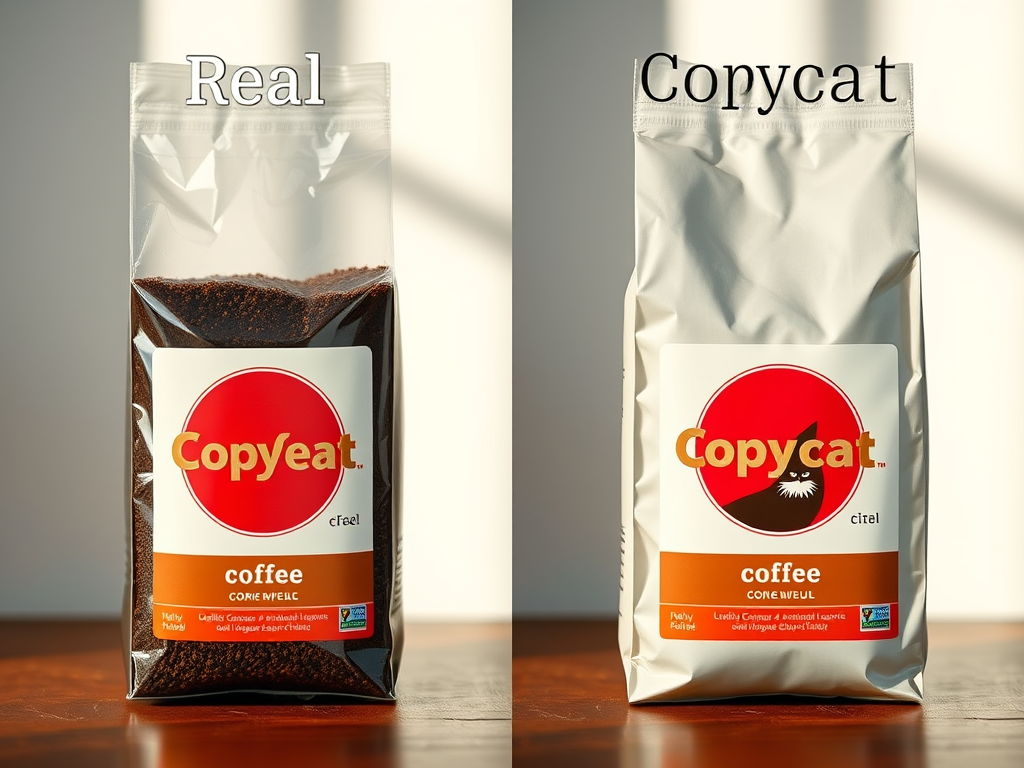
Consumer choice plays a substantial role in driving demand for copycat versions of popular coffee products. While some buyers knowingly opt for lower-priced imitations to remain within budget, others do so unknowingly due to insufficient transparency around product provenance and originality.
Generally, there’s little transparency around who made what first – as such, buyers are often unaware of whether they are supporting original creators or unaccredited replicas, especially when purchasing via e-commerce platforms. If they are aware, many of them don’t really seem to mind, as long as the price is favorable to them.
Marketplaces such as Amazon, although actively attempting to curtail counterfeit listings, continue to experience large volumes of infringing sales. In its 2022 Brand Protection Report, Amazon disclosed that more than six million suspected counterfeit listings were removed globally in that year alone.

Imitation’s impact on innovation incentives
Beyond the damage to individual company profits, widespread unauthorized replication has broader repercussions for innovation. Developers weighing whether the upfront investment in design, tooling, and software integration will be recouped in a competitive and copycat-prone environment may ultimately choose not to pursue new ideas.
According to WIPO, “patents are considered crucial for the invention process because they offer the best incentive for inventors to create something”. Without enforceable deterrents to infringement and a commercial environment that rewards originality, the incentive structure becomes skewed—deterring future participation in high-risk, high-cost creative endeavors.
Some might argue that market-driven imitation forces incumbents to iterate faster and improve quality. However, many contend that frequent replication—especially when misrepresented as original work—undermines the ethics of competition and endangers long-term sustainability of inventor-driven contributions to the coffee ecosystem.
Emerging models for sustainable innovation protection
Alternative strategies are emerging to offset the limitations of traditional patent protections. Some experts advocate for certification models akin to Fair Trade standards used in green coffee supply chains. These would apply ethical sourcing principles to hardware, focusing on transparency, craftsmanship authenticity, and verified innovation.
Others propose bolstering direct-to-consumer communications that emphasize the origin story, technological development, and artisanal values embedded within specialty coffee gear. These narratives could influence purchase decisions, steering consumers toward responsibly made products even in the presence of cheaper alternatives.
However, until global IP standards are reformed to support cross-border enforcement with greater equity, the burden of protection will fall disproportionately on independent brands. These creators—often working with minimal legal assistance—shoulder the task of maintaining innovation in the coffee sector, while facing continuous risk of having their work replicated without recognition or compensation.



 Coffee Digest