

The U.S. government is set to impose new tariffs on imports from Canada and Mexico, effective April 2. These trade policies, introduced under the Trump administration as part of broader economic measures, could impact key commodities—including coffee. Given that both Canada and Mexico play essential roles in the U.S. coffee supply chain, these import taxes may lead to higher costs for businesses and consumers alike.
While the stated goal of these tariffs is to protect American jobs and industries, many experts warn they could backfire by raising prices on everyday goods. The coffee industry, in particular, is heavily reliant on international trade, and any disruptions could affect both small roasters and major brands. With coffee being an essential part of daily life for millions of Americans, the implications of these tariffs may be more far-reaching than initially expected.
How tariffs influence coffee prices
The United States is one of the world’s largest coffee consumers, importing significant volumes of raw coffee beans from Latin America, Africa, and Asia. While unroasted (green) beans predominantly come from nations such as Brazil and Colombia, many processed coffee products—including roasted and instant varieties—enter the U.S. through Canada and Mexico due to longstanding trade agreements under the United States-Mexico-Canada Agreement (USMCA).
According to the National Coffee Association (NCA), approximately 25% of all imported roasted coffee arrives in the U.S. from Canada. Additionally, Mexico supplies a substantial portion of instant coffee and other processed varieties commonly consumed by American households.
With new tariffs increasing the costs on Canadian and Mexican imports, importers are likely to transfer these financial burdens onto roasters and retailers—resulting in price increases for end consumers.
“Tariffs act as an indirect tax on businesses,” said Chad Bown, a senior fellow at the Peterson Institute for International Economics (PIIE). “When companies face higher costs due to duties on imports, they often raise prices or cut back elsewhere.”

Potential impact on consumers and businesses
Major coffee chains such as Starbucks and Dunkin’ rely extensively on international supply chains for their blends. Even minor cost fluctuations can lead to noticeable price adjustments across thousands of U.S. locations.
Grocery retailers may also experience price hikes for packaged ground coffee, especially for brands like Folgers or Nescafé, if production expenses rise due to added import taxes. As manufacturers adjust pricing strategies to maintain profitability, consumers could see increased retail prices passed down at checkout.
Shifts in consumer behavior may follow, with some individuals opting for alternative beverages—such as tea or energy drinks—or seeking out more affordable private-label brands instead of premium coffee options.
A precedent for such developments occurred during previous trade tariff disputes with China. In 2019, specialty food items saw price spikes following retaliatory policy measures, disrupting grocery markets and affecting consumer spending habits.
Industry reactions and economic forecasts
Leaders in the coffee industry have voiced concerns about potential disruptions caused by these evolving trade policies.
“The added uncertainty surrounding cross-border commerce makes it difficult for our members to plan ahead,” said Bill Murray, President & CEO of the National Coffee Association. “We urge policymakers to consider how essential commodities like coffee are impacted.”
Economists suggest that some industry players may seek short-term alternatives, such as sourcing more supplies directly from non-tariffed regions. However, logistical complications and supply chain dependencies make this shift particularly challenging.
Additionally, speculation has emerged that lobbying efforts could pressure lawmakers into crafting tariff exemptions for agricultural goods critical to consumer markets—an approach recently seen in trade negotiations involving dairy products.
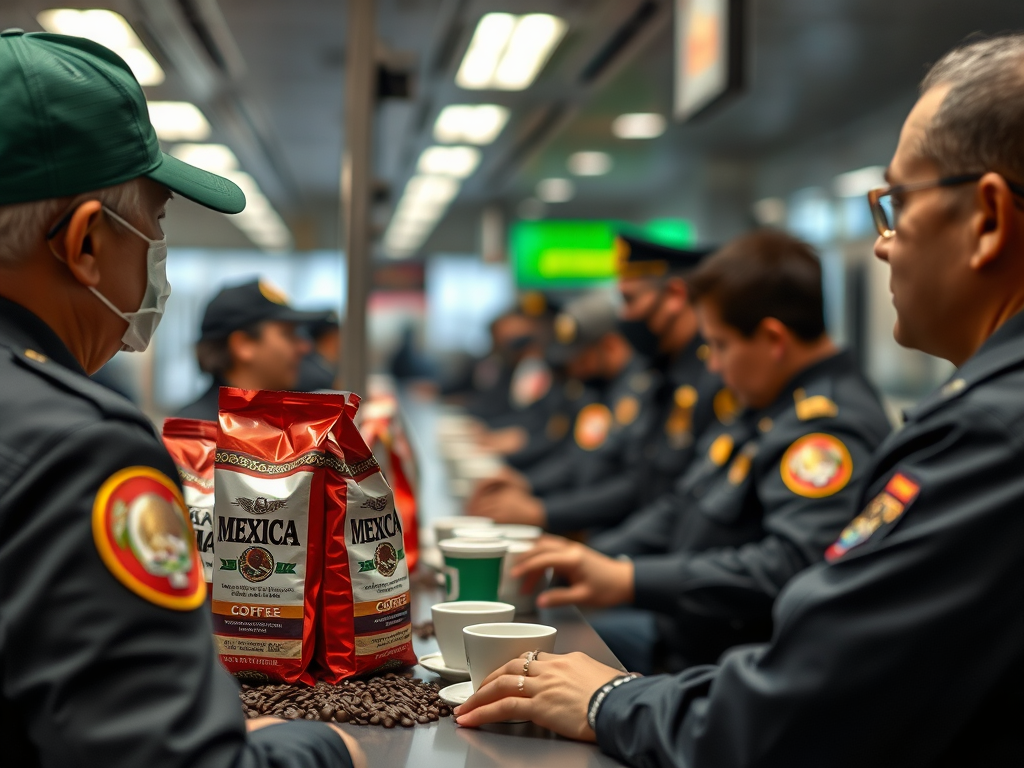
Political motivations behind the tariffs
The Trump administration’s tariff strategy is rooted in the belief that imposing duties on imports will protect American jobs, reduce trade deficits, and encourage fair trade practices. By targeting countries like Canada and Mexico—two of the United States’ largest agricultural trade partners—the administration aims to renegotiate trade agreements in favor of U.S. interests.
However, critics argue that such tariffs undermine the principles of free trade and create instability in key industries. As noted by Brookings Institution, past tariff policies have led to supply chain disruptions and increased costs for businesses reliant on international trade.
A major concern is the impact on small and mid-sized coffee roasters that lack the financial cushion of larger corporations. Higher import costs on roasted and processed coffee could squeeze profit margins and limit consumer choice, ultimately making coffee more expensive for everyday Americans.
The NCA has formally requested that the Trump administration exempt coffee products from these tariffs, arguing that they will disproportionately harm American consumers and small businesses. Without an exemption, the tariffs could put significant pressure on the domestic coffee market, increasing prices and reducing accessibility to certain products.
Concerns over these tariffs were raised prior to the election, with Coffee Digest listing them as a potential issue for the coffee industry. Analysts had warned that protectionist trade policies could disrupt supply chains and lead to inflationary pressures in consumer goods, including coffee.

What this means for the future
If these tariffs remain in place, the U.S. coffee industry may need to adapt by seeking alternative supply routes or renegotiating contracts with international partners. However, such adjustments could take years to materialize, leaving businesses and consumers vulnerable to higher prices in the meantime.
The long-term effects of these tariffs could extend beyond coffee, influencing broader trade relations between the U.S. and its key partners. Industries dependent on global supply chains—including food, beverages, and retail—may face similar cost challenges, prompting shifts in sourcing strategies and consumer preferences.
If political pressures mount, exemptions or policy reversals could occur, mitigating some of the economic strain. However, without such changes, American consumers should expect prolonged volatility in coffee prices and potential disruptions in availability, particularly for specialty and premium coffee products.
As analysts continue to monitor the situation, businesses and consumers alike must prepare for potential adjustments in pricing, trade partnerships, and supply chain logistics in response to these new tariffs. A major concern is the impact on small and mid-sized coffee roasters that lack the financial cushion of larger corporations. Higher import costs on roasted and processed coffee could squeeze profit margins and limit consumer choice, ultimately making coffee more expensive for everyday Americans.
As the April 2 deadline approaches, analysts continue to monitor ongoing developments. If these trade tariffs remain in place without exemptions, American consumers should prepare for the possibility of higher coffee prices in the coming months.



 Coffee Digest