
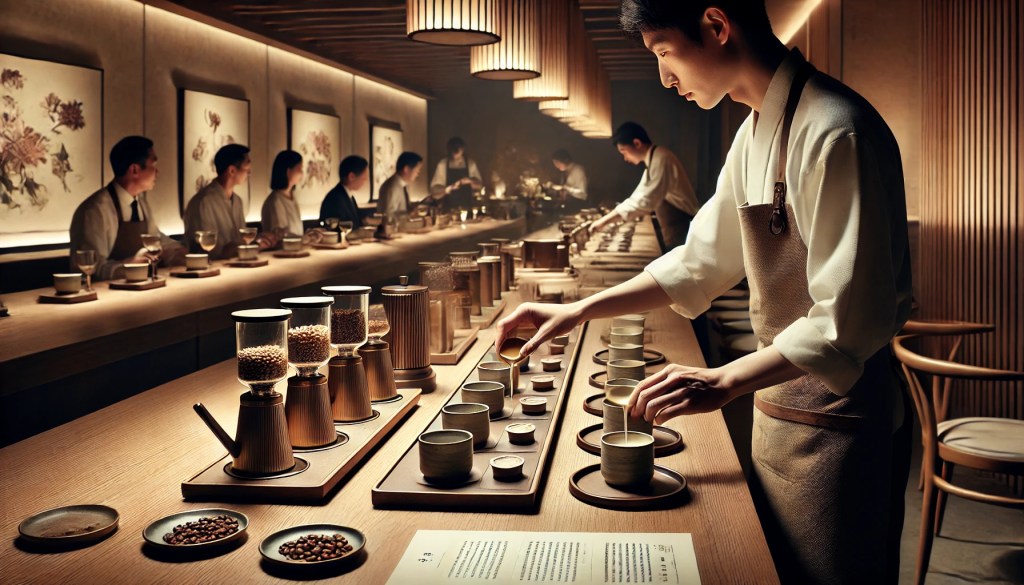
The term omakase, meaning “I’ll leave it up to you” in Japanese, has long been embedded in Japan’s fine dining culture, particularly in sushi restaurants. It represents a personalized experience where chefs curate dishes based on seasonality, expertise, and trust between the chef and customer. Recently, specialty coffee establishments have adopted this concept through coffee omakase—an immersive tasting experience where baristas introduce customers to various brewing methods, origins, and flavor profiles.
While some view this as an innovative way to enhance appreciation for specialty coffee, others question whether the use of omakase outside its traditional setting is cultural appropriation rather than genuine homage. The discussion raises broader concerns about the ethical implications of adopting cultural terms within the food and beverage industry—whether such usage respects its origins or reduces it to a marketing strategy.
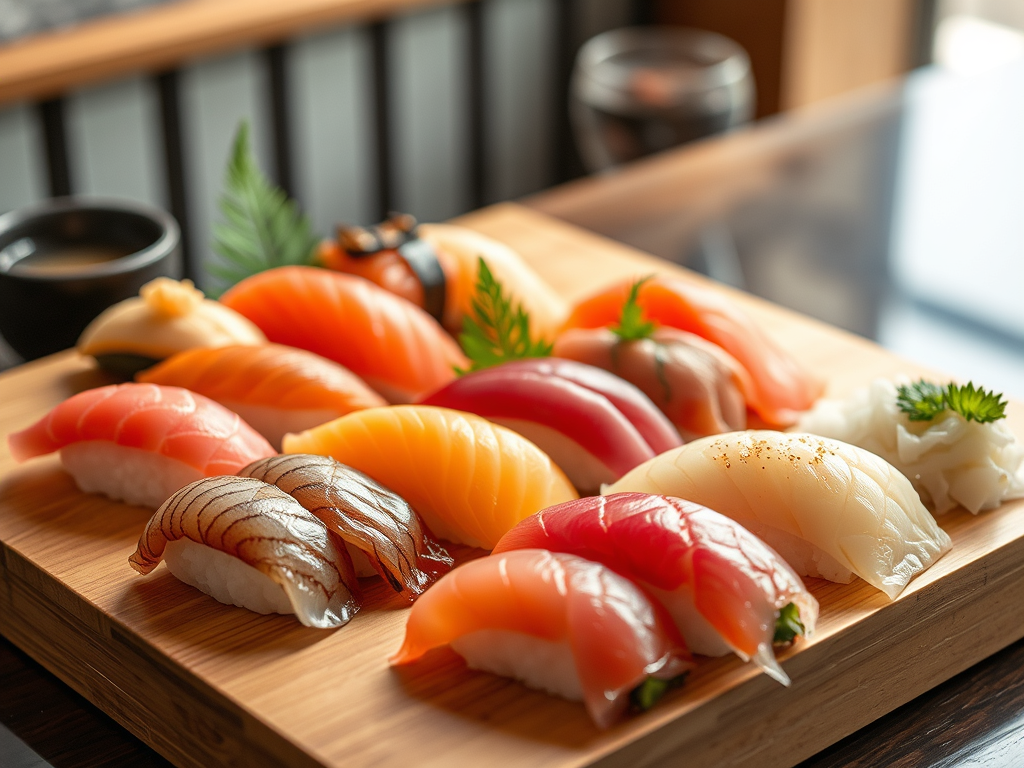
The cultural significance of Omakase
Omakase has a long-standing tradition in Japanese cuisine, emphasizing deference to the chef’s expertise and a deep understanding of ingredients. In high-end sushi establishments, diners trust chefs to present a carefully arranged series of courses, showcasing fresh and seasonal ingredients. This philosophy extends beyond meal preparation; it reflects craftsmanship, technical mastery, and respect for Japanese culinary traditions.
“Omakase is not just about serving food; it’s about creating an intimate relationship between the chef and customer”, Naomichi Yasuda, founder of Sushi Yasuda in New York City, explains.
The experience of omakase is often deeply personal. Many sushi chefs spend years perfecting their craft, learning not only the technical skills but also how to read their customers’ reactions and tailor their service accordingly. The meal is as much about storytelling and engagement as it is about flavor, with each course flowing seamlessly into the next, creating a journey rather than just a dining experience. This meticulous attention to detail and the relationship between chef and guest is what makes omakase unique and difficult to replicate outside its cultural context.
Beyond sushi, the omakase philosophy has been embraced in other aspects of Japanese cuisine, from kaiseki dining to high-end wagyu experiences. Each iteration maintains the same core principles—trust, seasonality, and expertise—demonstrating that omakase is more than just a meal; it is an embodiment of Japan’s approach to hospitality, known as omotenashi. This concept, which emphasizes anticipating a guest’s needs and delivering service with sincerity, is integral to understanding the depth and cultural significance of omakase.
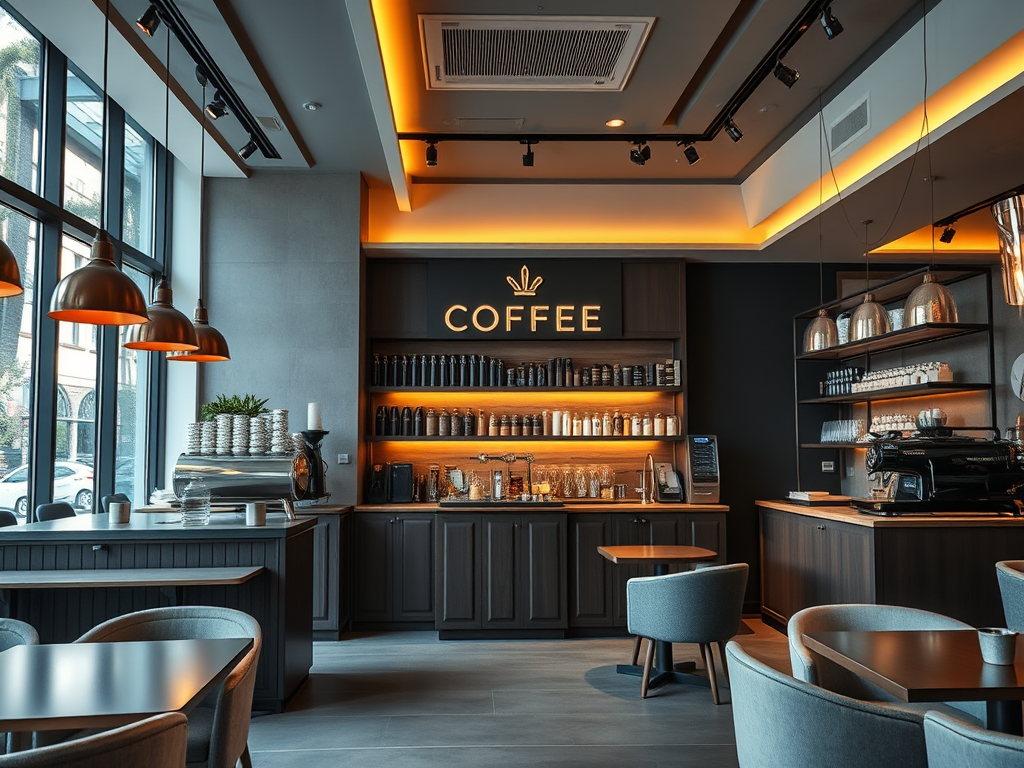
The emergence and rise of ‘Coffee Omakase’
As the specialty coffee industry continues to evolve, coffee omakase has gained traction globally. This experience, where expertly trained baristas and other coffee professionals guide customers through curated tastings featuring different beans, brewing techniques, and flavor profiles, mirrors traditional omakase dining in its emphasis on precision and intentional curation.
In Japan, coffee omakase has become a growing trend, with establishments such as Koffee Mameya and Cokuun leading the way. At Koffee Mameya in Tokyo – who started omakase in 2021 as a response to the COVID-19 pandemic, and “after years of building relationships with our customers, suppliers and roasters” – baristas tailor tasting experiences based on the customer’s preferences, selecting from rare micro-lots to create a unique journey. Similarly, Cokuun – led by former World Barista Champion, Hidenori Izaki and three-time Japanese barista champion Miki Suzuki – offers a multi-course coffee omakase experience that incorporates elements of fine dining, with a strong focus on the craftsmanship behind each brew.
Beyond Japan, this concept has found success worldwide – for example, in São Paulo, Brazil, Pato Rei serves a daily coffee omakase, referred to as “omakafé,” featuring exclusive gesha varieties. More recently, a number of prominent brands and baristas are embracing the adaption of omakase to coffee – renowned barista and World Barista Champion, Boram Um offered an omakase coffee experience through Brewing Gadgets, where he walks guests through an expertly crafted tasting journey, Australian coffee roasters, Tobys Estate and ONA Coffee are both advertising their own version of coffee omakase; and the term is even trending on TikTok.
Cultural appropriation vs. Respectful adoption
One might argue that repurposing omakase outside of its cultural and historical context risks trivializing its heritage. The concern here is that the term is being utilized as a branding tool rather than an authentic tribute to its Japanese origins.
Dr. Krishnendu Ray, professor of Food Studies at New York University, believes that there is abundant cultural appropriation in the food industry, saying “Cultural appropriation happens when dominant groups take elements from marginalized cultures without understanding their history or significance” (New York Times). The worry is that businesses are appropriating the concept of omakase as a marketing strategy in coffee, and may be capitalizing on Japanese culture without fully acknowledging its roots, nor embracing the inherent ‘trust’ that is central to Japanese omakase. Such borrowing, when not done with proper cultural context, risks commodifying traditions rather than celebrating them.
A similar debate exists around Nikkei cuisine, a fusion of Japanese and Peruvian food. While celebrated as an innovative blending of cultures, some argue that it is often marketed without recognition of the historical struggles of Japanese immigrants in Peru. This raises parallels with coffee omakase — if businesses fail to acknowledge the cultural and historical significance of omakase, or simply use the term for their own means without embracing its principles, they risk turning a deeply rooted tradition into a trendy commodity.
The ethical considerations behind Coffee Omakase
The debate surrounding coffee omakase and cultural appropriation largely depends on how businesses implement the concept. One of the most important factors is whether cafés acknowledge the origins of omakase and provide educational context about its significance in Japanese culture. When businesses fail to recognize the cultural and historical roots of the term, they risk reducing it to a mere marketing tool rather than an authentic tribute.
Another crucial element is authenticity in execution. A true omakase experience, whether in sushi or coffee, relies on craftsmanship, careful curation, and transparency in sourcing. If cafés are simply using the term omakase without embracing these core principles, they may be engaging in cultural appropriation rather than genuine appreciation. Businesses that thoughtfully construct a guided tasting experience, showcasing the expertise of their baristas and the complexity of different coffee varieties, are more likely to align with the spirit of omakase rather than simply capitalizing on its name.
Ethical considerations also extend to marketing practices. If coffee omakase is promoted purely as an upscale, trendy experience without recognition of its cultural heritage, it risks being exploitative. Helen Rosner, a writer for The New Yorker, notes that while food evolves through cultural exchange, ethical responsibility lies in giving credit where it is due. Her perspective reinforces the idea that borrowing from another culture should come with an obligation to honor its origins rather than simply repackage it for profit: “Food evolves through cultural exchange—but ethical responsibility lies in giving credit where it’s due” (The New Yorker).
Additionally, The Cornell Daily Sun highlights that cultural appropriation in food is not just about borrowing elements from another culture but also about who benefits from it. Historically marginalized communities often see their traditions commercialized by outsiders while receiving little to no recognition or financial gain. If coffee omakase follows this pattern—where Japanese cultural elements are repurposed for profit without proper acknowledgment—it could be viewed as exploitative rather than an act of appreciation.
A trend in the name of specialty coffee
While the ethical implications of coffee omakase remain a topic of debate, there is little doubt that it is largely driven by the specialty coffee industry’s desire to elevate consumer experience. Many cafés and baristas implementing omakase-style tastings do so with the intent of showcasing coffee’s complexity, much like a sommelier-led wine tasting – although on this point, you rarely see baristas borrowing such terms and referring to themselves as “coffee sommeliers”.
While coffee omakase remains a point of contention, the way businesses approach it will determine whether it is seen as a respectful homage or an instance of cultural appropriation. By recognizing its origins, maintaining authenticity, and ensuring ethical marketing practices, specialty coffee professionals can create an experience that is both educational and enriching rather than simply a passing trend.
Ultimately, whether coffee omakase is seen as appreciation or appropriation may depend on how long the trend lasts and how businesses approach its execution. If treated with respect—by honoring its origins and upholding its core values—it has the potential to introduce coffee lovers to new experiences in a way that aligns with specialty coffee’s broader mission of education and sensory exploration.

 Coffee Digest