

In recent years, coffee producers and researchers alike have faced escalating threats to one of the globe’s most cherished commodities—coffee. Diseases like coffee leaf rust (la roya) caused by Hemileia vastatrix continue to devastate crops across Latin America, Africa, and Asia. In response, global initiatives have focused on developing disease-resistant coffee varieties.
However, while cultivating these new coffee strains promises solutions against la roya and other diseases, some experts caution that this push may come at a cost, particularly in terms of genetic diversity and potential environmental impacts.
The growth of disease-resistant coffee varieties
Coffee leaf rust is not an unfamiliar menace. Its presence was first recorded in Sri Lanka in 1869, and it has since spread globally over the decades. Yet, it was a major resurgence in 2012 that spurred significant losses and widespread concern across key coffee-producing regions. According to World Coffee Research, “the outbreak that began in Central America caused more than $1 billion in damage between 2012 and 2017”. In recent years, la roya has been detected in a range of other coffee-producing regions, leading to substantial challenges for local coffee growers, and continues to lead to losses in excess of $1 billion per year.
In response, coffee breeders introduced several hybrid coffee varieties, such as Castillo from Colombia and Lempira from Honduras, designed specifically for their resistance to coffee leaf rust. These disease-resistant coffee varieties have provided a crucial lifeline to smallholder farmers who lack the resources to invest in costly fungicides or advanced agricultural technologies. As a result, such innovations have been hailed as vital steps towards securing coffee production in the face of mounting biological threats.
However, there is growing debate over whether this narrow focus on disease-resistant coffee varietal innovation truly addresses the broader sustainability concerns of the global coffee industry.
The threat to genetic diversity
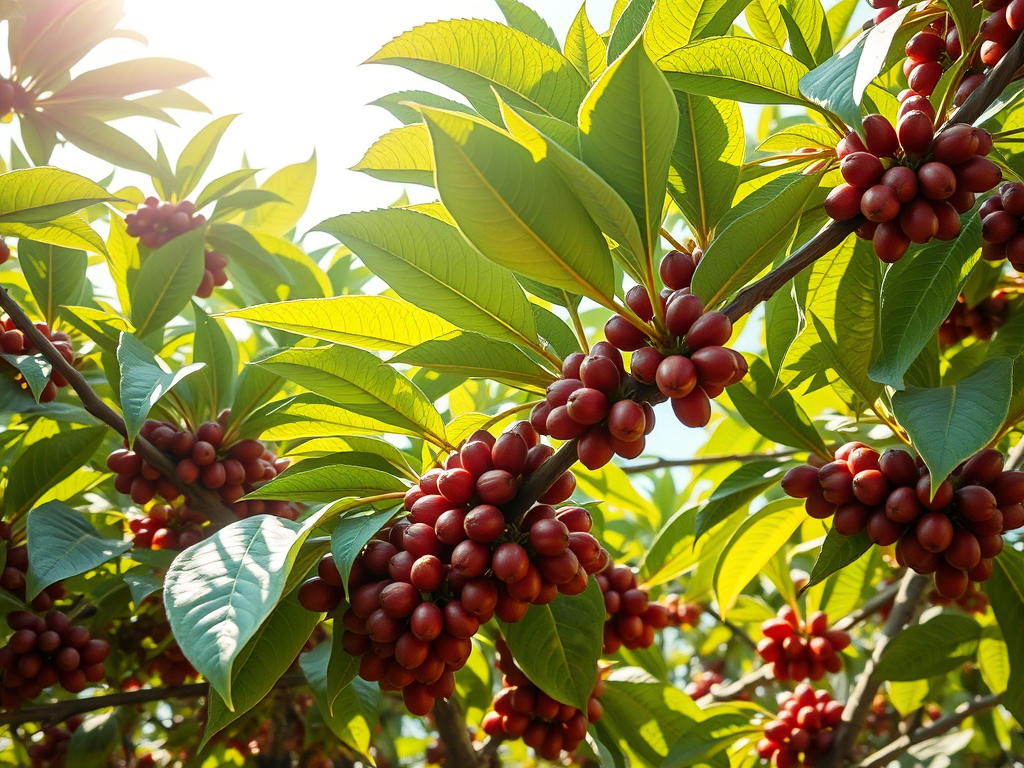
A prominent issue raised by critics is that the increasing reliance on disease-resistant coffee strains may reduce overall genetic diversity in coffee populations—a critical factor for long-term sustainability and resilience. If fewer genetic variations are included in coffee breeding programs, the crop’s ability to adapt to future challenges, such as evolving pests or changing climatic conditions, could be severely compromised.
Dr. Aaron Davis from Kew Gardens’ Royal Botanic Gardens points to the risks associated with reducing genetic diversity in coffee breeding: “The fewer genes we rely on when breeding plants means less adaptability they will have when faced with future challenges”. He underscores that while today’s resistant cultivars may offer temporary protection against la roya, they could become highly susceptible to other pathogens tomorrow or even buckle under unexpected environmental shifts.
Historical precedents demonstrate the dangers of monoculture systems, where genetic uniformity leads to catastrophic failures when confronted with unforeseen circumstances. One well-documented example is the Irish Potato Famine, where reliance on genetically similar potato varieties left crops vulnerable, culminating in devastating agricultural and socioeconomic consequences.
As coffee becomes increasingly reliant on disease-resistant coffee innovations, the imperative to conserve its genetic diversity becomes all the more critical. Many leading experts warn that without careful management, today’s disease-resistant coffee varieties could lay the foundation for future vulnerabilities.

Rapid evolution of pathogens
It is also important to recognize that disease-resistant coffee varieties are not immune to permanent risk. Pathogens are capable of rapid evolution and can quickly overcome single-gene resistances, undermining the effectiveness of newly developed coffee strains over time.
Recent studies published in the journal Infection, Genetic and Evolution underscore this point: “Though cultivar mixtures and related approaches have been used successfully, identifying the diseases and conditions that are most conducive to the use of diversity has been surprisingly difficult, and the selective influence of diversity on pathogen populations is complex.”
This trend poses additional challenges to long-term efforts aimed at creating disease-resistant coffee solutions. While hybrid coffee varieties may succeed in the short term, the persistent evolution of diseases like coffee leaf rust means that continuous research and development are needed to stay ahead of emerging threats.
Only through holistic approaches—incorporating diverse genetic traits, integrated pest management strategies, and long-term investments in sustainable agricultural practices—can the coffee industry hope to safeguard its future productivity.
Environmental implications of hybrid coffee cultivation
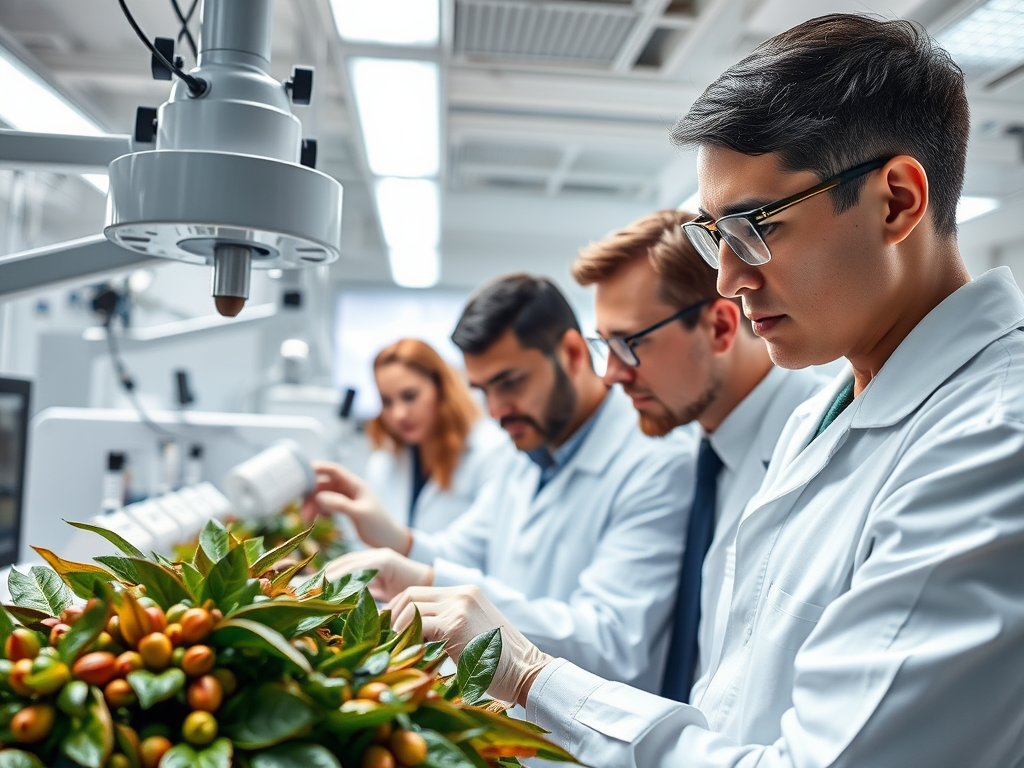
A further concern tied to the adoption of disease-resistant coffee varietal innovation is its environmental impact. The cultivation of hybrid coffee varieties—which often require higher inputs in terms of water, fertilizers, and specific soil conditions—may inadvertently contribute to environmental degradation if not managed sustainably.
Smallholder farmers, who constitute the backbone of the coffee industry, often lack the resources necessary to adopt environmentally friendly practices while implementing disease-resistant coffee solutions. Without access to training, support, and sustainable farming techniques, the unintended environmental repercussions of cultivating these hybrids could exacerbate ecological pressures already present in coffee-growing regions.
The long-term success of disease-resistant coffee varieties depends on their integration into ecosystem-friendly agricultural frameworks. Providing smallholder farmers with the necessary tools and knowledge is crucial. Initiatives that combine the introduction of resistant varieties with training in sustainable practices, such as shade-grown coffee and organic farming, have shown promise in enhancing both productivity and environmental sustainability.
While disease-resistant coffee varieties offer immediate relief to the challenges posed by la roya and other pathogens, their long-term success hinges on integrating them within broader ecosystem-friendly agricultural frameworks. Ensuring that smallholder farmers have the tools and knowledge to grow resilient coffee varieties in harmony with their environments is paramount to preventing unintended ecological consequences.




 Coffee Digest