
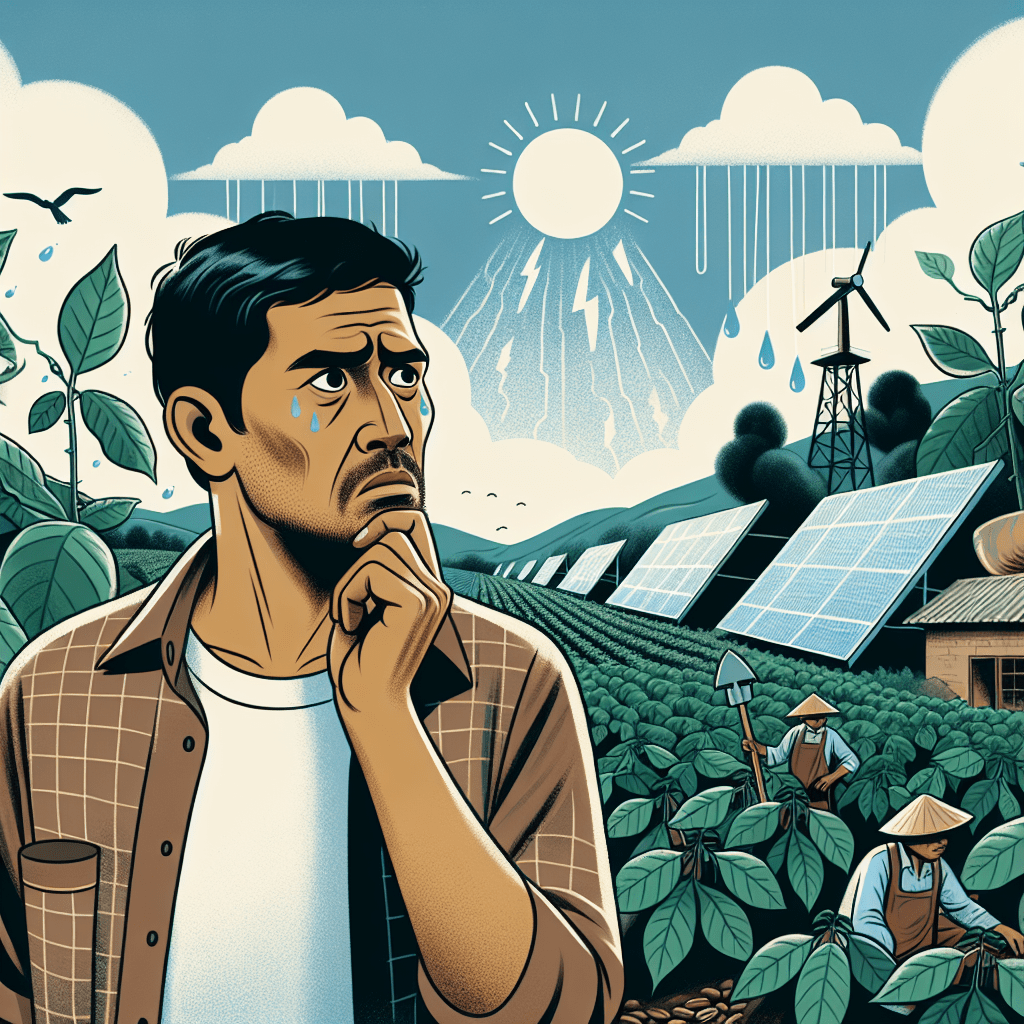
In the past decade, sustainability has become a dominant conversation in the coffee industry. Companies worldwide have announced bold environmental and ethical sourcing goals, from Nestlé’s Responsible Sourcing program to Starbucks’ Coffee and Farmer Equity (C.A.F.E.) Practices. Certifications like Fairtrade, Rainforest Alliance, and organic coffee promise transparency and greener farming.
While these initiatives are critical to combat climate change and protect natural ecosystems, they often come with unintended consequences for smallholder coffee farmers. These producers, who grow 80% of the world’s coffee according to the International Coffee Organization (ICO), are often the ones shouldering the financial and logistical burdens of sustainability goals. As the industry works toward long-term ecological benefits, the question arises: are we asking too much of the people least equipped to adapt?
A closer look at the costs of sustainability
The push for sustainability often translates to higher costs at the farm level. For many smallholder farmers, implementing sustainable practices means investing in new tools, equipment, and training. Transitioning to organic farming, for example, may involve years of preparation to comply with certification standards, including reworking entire farming systems to eliminate chemical inputs. While these changes reduce environmental harm, they come with significant upfront costs.
Academic research highlights these challenges. A study from the International Center for Tropical Agriculture (CIAT) shows that the average farmer transitioning to organic practices faces a 20–30% yield reduction during the initial years, coupled with increased labor costs (CIAT). In regions like Latin America, where many farmers earn less than $2 a day, such reductions can be devastating.
Similarly, certifications like Rainforest Alliance and Fairtrade require compliance with specific standards, including water management, agroforestry techniques, and biodiversity protection. While the certifications often promise premium prices, many farmers report that the additional income rarely offsets the costs of meeting compliance. A report from the Specialty Coffee Association notes that only 5–10% of the retail price of coffee typically reaches the farmer, leaving little room for reinvestment (SCA).
Climate change is intensifying the pressure
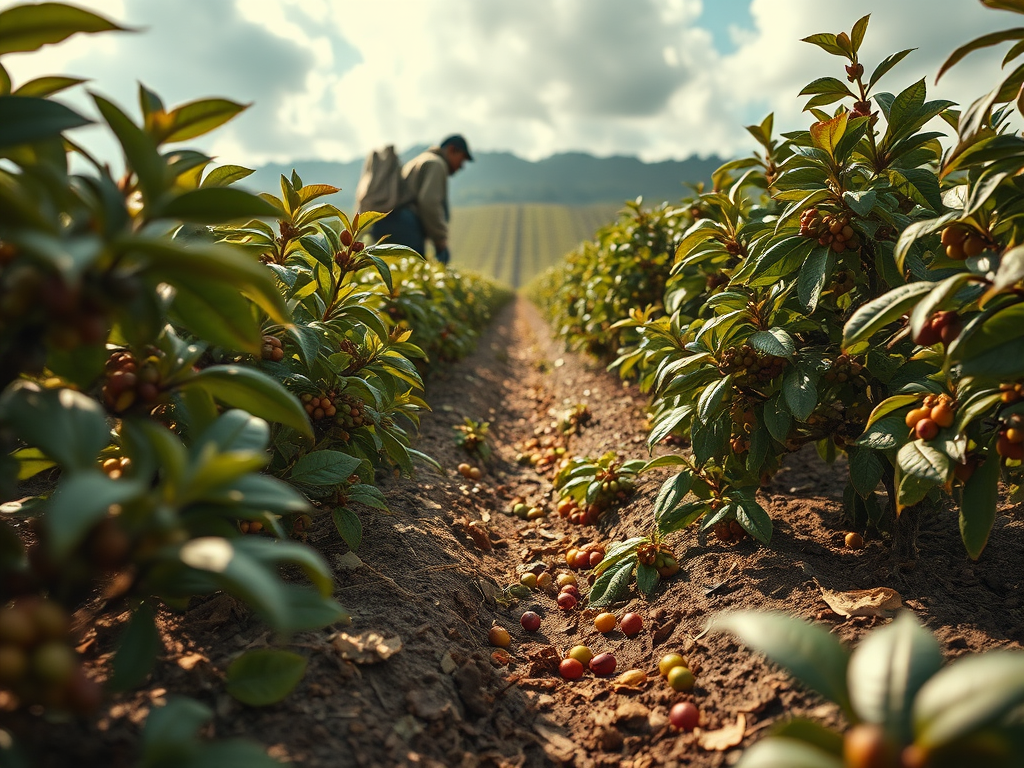
Climate change compounds the difficulty of achieving sustainability. Rising temperatures and erratic weather patterns are already disrupting coffee yields in traditional growing regions. According to the Climate Institute, by 2050, up to 50% of the land currently used for coffee farming may become unsuitable for production.
To combat these challenges, farmers are encouraged to adopt climate-smart practices, such as planting shade trees, diversifying crops, and investing in resilient coffee varieties. These practices are critical for long-term sustainability, but they require technical knowledge and financial resources that many smallholders lack.
Non-profits like the World Coffee Research (WCR) and TechnoServe are stepping in to bridge this gap. WCR, for instance, has developed new coffee hybrids designed to thrive in warmer climates and resist pests. Meanwhile, TechnoServe’s agronomy training programs in Africa and Latin America have helped tens of thousands of farmers increase yields and reduce environmental impact. However, the scale of these programs is still far from sufficient to meet global demand.

Who benefits from sustainability?
The benefits of sustainability programs often appear at the top of the supply chain rather than at the farm level. For corporations, sustainability goals can improve brand reputation, meet consumer demand for ethical products, and secure supply chain resilience. Certifications also serve as valuable marketing tools, allowing companies to charge premiums for certified coffee while leaving farmers to navigate the associated costs.
Consumers, too, reap the benefits of sustainability in the form of ethically sourced coffee that aligns with their values. However, the disconnect between what consumers pay for sustainable coffee and what farmers receive is stark. A 2021 study by Oxfam found that while the price of certified coffee is often 15–25% higher in retail markets, only a fraction of this premium is passed on to farmers.
Critics argue that this system perpetuates inequality in the coffee supply chain. By placing the burden of sustainability on the most vulnerable stakeholders, the industry risks undermining the very communities it aims to support. As Anke Kloth, an agricultural sustainability expert at the Global Coffee Platform, notes, “True sustainability requires a shift in how value is distributed across the supply chain. Farmers must see tangible benefits, not just added responsibilities”.
Towards a fairer model of sustainability
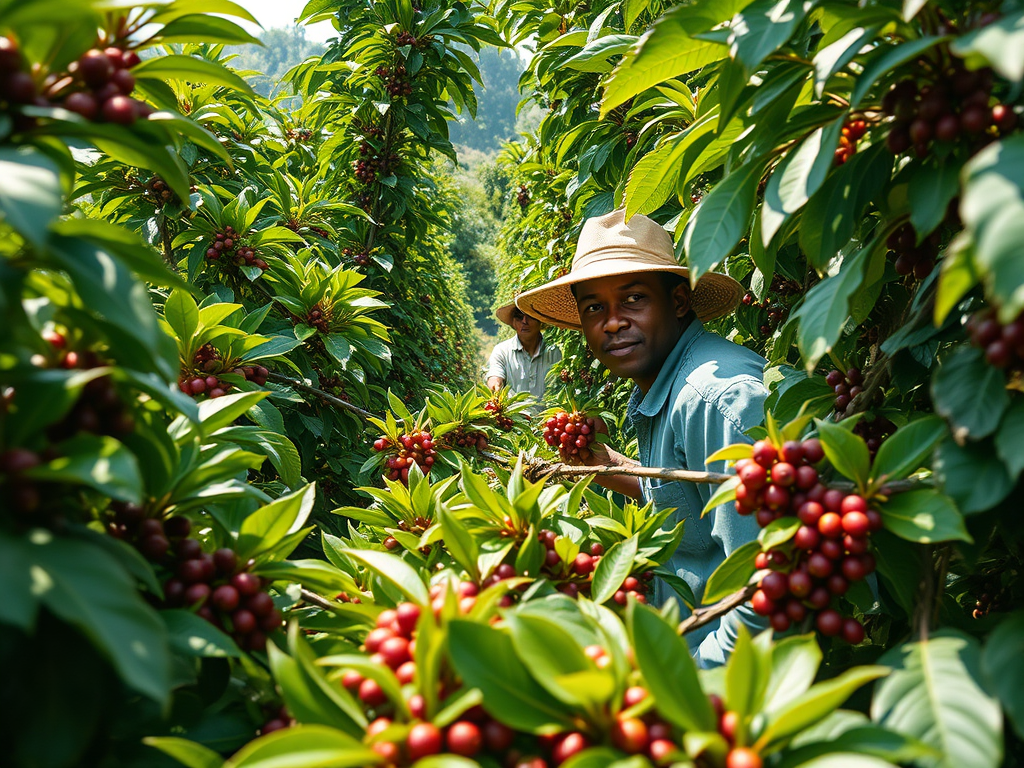
Creating a sustainable coffee industry requires companies to directly address the financial burdens placed on farmers. Programs like Nespresso’s AAA Sustainable Quality Program demonstrate how technical support and financial incentives can help producers adopt sustainable practices without bearing the full cost themselves.
Certification bodies also need to adapt. More flexible, tiered models could allow farmers to meet standards gradually, reducing the upfront costs that often deter participation. Transparency in pricing is another critical factor. Organizations like the Specialty Coffee Transaction Guide advocate for pricing systems that ensure farmers receive a fair share of coffee’s retail value.
Consumer awareness plays an important role. By understanding the challenges faced by smallholders, buyers can support brands that prioritize equitable and sustainable practices. Ultimately, sustainability must become a shared responsibility, with corporations, governments, and consumers working together to ensure that the environmental costs of coffee production do not come at the expense of farmers’ livelihoods.
The common thread in all these approaches is collaboration. Corporations, non-profits, governments, and consumers must work together to create a coffee industry that balances ecological goals with economic equity. Without this shared commitment, sustainability risks becoming another source of inequality in an already fragile supply chain.

The future of sustainability in coffee
The path to sustainability in coffee is fraught with challenges, but it is not insurmountable. Collaboration between corporations, non-profits, governments, and consumers is essential to create a system where ecological and economic goals align. Farmers must be seen not as mere suppliers but as partners in a shared mission to protect the planet and secure the future of coffee.
The stakes are high. As the effects of climate change intensify and consumer demand for ethical products grows, the industry’s ability to adapt will determine whether coffee remains a viable livelihood for millions of smallholders. It is a task that requires shared responsibility—one that ensures the cost of sustainability does not fall disproportionately on those least able to bear it.




 Coffee Digest