
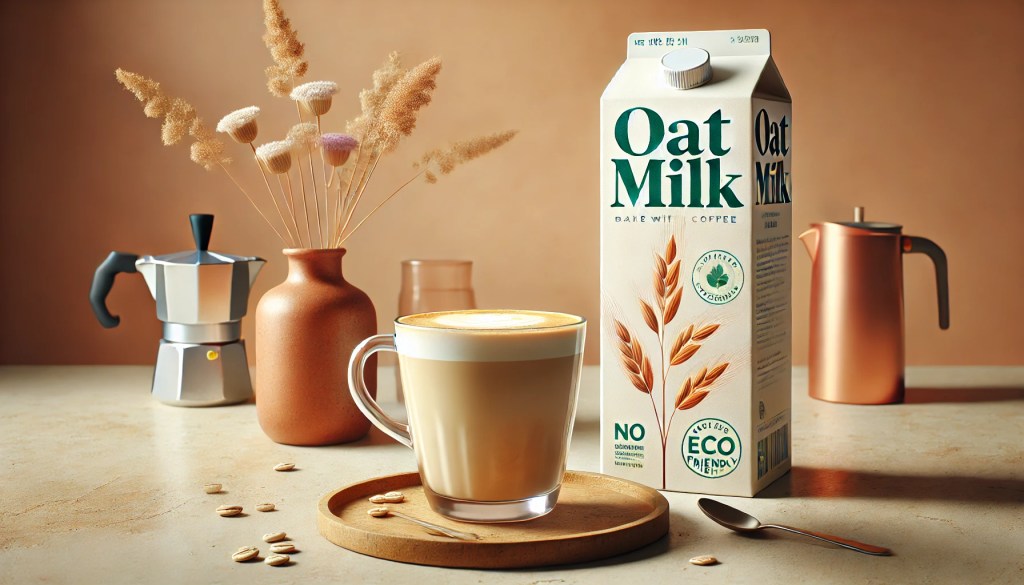
In recent years, the demand for oat milk has soared, transforming what was once a niche product into a staple of modern coffee culture. While initially embraced by vegans and individuals with lactose intolerance, oat milk has expanded its appeal to a much broader audience, earning its place in artisanal cafes and global coffee chains alike. Its creamy texture, neutral flavor, and ability to blend seamlessly with coffee beverages have made it a favorite among baristas and consumers.
This shift reflects larger trends in consumer behavior, where health-consciousness, sustainability, and the desire for plant-based alternatives drive purchasing decisions. However, as the market for oat milk continues to grow, some wonder whether its current popularity signals a lasting cultural shift or if it’s merely riding a wave of temporary enthusiasm. As competitors in the plant-based milk sector—like almond, soy, and coconut milk—vie for attention, the future of oat milk’s dominance in coffee culture remains a subject of speculation.

The rise of oat milk in coffee
The ascent of oat milk can be attributed to several socio-economic and environmental drivers: consumer health consciousness, sustainability concerns, and shifting preferences towards plant-based alternatives.
Oat milk was first commercially introduced by the Swedish brand Oatly in the 1990s, following its invention by scientist and co-founder of Oatly, Rickard Öste. However, it wasn’t until around 2016 that the product gained traction beyond Scandinavia, primarily within the U.S. coffee market. According to data from SPINS, sales of plant-based milks grew by 5% between June 2021 and June 2022. Among these alternatives, such as almond, soy, and coconut milk, oat milk distinguished itself as an ideal companion to coffee beverages due to its rich, creamy consistency, which mimics that of traditional dairy milk.
“Oat milk works well with coffee because it steams like whole dairy,” says Michael Phillips, Blue Bottle Coffee’s Director of Training. Its ability to create a smooth, frothy texture essential for lattes and cappuccinos appeals to baristas focused on maintaining consistency in their drinks—a vital selling point for premium coffee establishments.
Additionally, many consumers are drawn to oat milk for its lower environmental impact. Almond milk production, often criticized for its water intensity, requires an estimated one gallon of water per single almond, whereas soy farming has been linked to deforestation, particularly in South America. Oat farming, on the other hand, demands significantly less water and emits lower carbon emissions compared to both almond cultivation and conventional dairy farming.

Sustainability and health benefits fuel consumer demand
Oat milk’s growing popularity intertwines with the increasing awareness of environmental sustainability in food and beverage choices, especially among coffee drinkers who prioritize eco-conscious consumption.
Dairy production has long been scrutinized for its role in contributing to greenhouse gas emissions and resource depletion. By comparison, plant-based milk alternatives, including oat milk, offer a more sustainable choice. Research from the University of Oxford highlights that producing one glass of dairy milk results in nearly three times the greenhouse gas emissions compared to any plant-based milk. Furthermore, oat farming generally requires fewer resources than both almond and soy cultivation, adding to its credibility as the top sustainable milk choice.
Consumers who frequent cafes are increasingly mindful of their environmental footprint, turning to plant-based milk alternatives as a way to reduce negative ecological impacts. Oat milk, in particular, aligns with this mindset by offering a smaller overall environmental toll, all while maintaining the taste profile consumers expect in specialty coffee beverages.
Health considerations have also played a pivotal role in oat milk’s rise to prominence in the coffee market. Unlike some other plant-based milk options, which may contain artificial additives, sweeteners, or thickeners, oat milk offers a more natural blend. Many brands of oat milk feature minimal ingredients, usually comprising oats and water, with optional fortifications like calcium or vitamins B12 and D.
“Oats naturally contain beta-glucan fiber, which helps reduce cholesterol levels,” notes registered dietitian Kelly Jones. Additionally, oat milk is one of the few plant-based alternatives that provide essential nutrients, such as calcium and vitamin D, often lacking in vegan diets. As such, it’s become a popular choice for health-conscious consumers looking for nutritionally fortified alternatives without compromising flavor or creaminess in their daily coffee routine.
It’s important to note, however, that while oat milk contains beneficial nutrients, not all health professionals agree that eliminating animal-based products entirely from diets is advisable. Some experts warn of potential downsides, noting that key nutrients such as protein may need to be sourced from other areas of the diet. Harvard Medical School emphasizes that a well-planned, balanced diet remains critical for those choosing to follow plant-based lifestyles.

Industry pushback and regulatory hurdles
Despite its rapid ascent in the coffee industry, oat milk has encountered significant challenges, particularly from the traditional dairy sector. A central issue has been the debate over the use of the term “milk” for plant-based alternatives.
The dairy industry has actively lobbied to restrict the use of dairy-related terms by plant-based products, arguing that such labeling misleads consumers about nutritional content. In the United States, the National Milk Producers Federation has been at the forefront of this effort, advocating for the DAIRY PRIDE Act, which seeks to enforce labeling standards that would prevent non-dairy products from using terms like “milk.” They contend that the labeling of plant-based alternatives as “milk” conveys a nutritional equivalency that is not accurate.
In the United Kingdom, similar disputes have arisen. In December 2023, Oatly won a legal battle against Dairy UK over the right to use the word “milk” in its marketing slogan “Post Milk Generation.” The UK High Court ruled in favor of Oatly, allowing the company to continue using the term in its branding.
These legal and regulatory challenges highlight the ongoing tension between traditional dairy producers and the growing plant-based milk industry. The outcomes of such disputes have significant implications for marketing strategies and consumer perceptions within the coffee sector and beyond.
Changing consumer preferences in coffee culture
As the coffee culture increasingly embraces plant-based trends, oat milk has solidified itself as more than just a passing trend. Incorporating oat milk into espresso-driven beverages like lattes, cappuccinos, and flat whites has become normalized in artisanal cafes, as well as in mainstream coffee chains worldwide.
Consumers seeking both health benefits and sustainability in their beverage choices are gravitating towards oat milk not just for its nutritional value but also for its low environmental impact, providing the “third wave” coffee movement with a plant-based option that doesn’t sacrifice the sensory experience of dairy milk. Consequently, many baristas now treat oat milk as a customizable option for customers, contributing to its rapid rise.
As seen through rising sales figures and widespread adoption in cafes, the growing emphasis on sustainability and health-consciousness indicates that oat milk will likely remain a dominant player amongst plant-based milk alternatives in the coffee sector—at least for the foreseeable future.




 Coffee Digest