

In recent years, the coffee industry has seen a surge in celebrity-led ventures. From Hugh Jackman’s Laughing Man Coffee to Emma Chamberlain’s Chamberlain Coffee, and, more recently, Pusha T’s Grindin’, inspired by his 2002 single, these brands leverage star power to captivate consumer interest.
But an important question lingers: Are these celebrity coffee brands sustainable businesses with long-term potential, or are they simply riding a wave of momentary popularity?
The growth of celebrity-backed coffee enterprises
For celebrities, launching a coffee brand offers clear appeal. Coffee is a globally consumed commodity that transcends cultural and demographic boundaries. According to the International Coffee Organization (ICO), global coffee consumption for the 2022/23 coffee year is estimated at 175.6 million 60-kilogram bags, marking a 1.7% increase from the previous year. Looking ahead, the ICO projects that in the 2023/24 coffee year, consumption will grow by 2.2% to reach 177 million bags, assuming the global economy maintains a growth rate above 3.0%. Given the high demand, it’s no surprise that A-list figures are investing in this lucrative industry.
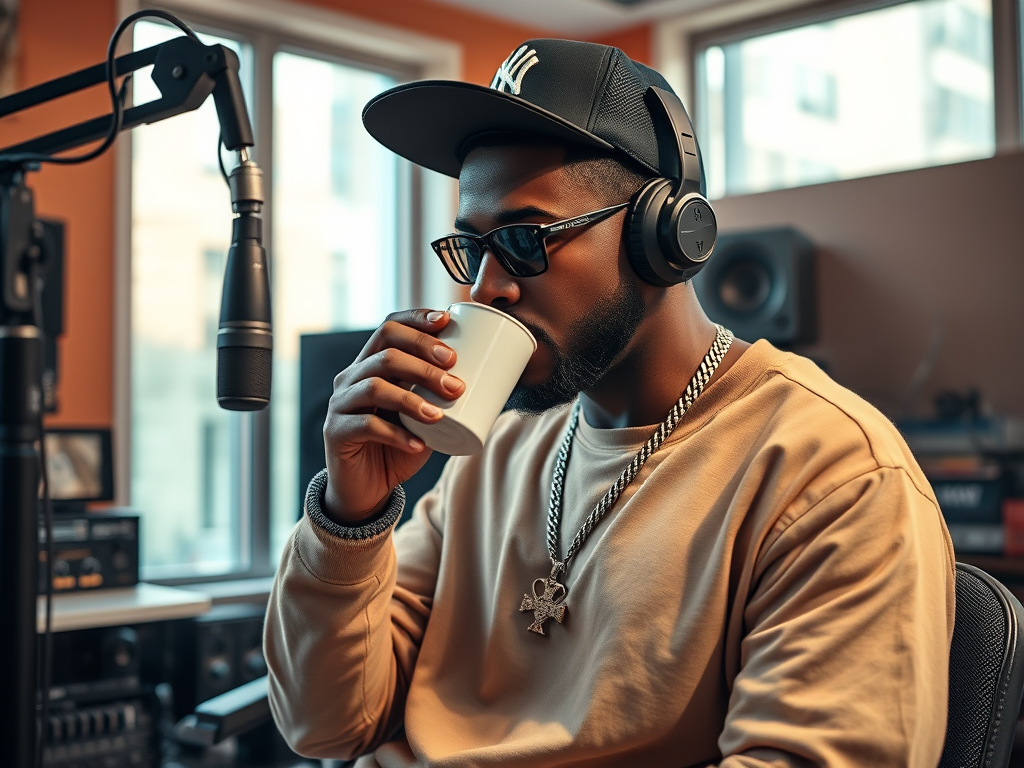
Pusha T’s recently launched coffee brand Grindin’, named after a track from the 2022 Pharrell-produced debut album Lord Willin’, joins a crowded field of celebrity-backed coffee brands. While Grindin’ taps into nostalgia and fan loyalty, experts suggest that long-term success in the competitive specialty coffee sector hinges on more than celebrity status. Product quality, innovation, and strong business practices are essential to stand out in this saturated market.
Sustainability and consumer trends
A key factor separating fleeting trends from enduring ventures in the celebrity coffee space is a commitment to sustainability and social responsibility.
Hugh Jackman’s Laughing Man Coffee, founded in 2011, exemplifies this approach. Inspired by meeting an Ethiopian coffee farmer through his work with World Vision Australia, Jackman created a company focused on fair trade practices. The brand also donates profits to its foundation, supporting educational programs in farming regions worldwide, showcasing its dedication to ethical responsibility beyond just premium products.
Similarly, Emma Chamberlain’s Chamberlain Coffee, launched in 2019, has carved out a niche by embracing sustainability. The brand emphasizes organic ingredients and eco-friendly packaging, including compostable bags. This focus on environmental and ethical practices appeals to younger, eco-conscious consumers—a growing demographic within the coffee market.
The rise of sustainability-focused consumers provides both challenges and opportunities for celebrity coffee brands. According to a Nielsen report, 66% of global consumers are willing to pay more for products from companies committed to positive environmental impact. This trend has only intensified among Millennials and Gen Z, whose purchasing habits reflect values like environmental stewardship and ethical labor practices.
Brands that engage authentically with these ethical concerns are more likely to build long-term customer loyalty. While celebrity-backed ventures enjoy initial attention, their ability to thrive depends on integrating sustainability into their core business models.
Trendiness vs. long-term viability
The line between trendiness and sustainability in the celebrity coffee world remains blurred. While celebrity influence can generate attention and short-term sales, long-term viability in the specialty coffee sector requires meaningful commitments to transparency, ethical practices, and eco-conscious operations. Aligning authentically with consumer values is critical to standing out in this competitive landscape.
Several celebrity collaborations highlight this dynamic. The Weeknd’s partnership with Blue Bottle Coffee demonstrates how a celebrity’s influence can merge with a brand’s established reputation for quality and sustainability. In 2023, The Weeknd launched a limited-edition coffee blend, Samra Origins, inspired by his Ethiopian heritage. The blend not only leveraged The Weeknd’s global appeal but also highlighted Blue Bottle’s focus on high-quality single-origin coffee and direct trade relationships with farmers.
Similarly, George Clooney’s long-standing partnership with Nespresso showcases how celebrity involvement can elevate a brand’s identity. Clooney, a vocal advocate for sustainability, has used his influence to push Nespresso toward ethical practices, such as committing to aluminum recycling and increasing farmer support through the Nespresso AAA Sustainable Quality Program. While the partnership has faced criticism over greenwashing concerns, Clooney’s active role in advocating for sustainability lends credibility to the collaboration.
Brad Pitt’s recent partnership with DeLonghi takes a slightly different approach by emphasizing luxury and craftsmanship. Pitt serves as the face of DeLonghi’s espresso machines, blending his Hollywood persona with the brand’s premium image. While the collaboration does not heavily focus on sustainability, it leverages Pitt’s sophisticated appeal to reinforce DeLonghi’s positioning in the high-end coffee equipment market.
These examples illustrate how celebrity collaborations can take various forms—from product development to brand ambassadorship. However, their success ultimately depends on authenticity and alignment with consumer values. While partnerships like Clooney’s with Nespresso or The Weeknd’s with Blue Bottle demonstrate a deeper commitment to sustainability and cultural resonance, others risk being perceived as superficial if they fail to address growing demands for ethical and environmental responsibility.
Celebrity-backed coffee brands hold the potential to bridge the gap between mainstream and specialty coffee, introducing new consumers to high-quality products or ethical practices they might not otherwise encounter. By leveraging their influence, celebrities can amplify important causes like sustainability, fair trade, or cultural storytelling, driving meaningful conversations within the industry.
However, this visibility also amplifies scrutiny. Brands that fail to deliver on their promises or rely solely on star power risk alienating discerning consumers, especially as transparency and authenticity become non-negotiable for modern buyers. The challenge lies in balancing the allure of fame with genuine substance and impact.
For celebrity coffee brands and collaborations to move beyond trendiness, they must integrate lasting value into their products and practices. Only through meaningful contributions to the specialty coffee space—whether through sustainability, cultural storytelling, or premium innovation—can they establish themselves as enduring players in an increasingly competitive and conscious marketplace.

 Coffee Digest