

Starbucks, the global coffee giant, is embarking on a significant strategy shift under its new CEO, Laxman Narasimhan, to combat declining sales and reinvigorate customer loyalty. As shifting consumer habits and growing competition reshape the coffee market, Narasimhan has signaled a new era of innovation and customer-focused strategies for the brand.
The company has announced changes aimed at enhancing the café experience while addressing evolving consumer preferences. These include sustainability efforts, menu innovation, and expanding digital tools like mobile ordering and loyalty programs. Starbucks is also investing in employee training and well-being, recognizing that barista satisfaction directly impacts the customer experience.
However, challenges persist. Starbucks faces growing competition from local and specialty brands offering niche options. Balancing its legacy with modern demands will be critical to regaining consumer trust and boosting sales. But will these strategies be enough to restore Starbucks’ dominance in an increasingly competitive market?
A return to café culture
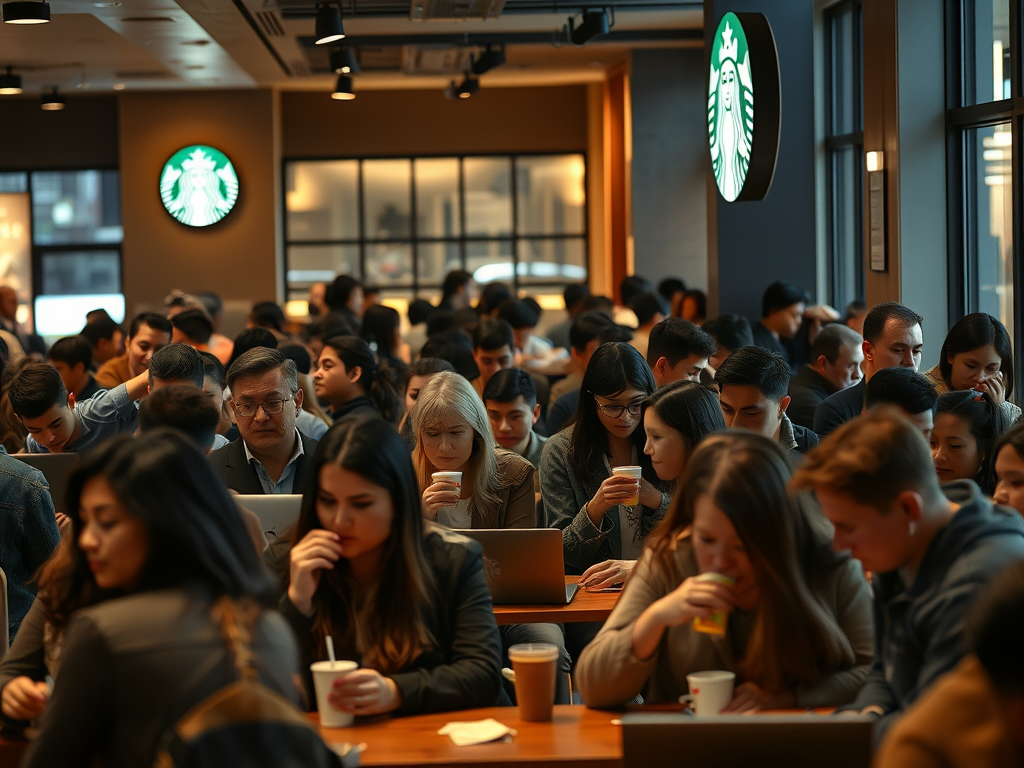
One of the cornerstones of Starbucks’ renewed approach is its focus on reintroducing elements that emphasize comfort and personalization—traits that contributed significantly to its early success. This includes offering self-serve kiosks, ceramic mugs for in-store customers, and more comfortable seating arrangements designed to make the cafés more inviting.
Former CEO Howard Schultz highlighted the importance of the company’s foundational values in a letter to senior leadership: “As I step away, I leave you all as the stewards, in service of all of our partners. They are the heart and soul of our company – the living embodiment of human connection.” This move underscores a return to what many consider Starbucks’ roots: creating spaces where customers are encouraged to spend time rather than simply pick up their orders and leave.
This initiative aligns with a broader trend in the foodservice industry toward experiential dining. According to Forbes, “Consumers are seeking out experiences over products.” By enriching the in-store environment with enhanced seating options and reusable drinkware, Starbucks seeks to encourage longer customer visits and, ultimately, higher spending per patron.
Simplifying the menu
Another key component of Starbucks’ revamped strategy is menu simplification. Over time, the company’s offerings have expanded significantly, which some critics argue has led to operational inefficiencies and an overwhelming experience for both staff and consumers. In response, Narasimhan’s team aims to streamline operations by reducing complexity across its product lines.
The move toward a more concise menu could enhance both service speed and efficiency – areas where competitors, such as Dunkin’, have recently excelled, largely due to more straightforward menus. Streamlining offerings may reduce wait times and improve the overall customer experience, addressing a long-standing criticism about Starbucks’ slower service.
However, there remains some concern that cutting menu items could alienate loyal customers, particularly those who value the brand for its wide variety. As Bernstein Research Group analyst Sara Senatore noted in an interview with CNBC, “While streamlining may improve efficiency, it risks alienating loyal customers who appreciate variety”.
Addressing affordability and inclusivity
In a bid to make its offerings more affordable and inclusive, Starbucks has announced one of its most daring moves under Narasimhan’s leadership: the elimination of upcharges for non-dairy milk alternatives across its North American locations. This policy change is designed to cater to growing demand among health-conscious consumers and those following plant-based diets.
Notably, the global market for plant-based foods saw 41% growth year-over-year, and saw a large upturn in general for plant based milks for coffee-related beverages. By removing extra fees tied to almond, oat, coconut, and other non-dairy milk variants, Starbucks is aiming to tap into the expanding demographic of environmentally and health-conscious consumers.
This strategic shift comes at a critical time, as inflationary pressures continue to affect discretionary spending worldwide. According to a recent McKinsey report, rising costs are influencing consumer behavior, with affordability becoming increasingly important. For Starbucks, eliminating these upcharges provides an opportunity to attract a more price-sensitive audience without compromising on inclusivity or diluting its premium positioning.

Focus on digital integration
Starbucks continues its push for digital integration, recognizing the ever-growing importance of mobile ordering and delivery services, especially in the post-pandemic era. Digital channels have become a notable revenue stream for the company, contributing to 26% of U.S. transactions during fiscal Q3 of 2022; In the third quarter of fiscal 2023, Starbucks reported that 45% of U.S. company-operated sales were driven by active Starbucks Rewards members, reflecting a 15% increase in membership to 31.4 million.
Building on this momentum, Starbucks plans to enhance its app functionality and loyalty program. By refining the mobile platform and incorporating personalized rewards, Starbucks hopes to drive greater engagement and build long-term customer loyalty. Competitors such as McDonald’s have seen success in a similar vein, leveraging their app to incentivize frequent purchases through tailored deals.
Furthermore, Starbucks aims to integrate more AI-driven functionalities into its digital platform, allowing for real-time recommendations based on consumer preferences and purchasing history. This tech-centric approach not only personalizes the customer journey but also optimizes operational efficiencies by predicting peak times and demand patterns.
Expanding environmental initiatives
Starbucks’ updated strategies are not solely focused on enhancing customer experience; they also underscore the company’s commitment to environmental sustainability. Building on its pledge to become resource-positive, Starbucks is expanding its use of reusable cups and ramping up recycling initiatives throughout its global network.
The company’s “Borrow A Cup” program—which allows customers to borrow a reusable cup for dine-in or takeout—is being expanded to multiple U.S. markets. This initiative reflects Starbucks’ continued prioritization of sustainability, aligning with growing consumer concerns over single-use plastics. As of November 2024, Starbucks’ “Borrow A Cup” program is active in select locations across various regions, including parts of the United States and Singapore. However, Starbucks has not publicly disclosed the exact number of stores currently participating in the program.
Additionally, Starbucks has set an ambitious target to cut its carbon, water, and waste footprints by 50% by 2030, signaling its focus on long-term sustainability goals. These ongoing efforts could resonate with environmentally-conscious consumers and further differentiate the brand in an increasingly eco-aware marketplace.
Starbucks’ ambitious initiatives demonstrate a clear recognition of the challenges posed by shifting consumer preferences, increasing competition, and rising economic pressures. From simplifying menus to enhancing digital integration and promoting sustainability, the company is addressing core issues that have impacted its operations and customer loyalty in recent years. However, the effectiveness of these changes remains to be seen.
Success will depend on Starbucks’ ability to strike a balance between innovation and preserving the brand identity that first made it a global powerhouse. If the company can deliver on its promises—providing greater convenience, affordability, and environmental responsibility without compromising its premium image—it may well see a resurgence in customer loyalty and sales. But with competition intensifying, the path forward will require constant adaptation and a clear focus on staying connected to its customers’ evolving needs. Only time will tell if these strategies will be enough to secure Starbucks’ place at the forefront of the coffee industry.

 Coffee Digest