
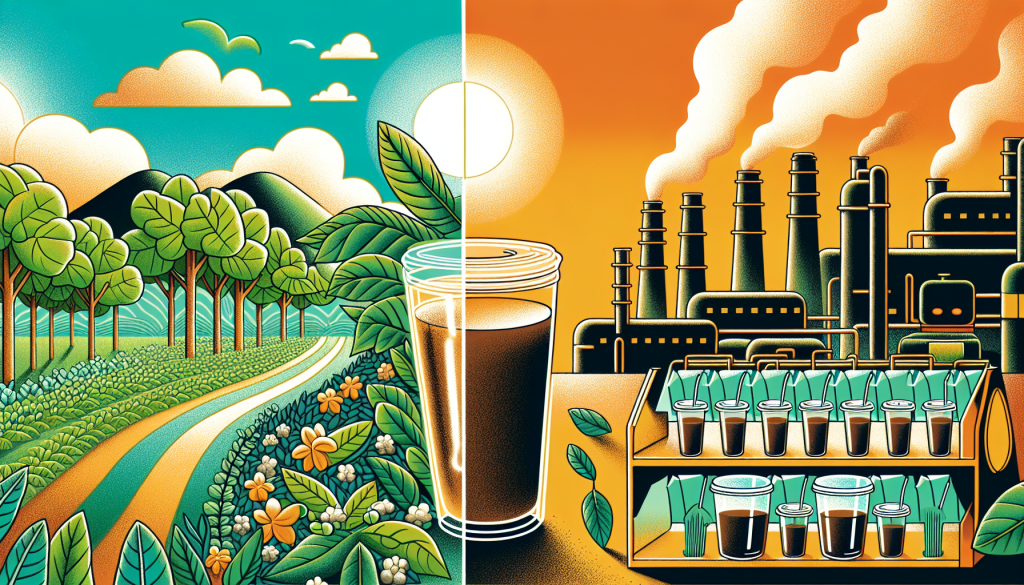
Cold brew coffee and ready-to-drink (RTD) beverages have seen a surge in popularity over the last decade, providing consumers with a convenient way to get their caffeine fix. However, as these products become more integrated into mainstream consumption, concerns about their environmental impact are growing. From single-use packaging to resource-heavy production processes, cold brew and RTD coffee may carry hidden ecological costs that challenge their appeal as sustainable choices.
The environmental cost of convenience
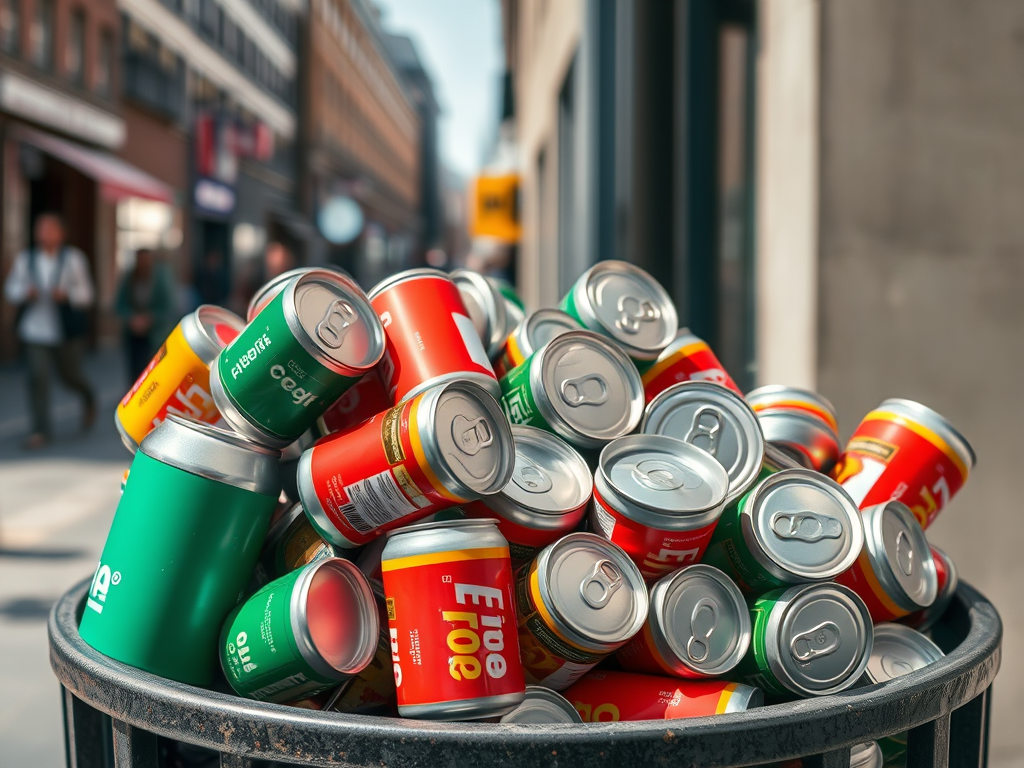
The convenience of grabbing a bottled cold brew or RTD coffee comes at an environmental price. Single-use plastic bottles and aluminum cans dominate packaging for these products, contributing significantly to waste streams worldwide. According to Planet Ark, approximately 91% of all plastic produced is not recycled, meaning that most plastic bottles end up in landfills or oceans, adding to long-term environmental harm.
Although aluminum cans have a higher recycling rate, the production of new aluminum remains energy-intensive. A report by TRVST shows that manufacturing aluminum from raw materials emits substantial CO₂ and demands considerable energy. However, recycling aluminum can save up to 95% of the energy needed for primary production, making it a better alternative to plastic when recycling is managed effectively.
Additionally, cold brew coffee production itself demands more resources than traditional hot-brewed coffee. Cold brew requires a 12-24 hour steeping period, which increases both water usage and energy consumption, especially for refrigeration. According to ITS O Coffee, cold brew typically uses double the coffee grounds per serving compared to regular drip coffee, elevating the demand for coffee beans and intensifying the carbon footprint associated with coffee cultivation.

Packaging waste and recycling challenges
Single-use packaging for cold brew and RTD coffee remains a significant contributor to global plastic pollution. Recycling systems worldwide struggle to process most plastic packaging, and the U.S. Environmental Protection Agency (EPA) reports that only 8.7% of plastic waste is actually recycled each year, with the remainder contributing to landfill overflow and environmental degradation. Bottling coffee in plastic raises the demand for virgin plastic, derived from fossil fuels, which further depletes environmental resources.
Aluminum cans offer a more recyclable alternative, but challenges remain. Discarded cans that are not recycled properly contribute to landfill waste. While recycling aluminum is significantly more energy-efficient than producing new aluminum, achieving consistent recycling rates remains a challenge. According to The Aluminum Association, recycling aluminum saves about 95% of the energy required for primary production, although collection and processing rates vary across different regions.
Some companies are also experimenting with biodegradable and compostable plastics to reduce the waste associated with single-use containers. However, these alternatives require specific composting facilities to break down effectively, limiting their environmental benefits if not handled properly. As a result, reusable packaging solutions and consumer initiatives, such as bring-your-own-bottle programs, are increasingly being considered as viable options for sustainable beverage consumption.
Sustainability initiatives and innovations
In response to these environmental concerns, some companies have adopted measures to reduce their ecological footprint. Tim Hortons, for example, has piloted plant-based cups made from renewable bamboo fiber, aiming to minimize packaging waste in its cold brew and iced drinks. This move highlights the coffee industry’s shift toward eco-friendly packaging and biodegradable alternatives, though adoption across brands remains limited.
Rise Brewing Co. promotes its nitro-infused canned coffees in recyclable aluminum while emphasizing carbon-neutral shipping options. By partnering with logistics firms dedicated to reducing transportation emissions, Rise demonstrates that companies can innovate to achieve both convenience and sustainability without compromising quality. Larger corporations could look to such initiatives as models to balance convenience and environmental responsibility more effectively.
Reusable bottle programs are also gaining popularity, particularly in urban areas where zero-waste concepts are being integrated into the coffee scene. Many cafes now offer refill stations for customers who bring their own containers, an option that reduces single-use packaging and appeals to environmentally conscious consumers. These programs provide a sustainable alternative, allowing consumers to enjoy their favorite drinks without contributing to packaging waste.

Cold brew’s energy and water footprint
Cold brew coffee production involves an often-overlooked energy and water footprint. Traditional hot brewing methods require short, high-temperature brews, typically taking just a few minutes. Cold brewing, however, demands extended steeping times (often 12-24 hours) at cooler temperatures, which increases refrigeration energy costs and overall water usage.
Additionally, because cold brew uses more coffee grounds per serving, greater agricultural resources, including water and fertilizers, are necessary to meet the increased demand for beans. As reported by the Water Footprint Network, producing a single cup of coffee requires approximately 140 liters of water when considering irrigation, processing, and packaging, intensifying the strain on water resources in coffee-growing regions. Rising consumer demand for cold brew exacerbates this pressure, particularly in areas already affected by drought or other environmental stressors.
Environmental organizations, including Conservation International, have raised concerns about the growing water and resource needs associated with coffee production, which are now compounded by cold brew’s popularity. Sustainable coffee farming practices and efficient water use techniques are becoming critical for maintaining the viability of coffee agriculture in water-scarce regions.
Assessing the true environmental cost
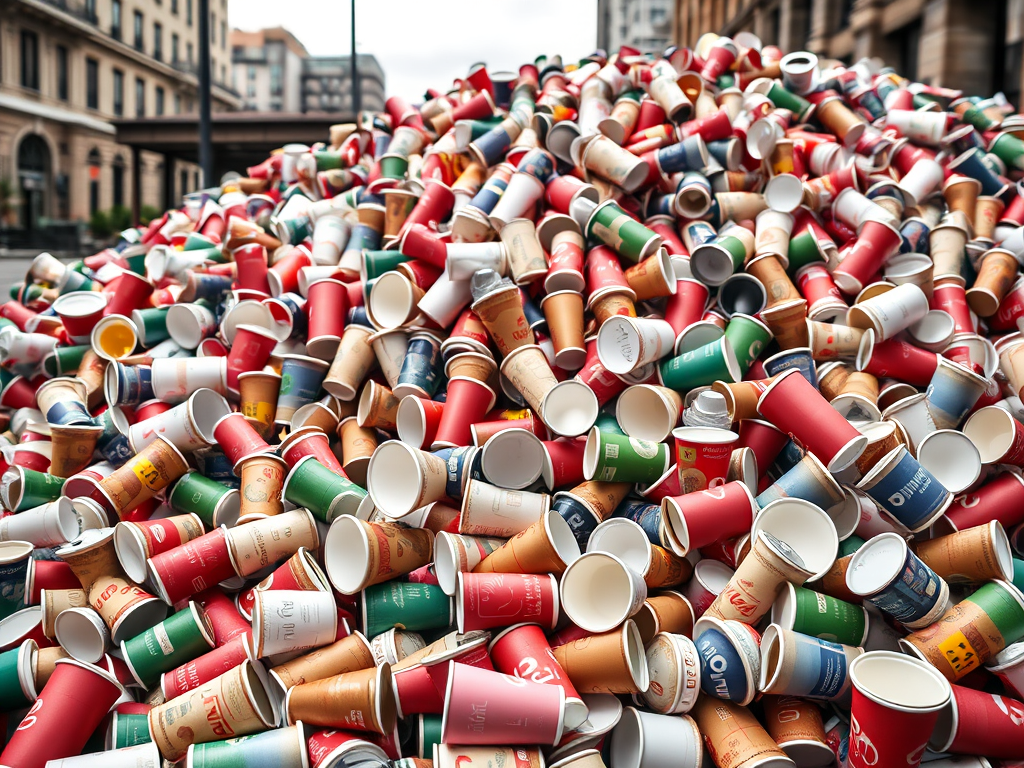
As cold brew and RTD coffee options grow in popularity, it’s essential to consider their hidden environmental costs. Although these beverages offer the convenience that many consumers seek, they also bring significant ecological consequences, from packaging waste and limited recycling options to resource-intensive production processes. Single-use plastics and aluminum cans, while convenient, pose sustainability challenges that the coffee industry has yet to fully address. Additionally, the substantial energy and water demands of cold brewing add to the environmental burden, raising questions about the actual sustainability of these products.
To align cold brew and RTD coffee with environmentally conscious practices, industry stakeholders must prioritize eco-friendly packaging, efficient brewing techniques, and sustainable sourcing practices. Some companies are already taking steps in this direction, but broader industry adoption is essential to ensure meaningful impact. Consumers, too, play a role in supporting sustainable brands, opting for reusable containers, and seeking out coffee companies committed to reducing their ecological footprint.
Ultimately, balancing the appeal of convenience with the need for environmental responsibility requires commitment from both companies and consumers. By innovating within production and packaging practices, the coffee industry can work towards a sustainable future, allowing consumers to enjoy their favorite beverages without compromising the planet’s resources. Achieving this balance will be essential as the coffee market continues to expand, meeting demand while safeguarding the environment for generations to come.




 Coffee Digest