

In recent years, the specialty coffee industry has undergone a remarkable shift, with Asian coffee origins gaining unprecedented recognition and popularity. Traditionally, the coffee sector has been dominated by African and Latin American countries, with names like Ethiopia, Colombia, and Brazil long synonymous with high-quality arabica. However, countries such as Thailand, Vietnam, China, and Indonesia are now emerging as key players, introducing not only exceptional beans but also innovative processing methods that are reshaping the global specialty coffee landscape.
These nations are focusing on producing high-quality arabica and, in some cases, redefining what robusta can offer in the specialty segment. They are also leveraging unique climatic and geographical advantages, including high-altitude farms and diverse microclimates, to create distinct and sought-after flavor profiles. The impact of these changes is being felt worldwide, as Asian-grown coffees increasingly make their way into cafes, international coffee competitions, and even the reserve menus of some of the world’s most renowned coffeehouses. But what is driving this shift, and how are Asian coffee origins influencing specialty coffee trends globally?
The emerging focus on Asian coffee origins
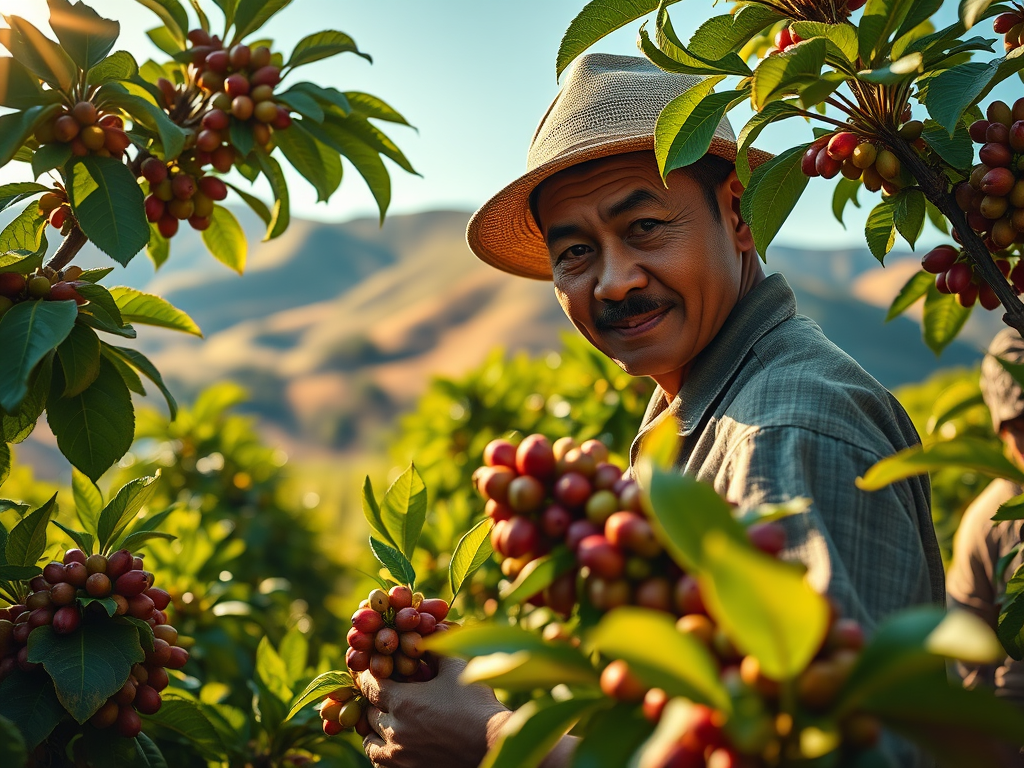
Historically, Asia’s role in the global coffee market has been primarily tied to robusta production, with Vietnam being the most significant player. Vietnam is the world’s largest producer of robusta, accounting for more than 96% of its coffee output. However, the specialty coffee movement has motivated Vietnamese farmers to diversify their offerings and elevate their production standards. As a result, many producers are now cultivating high-quality arabica beans and adopting advanced methods to enhance flavor profiles, positioning Vietnam as a rising star in the specialty sector.
Thailand, known primarily for its tea cultivation and low-quality coffee in the past, has also shifted focus. High-altitude regions like Chiang Mai and Doi Chang are now recognized for their specialty arabica production. The cultivation of rare varieties such as Gesha, which originated in Ethiopia, has further put Thailand on the map. Thai coffee producers are leveraging these varieties to compete in international markets, as confirmed by experts in the region.
Innovative coffee processing methods
One of the most significant factors driving the interest in Asian-origin specialty coffees is the adoption of innovative processing techniques aimed at improving quality and consistency. In Vietnam, anaerobic fermentation has become a popular method among specialty producers. This technique, which involves fermenting coffee cherries in oxygen-free environments, allows for precise control over microbial activity, resulting in complex and unique flavor profiles. Vietnamese coffees processed using this method often exhibit flavors ranging from tropical fruits to exotic florals, attracting attention from international traders and retailers
Thailand is similarly pushing the boundaries of coffee processing. In Doi Chang and other high-altitude regions, farmers are combining traditional methods, such as sun-drying, with newer, locally adapted techniques that maximize the impact of their unique growing conditions. High-altitude Thai coffee farms often process Gesha beans using natural drying methods to maintain and highlight their distinctive flavor profiles. These innovative approaches have positioned Thailand as a formidable competitor in the global market, with its coffees now being featured in coffee competitions such as the U.S. Brewers Cup Championship.
Asian coffees in competitions and specialty menus
The rise of Asian coffee origins is further underscored by their increasing presence in global coffee competitions, which have become key platforms for showcasing specialty coffee innovations. Competitors from Thailand and Vietnam have gained international acclaim for their use of locally sourced beans and innovative processing techniques. For example, Thai barista champions have highlighted the quality of locally grown varieties, some of which have since been featured on reserve menus and limited-edition releases in cafes around the world.
These competitions not only boost the visibility of Asian coffees but also influence global coffee trends. By incorporating Asian-grown beans into their routines, baristas and roasters introduce consumers to new flavor profiles and rare coffee lots, sparking interest and demand. Specialty cafes are responding by creating “reserve menus” that focus on showcasing exclusive and high-scoring coffee varieties from these regions, reinforcing the perception of Asian coffees as premium products.

Market demand for Asian-grown specialty coffees
The Asia-Pacific region is poised to become the world’s fastest-growing specialty coffee market, with an expected annual growth rate of more than 15% in consumption between now and 2030. This growth is not only driven by rising domestic demand but also by increasing exports of Asian-grown specialty coffee. Many Asian, coffee-growing countries are expanding their global reach, exporting high-quality beans to major coffee-consuming markets such as the United States and Europe. As these regions continue to develop their infrastructure and invest in sustainable practices, exports are projected to increase significantly over the next decade, solidifying Asia’s role in the global specialty coffee landscape.
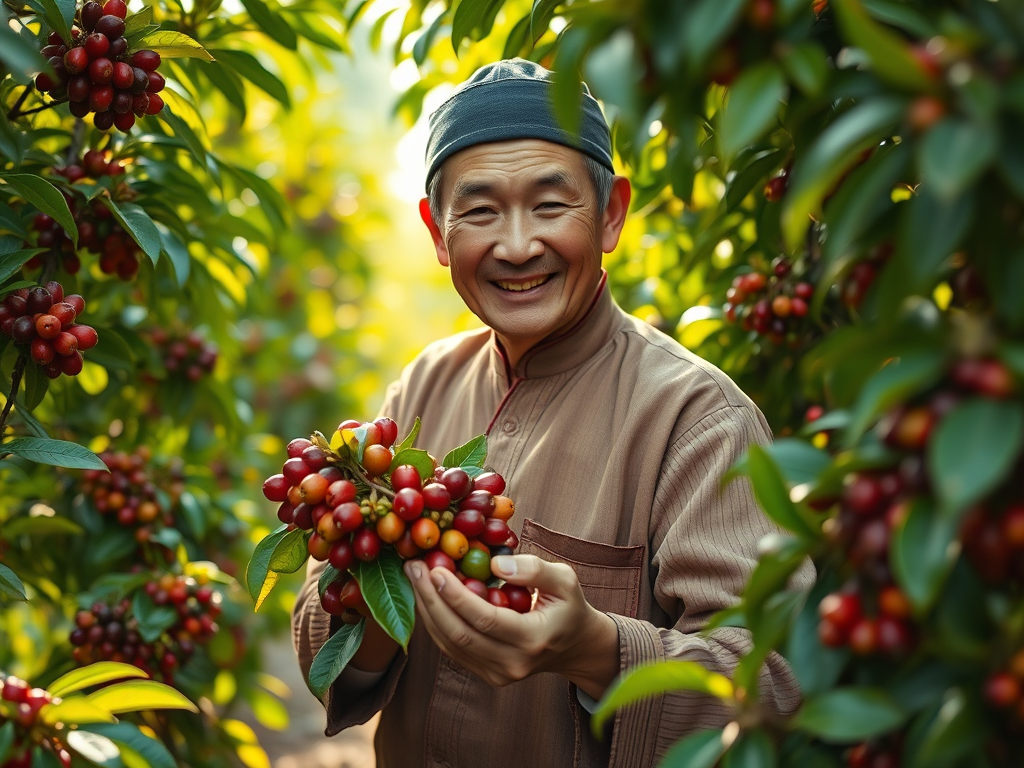
The rising demand for Asian specialty coffees also reflects global shifts toward sustainability, transparency, and direct trade practices. Asian producers, particularly in China’s Yunnan province, are adopting eco-friendly farming practices to meet these demands. Chinese coffee growers focus on arabica production, gaining a foothold in the international market with their sustainable and traceable practices. This trend is helping China emerge as a niche player in the specialty coffee scene.
Asian-grown specialty coffee is rapidly gaining momentum as these regions leverage their distinct terroirs, diverse microclimates, and innovative farming practices to produce high-quality beans that stand out on the global market. Countries like Thailand, Vietnam, and China are investing in sustainable and eco-friendly cultivation methods, particularly in high-altitude regions such as Yunnan, which is gaining international recognition for its specialty arabica beans. By emphasizing transparency and direct trade relationships, Asian producers are tapping into the increasing global demand for traceable and ethically sourced coffee.
The diversity of flavors found in Asian coffees further enhances their appeal. From the floral and citrus notes of Thai and Chinese varieties to the nutty and earthy profiles typical of Vietnamese offerings, Asian-grown specialty coffee provides a wide range of unique taste experiences. These flavor profiles not only differentiate them from traditional African and Latin American origins but also attract consumers seeking new and distinctive coffee options, helping Asia solidify its niche in the specialty coffee sector.
Challenges and opportunities
Despite their rising popularity, Asian coffee producers face challenges in fully integrating their products into the global specialty market. Infrastructure limitations and the need for advanced processing technology are common hurdles, particularly in countries like Vietnam. While the country is increasingly recognized for its specialty coffee, many producers still lack access to modern facilities necessary for consistent quality control and advanced processing techniques. This issue underscores the need for investment and support from international coffee organizations to help build sustainable infrastructure that can support growth in these emerging markets
On the other hand, the opportunities are vast. With support from international cooperation programs and a growing focus on specialty varieties such as arabica and fine robusta, Asian producers have a significant potential to expand their influence. Investments in sustainable farming practices, direct trade relationships, and consumer education initiatives are helping these countries build strong foundations in the specialty coffee sector. For example, Vietnamese coffee farms are increasingly participating in workshops and competitions that showcase their beans to a global audience, gradually shifting consumer perception and boosting demand for their high-quality products
The specialty coffee landscape is diversifying as Asian coffee origins gain recognition and reshape global trends. By embracing both innovation and tradition, countries like Thailand, Vietnam, China, and Indonesia are demonstrating their capacity to produce world-class specialty coffees that rival those from more established regions. With a focus on quality, sustainability, and traceability, these nations are not only redefining industry standards but also creating new opportunities for growth and collaboration within the global coffee market. As Asian-grown coffees continue to gain traction in international competitions and specialty menus, they are poised to play an increasingly influential role in shaping the future of specialty coffee.




 Coffee Digest