
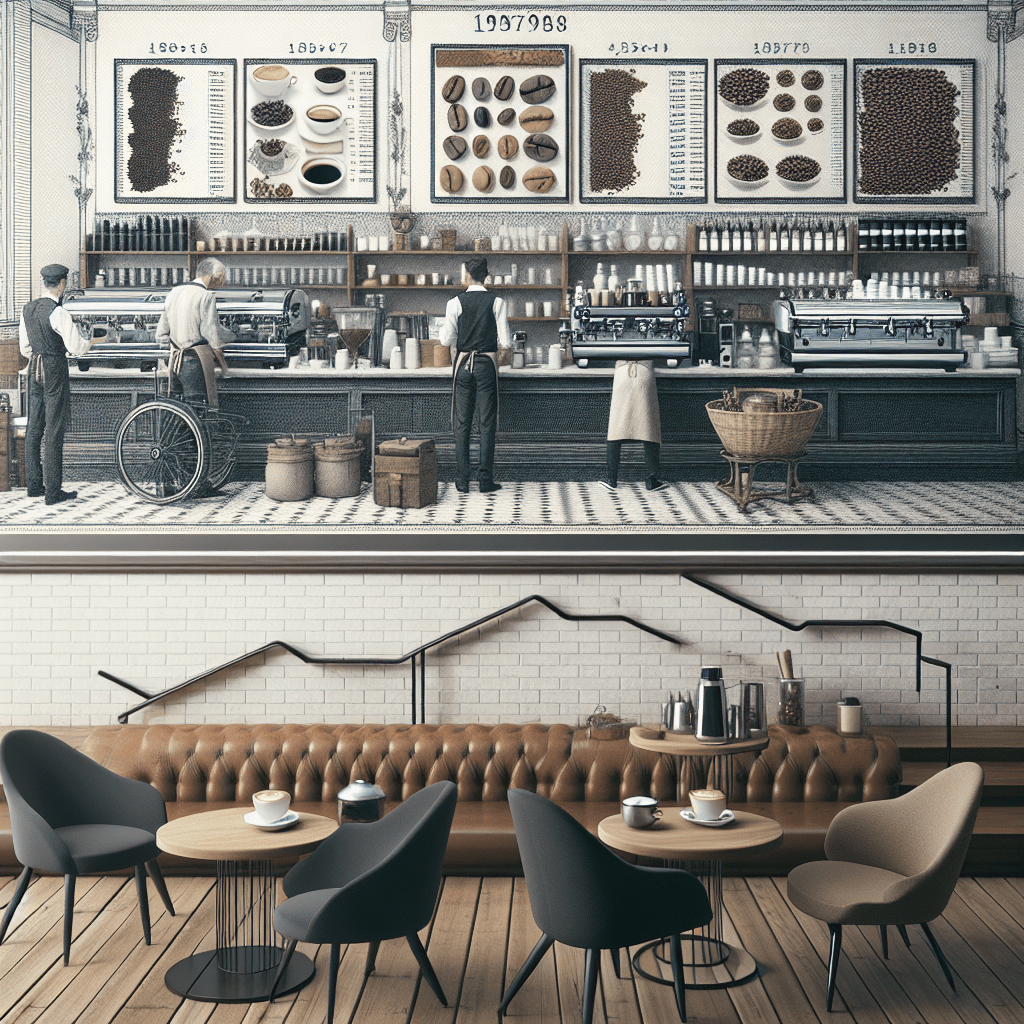
Coffee shops have long been integral to social life, offering places to relax, work, and connect with others. Over the last century, these establishments have evolved significantly, transforming from simple vendors of black coffee into hubs for artisanal beverages and culinary experimentation. The evolution of coffee shop menus mirrors broader societal changes, shaped by technological advancements, shifting consumer tastes, and the specialty coffee movement.
From basic brews to complex flavor profiles and sustainability-focused offerings, coffee shop menus today are varied and sophisticated. But how did we get here, and what trends have driven these changes?
From early days to mid-century innovation: The rise of espresso machines
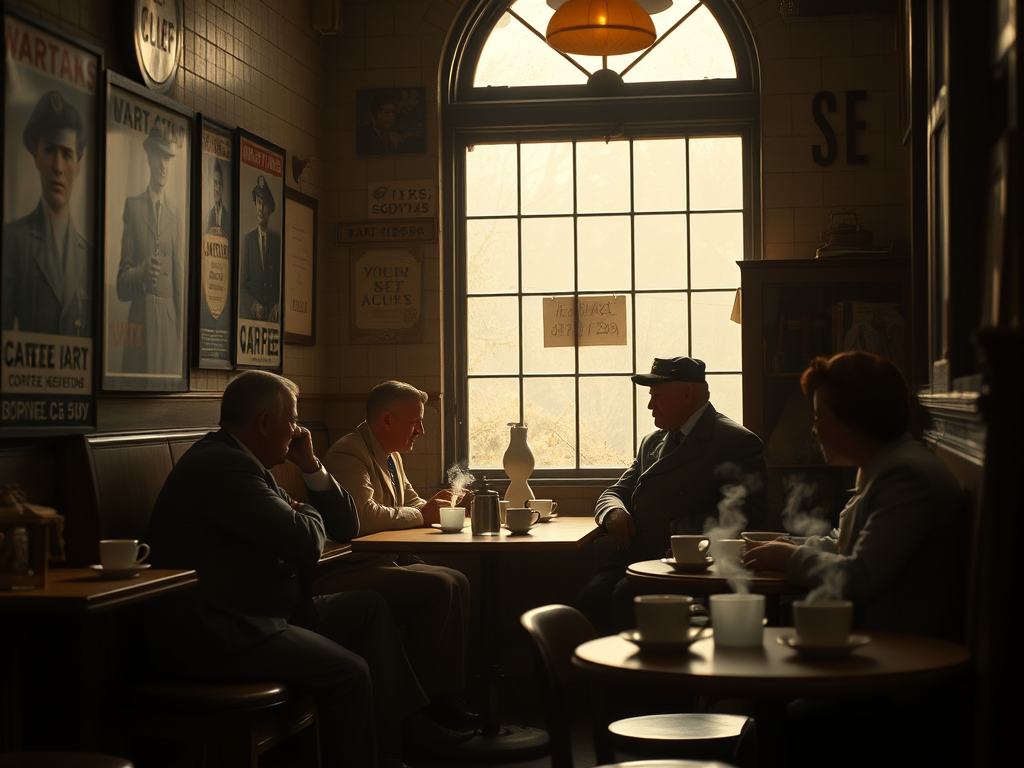
In the early 20th century, coffee shop menus were straightforward, often featuring drip-brewed or percolated coffee served with simple add-ins like cream and sugar. Espresso-based drinks were virtually unknown outside of Italy until after World War II. American soldiers stationed in Europe developed a taste for espresso, bringing this preference back home and planting the seeds for espresso culture in the United States. According to Jonathan Morris, author of Coffee: A Global History, “Before the mid-20th century, most Americans drank weakly brewed filter coffee,” primarily because espresso machines had not yet become mainstream in American cafes.
The introduction of espresso machines in the mid-20th century transformed coffee culture significantly. Achille Gaggia’s lever-operated model, patented in the 1940s, allowed baristas to create crema-topped espressos that were previously unattainable. This innovation was a pivotal moment, making espresso drinks popular not just in Italy but eventually across Europe and the U.S. By the 1950s, Gaggia machines became iconic in bars and coffee shops, contributing to a broader acceptance and enthusiasm for espresso-based beverages
As urbanization increased, companies like Starbucks capitalized on this trend, expanding their menus and making espresso drinks accessible across the United States. The influence of chains like these helped diversify coffee shop menus, integrating options like cappuccinos and lattes into mainstream coffee culture.
The Third Wave coffee movement and specialty trends
In the 1990s, the Third Wave coffee movement emerged, shifting the industry’s focus to high-quality, ethically sourced beans and sustainability. Specialty coffee shops began promoting single-origin varieties, which allowed consumers to appreciate the unique flavors tied to specific regions. Independent roasters emphasized transparency and traceability in their supply chains, highlighting how terroir, altitude, and soil composition influence flavor
Prominent coffee industry figures like James Hoffmann have championed this approach, emphasizing that “specialty isn’t about exclusivity—it’s about celebrating diversity” (The Spruce Eats). This ethos inspired experimentation across the supply chain, with roasters and baristas refining methods to bring out each bean’s unique characteristics.
During this period, specialty varieties like Geisha coffee became highly sought after – originally from Ethiopia but cultivated with success in Panama, Geisha is prized for its delicate floral notes. Coffee competitions, such as the World Barista Championship and the World Brewers Cup, have played a significant role in popularizing such rare and exclusive lots, encouraging cafes to create “reserve menus” featuring these high-end, small-batch beans. These developments not only elevated coffee’s status but also introduced the concept of coffee as a luxury product with its own connoisseurship.
The growth of customization and dietary considerations
Modern coffee shop menus have become increasingly diverse, catering to a wide range of dietary needs and preferences. Non-dairy milk alternatives like almond, oat, soy, and coconut milk are now staples, appealing to lactose-intolerant and plant-based consumers. This shift reflects broader health-conscious trends, with many cafes also offering gluten-free, sugar-free, and organic options
Customization has become a hallmark of contemporary coffee culture, with patrons able to personalize everything from sweetness levels to milk types and serving temperatures. This flexibility not only meets the needs of diverse consumer preferences but also enhances the customer experience, turning coffee orders into bespoke creations.
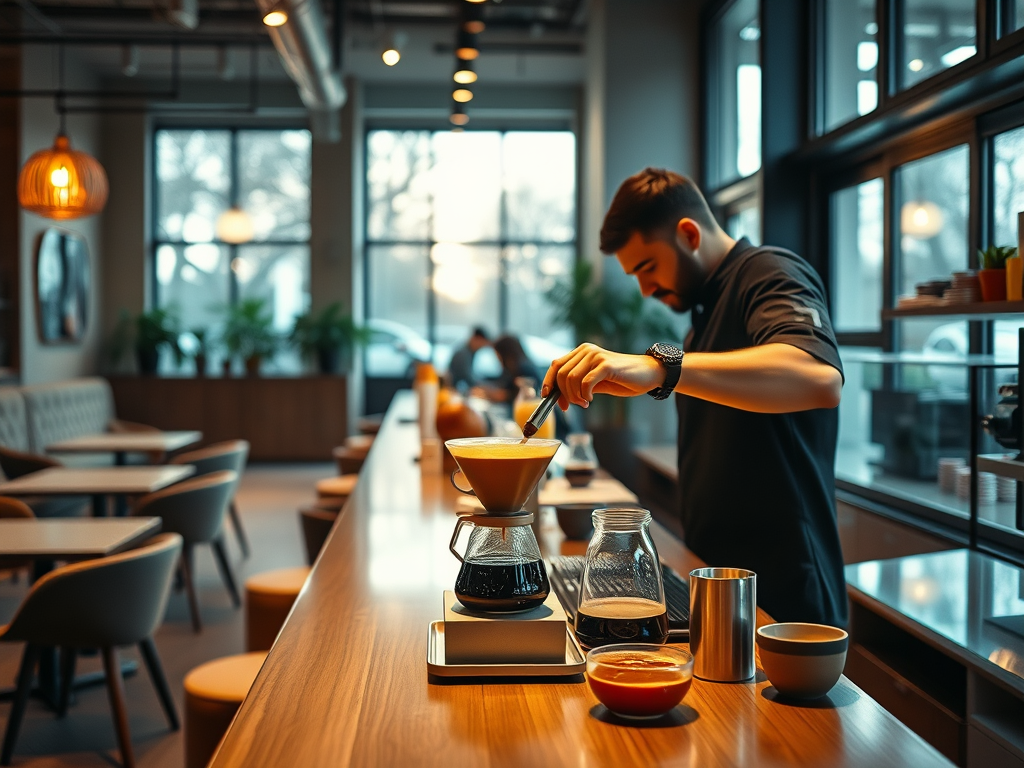
Additionally, customers can choose between different coffee roasts, such as light, medium, or dark, and specify their brewing method—ranging from pour-over and French press to AeroPress or cold brew. Temperature customization is also common, with iced versions and temperature control options for hot drinks to cater to individual preferences. This extensive flexibility not only meets the diverse needs of consumers but also enhances the experience, making coffee orders highly personalized and unique.
Sustainability and ethical sourcing
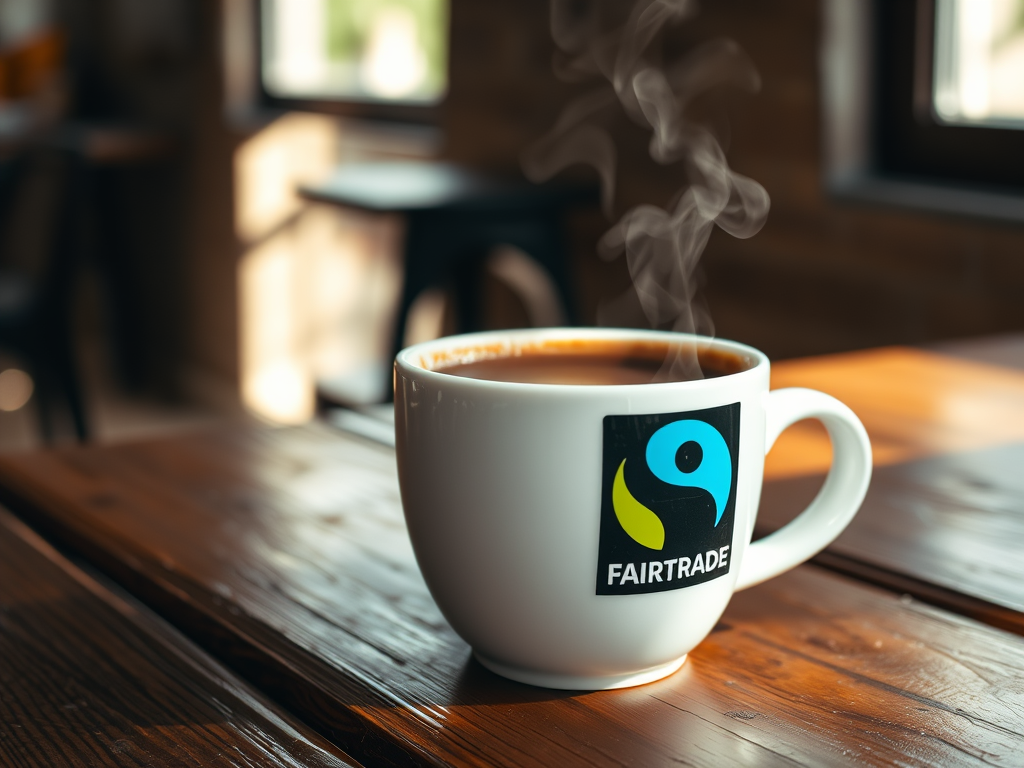
An increasing focus on sustainability has also influenced coffee shop menus. Many cafes and roasters now emphasize environmentally friendly practices, such as reducing waste, using compostable packaging, and engaging in direct trade with farmers to ensure fair prices and sustainable farming methods. Certifications like Rainforest Alliance and Fair Trade have become important markers for certain consumers who want to support ethical coffee production. The popularity of such certifications has led to tremendous growth – according to Fairtrade International, more than 800,000 small-scale producers across 31 countries participate in the Fairtrade system, highlighting the scale of these efforts.
The rise of organic coffee certification has paralleled the demand for more sustainable and health-conscious options. While organic certification promotes eco-friendly practices by avoiding synthetic chemicals, it also poses challenges for small-scale producers. Many farmers face significant financial and bureaucratic hurdles to meet these standards, leading to an uneven distribution of economic benefits. Despite consumer demand, the costs and complexity of obtaining certification mean that not all growers can capitalize on the premium prices associated with organic coffee.
The future: Tech-driven and experience-focused
As the coffee industry continues to evolve, technology remains a driving force in transforming customer experiences. Mobile apps, digital payment systems, and online ordering platforms streamline service, allowing consumers to order ahead, reduce wait times, and customize their preferences. Data-driven insights also enable coffee shops to personalize promotions and recommend beverages tailored to individual habits, enhancing customer loyalty and engagement.
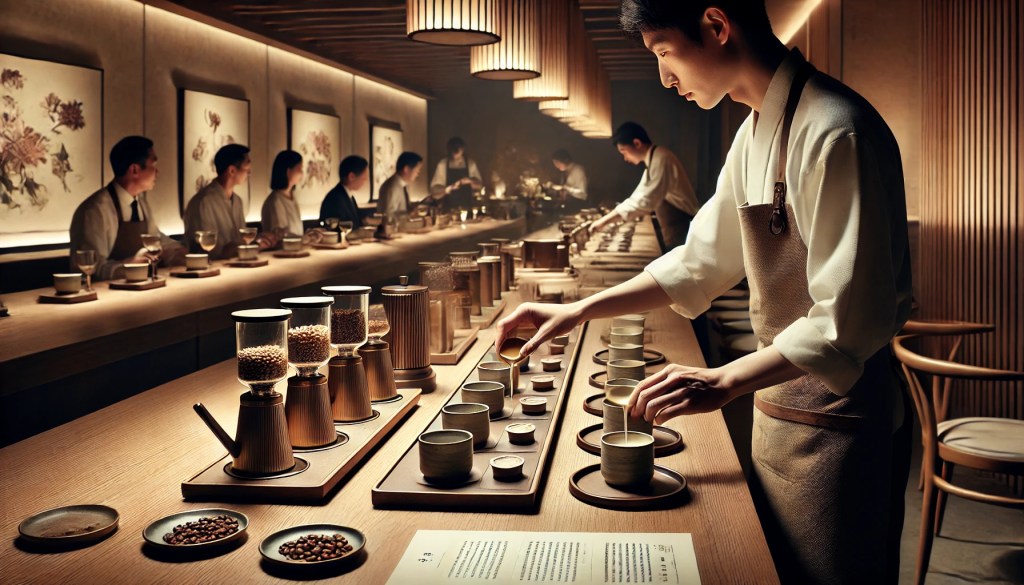
In addition to technological advancements, experiential elements are reshaping coffee culture. Pop-up cafes, barista-led workshops, and coffee tastings are increasingly popular, particularly in urban centers where consumers seek immersive, hands-on experiences. These initiatives go beyond serving coffee—they offer education and a deeper connection to the coffee-making process, reinforcing the idea that coffee is a lifestyle choice and a journey of discovery.
Looking forward, coffee shops will likely continue expanding their menus, blending classic and innovative options to meet both traditional preferences and emerging consumer demands. This adaptability highlights the industry’s responsiveness to evolving tastes, ensuring that coffee culture remains dynamic, inclusive, and diverse.

 Coffee Digest