
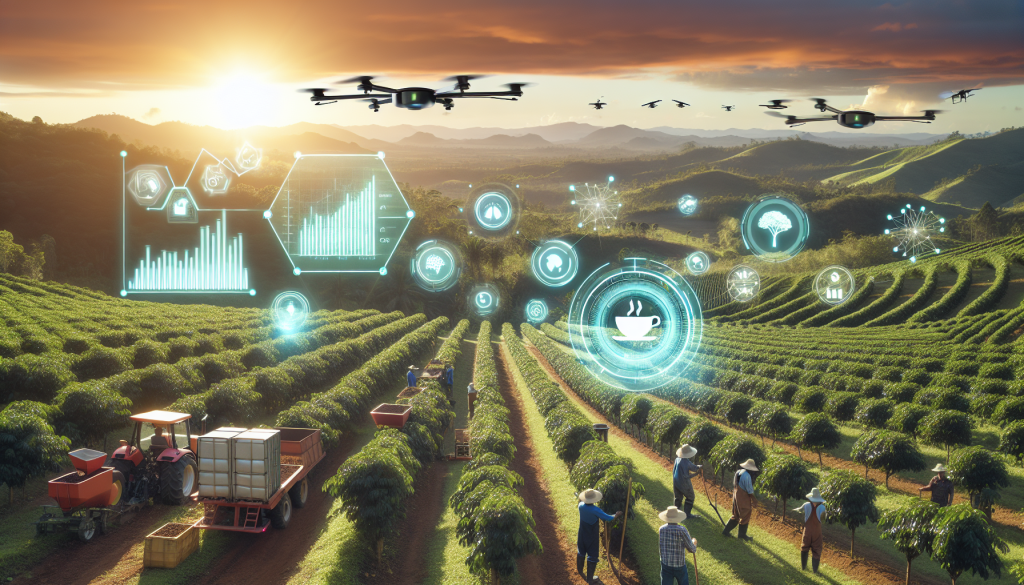
Artificial intelligence (AI) is reshaping industries, including agriculture, and its impact on coffee farming is substantial. The global coffee industry faces numerous challenges, such as climate change, unpredictable weather patterns, market fluctuations, and labor shortages. These obstacles require innovative solutions to ensure sustainable production and economic stability.
AI is emerging as a vital tool in this transformation, offering solutions like predictive analytics, real-time monitoring, and machine learning to not only optimize crop yields but also enhance the overall quality of coffee beans. By leveraging AI, coffee farmers can make data-driven decisions that minimize risks and maximize productivity, leading to a more efficient and resilient coffee sector.
The role of AI in agriculture
As of 2023, the global AI in agriculture market is valued at approximately USD 2.1 billion and is projected to grow at a compound annual growth rate (CAGR) of over 24% through 2032. This growth is driven by increasing demand for precision farming and sustainable practices to manage the impact of climate change on agriculture. The coffee industry, valued at over USD 100 billion annually, is particularly well-positioned to benefit from these technological advancements. Coffee farming has traditionally relied on labor-intensive practices, which are becoming less viable as labor shortages increase and environmental conditions become more unpredictable.
AI technologies, such as machine learning algorithms and computer vision, empower coffee farmers to make precise, data-driven decisions. Automated systems are capable of monitoring various factors like soil health, moisture levels, temperature, and pest activity, providing continuous data without the need for manual intervention. For example, sensors embedded in the soil can track nutrient levels, informing farmers when to apply fertilizers for optimal plant health. By reducing the guesswork involved in traditional farming methods, AI allows farmers to implement targeted interventions that lead to higher yields and better quality beans.
Precision agriculture, facilitated by AI, also utilizes satellite imagery combined with machine learning to analyze environmental variables, enabling farmers to allocate resources efficiently. For instance, smart irrigation systems in Brazil have reported up to a 30% reduction in water use while maintaining consistent crop yields over multiple years. These systems automatically adjust water levels based on real-time soil moisture data, demonstrating how AI can directly contribute to sustainability and conservation efforts.
Furthermore, AI is helping farmers in remote regions where access to agronomic expertise is limited. AI-powered mobile applications can provide farmers with advice on crop management based on localized weather and soil data. These tools democratize access to knowledge, allowing even small-scale farmers to make informed decisions, thus improving their resilience to climate challenges.
Enhancing yields through AI technologies
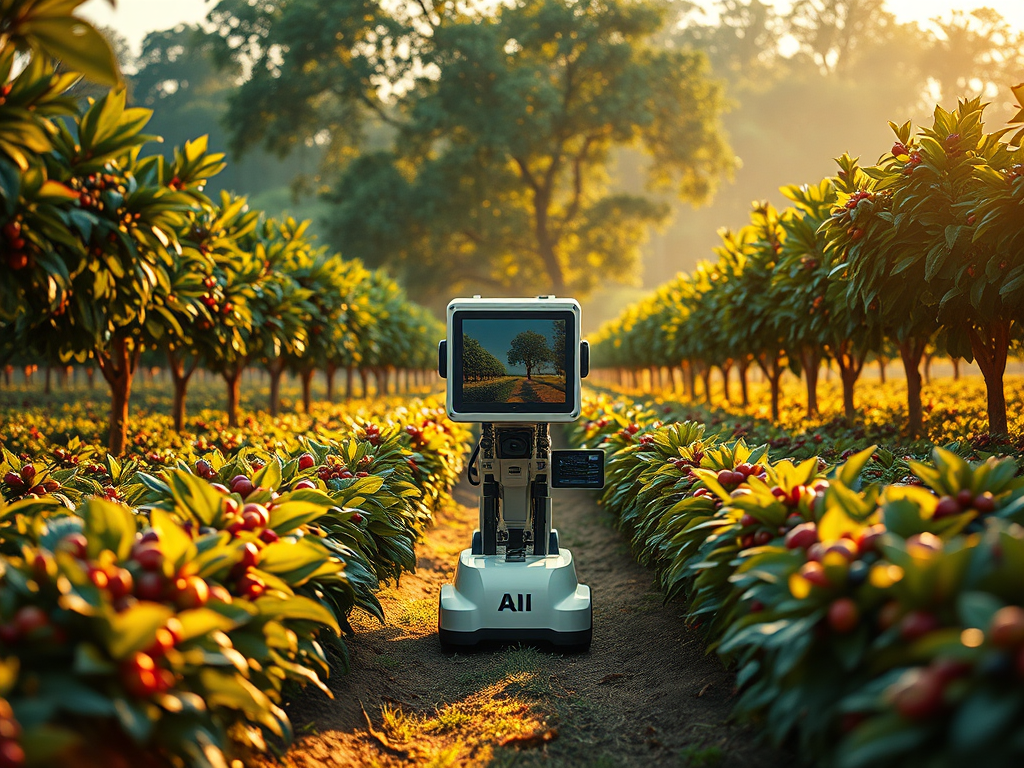
AI’s role in coffee farming extends beyond monitoring; it is also crucial for improving crop yields and soil management. Traditional soil management practices often involved broad-spectrum approaches that did not account for specific soil deficiencies. AI technology, supported by IoT-based sensor networks, offers a more detailed picture by analyzing soil nutrient composition, moisture levels, and acidity in real time. This data enables precise fertilization schedules, optimizing the growth environment for coffee plants and ensuring that the use of resources like water and fertilizers is both efficient and effective.
Research shows that using AI to monitor soil health can increase yield predictability by up to 25% compared to farms that do not use these technologies. This improvement is significant, especially for coffee farmers dealing with unpredictable weather patterns. AI systems can also model soil erosion risks and suggest strategies to mitigate these, such as planting cover crops or installing buffer zones.
Another critical application of AI in coffee farming is weather pattern forecasting. Coffee farming is highly sensitive to environmental changes; a sudden drought or unexpected frost can destroy crops. AI tools use historical climate data and sophisticated modeling to forecast weather patterns with greater accuracy than traditional methods. These predictions allow farmers to prepare for extreme weather events by adjusting planting schedules, protecting crops with temporary shelters, or implementing water-saving technologies during dry spells. According to the International Coffee Organization (ICO), AI-powered forecasting systems enhance the accuracy of harvest predictions, helping farmers align their strategies with upcoming weather conditions and minimize crop loss.
Moreover, AI-driven platforms can simulate various climate scenarios, giving farmers a chance to visualize potential risks and proactively adapt their strategies. For instance, farmers in Central America, where coffee production is increasingly threatened by hurricanes and tropical storms, use AI models to optimize their crop cycles and irrigation plans to minimize the impact of these events.
Automating coffee farm operations
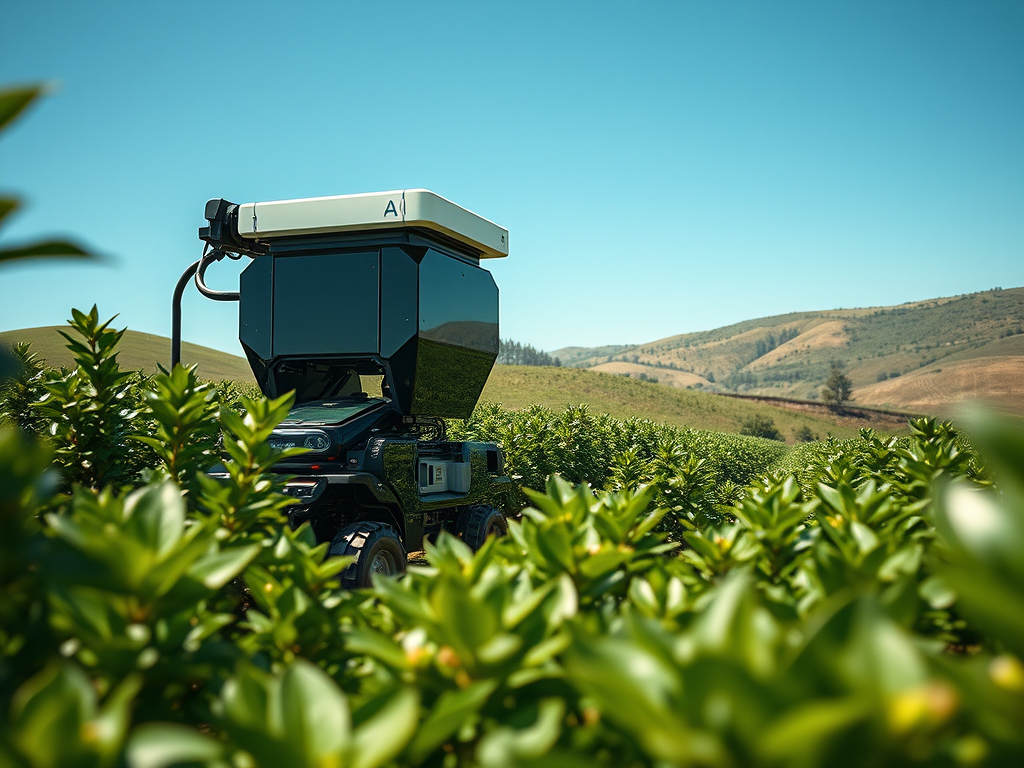
Automation, supported by AI, is a game-changer for coffee farm management. AI-powered solutions reduce dependency on manual labor, which is critical as labor shortages continue to impact the industry. Automated irrigation systems, for example, utilize AI algorithms to monitor and adjust water application based on soil moisture levels, reducing water waste and conserving resources. Studies indicate that these AI-driven systems not only lower water usage but also maintain or even improve yield levels, making them an essential tool for sustainable coffee farming.
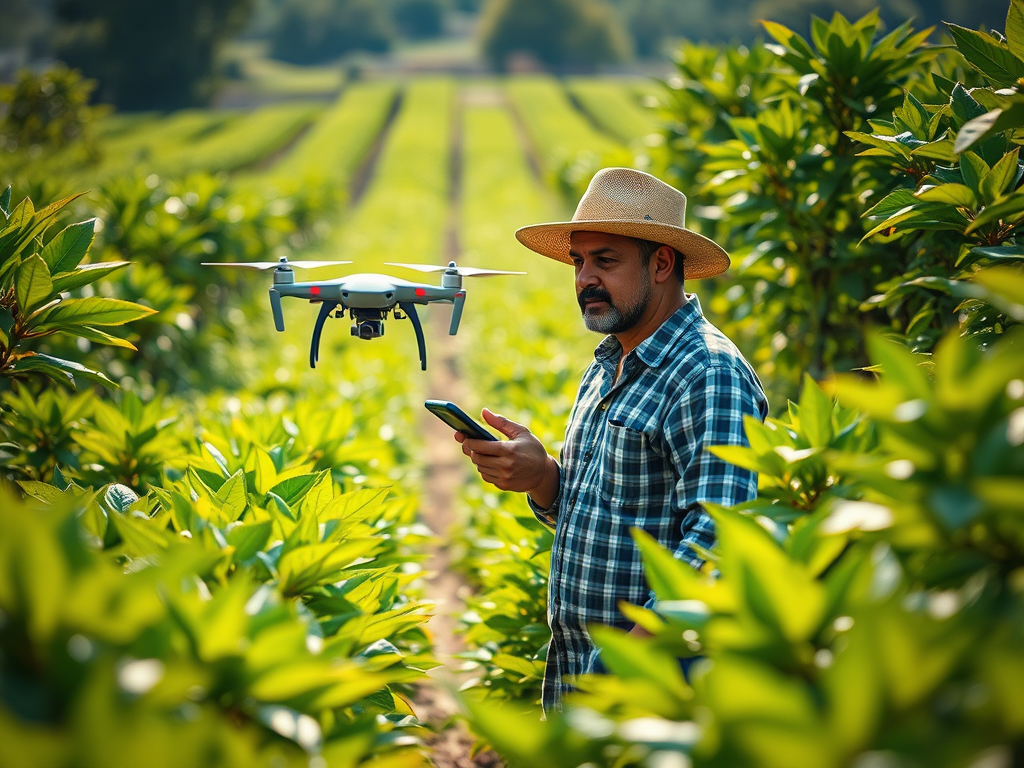
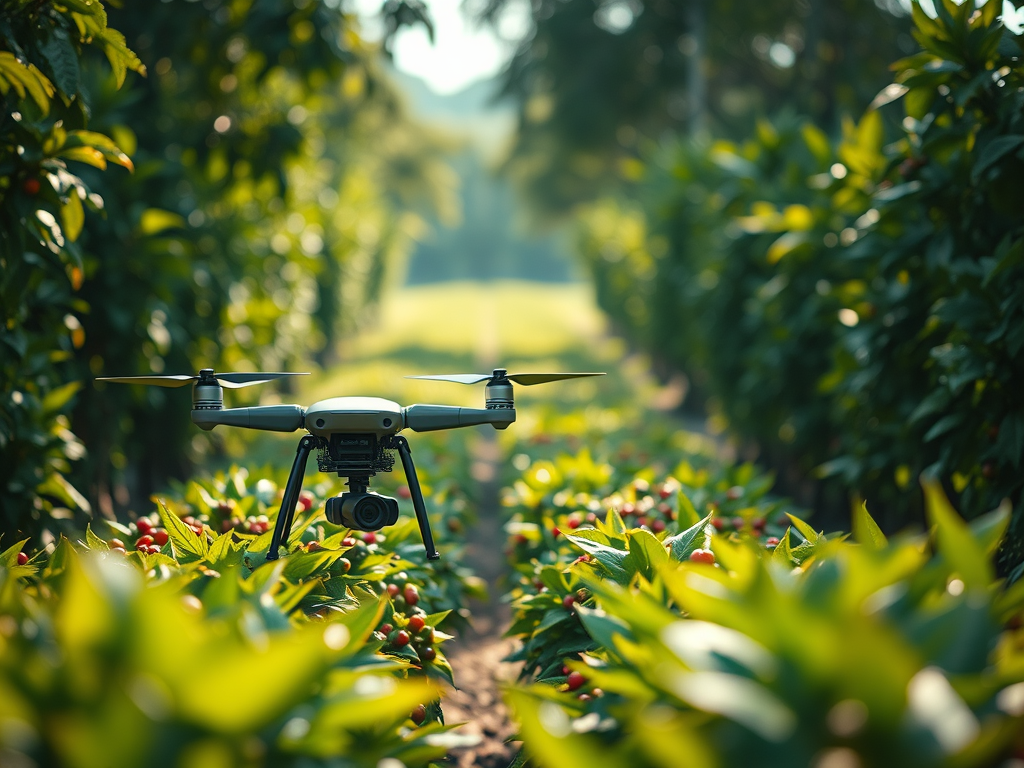
Drones equipped with AI technology are also becoming increasingly prevalent on coffee farms. These drones are capable of performing tasks such as crop monitoring, pest and disease detection, and mapping farm terrains. They capture high-resolution images that are analyzed by AI algorithms to detect early signs of disease or infestation. For example, coffee leaf rust, a devastating disease that affects coffee plants worldwide, can be detected early through AI-powered drones. In Colombia, the deployment of drones equipped with AI and multispectral imaging has significantly improved early detection and management of coffee leaf rust.
Additionally, these drones can help farmers monitor plant growth and identify areas that need additional attention, such as sections of a plantation that are underperforming or are more susceptible to pest attacks. By combining this aerial data with ground-based sensors, farmers gain a comprehensive understanding of their crops, allowing them to make precise and informed management decisions.
Another innovative application of AI is in the development of autonomous machinery for harvesting coffee. While harvesting is traditionally labor-intensive, AI-driven robots can now identify ripe coffee cherries and pick them without damaging the plants. This not only reduces labor costs but also ensures that only ripe cherries are harvested, improving the quality of the coffee produced.
AI’s impact on coffee quality
While AI’s contributions to yield and efficiency are crucial, its impact on coffee quality is equally transformative. Coffee quality is heavily dependent on the grading process, which has historically been subjective. AI has revolutionized this by introducing automated grading systems that evaluate coffee beans based on objective criteria such as size, color, moisture content, and defects. By removing human subjectivity, these systems provide consistent and accurate grading, which is essential for maintaining quality standards across large volumes of coffee beans.
For example, AI-powered optical sorters and grading systems, like those developed by companies such as Advantech, TOMRA, and Satake have shown to improve grading precision by reducing human error and increasing consistency. These systems use advanced machine learning algorithms to analyze various factors like size, color, and defects in coffee beans. Studies indicate that these technologies enhance sorting accuracy significantly compared to traditional manual methods.
Post-harvest processing is another area where AI has made significant strides. The processing stage, which includes drying and fermenting coffee cherries, greatly influences the flavor and aroma of the final product. AI-driven systems use machine vision to scan cherries and determine optimal drying conditions based on their characteristics. By precisely controlling these variables, AI ensures that each batch of coffee is processed under ideal conditions, resulting in higher quality beans with improved flavor profiles. Studies indicate that AI-optimized post-harvest processing techniques have increased coffee quality scores by 12-15% as measured by global coffee standards.
Furthermore, AI is used in flavor profiling and quality control during the roasting process. Algorithms can analyze the chemical composition of coffee beans before roasting, predicting the flavor outcome based on their molecular structure. This enables roasters to adjust their techniques in advance, ensuring that the final product meets the desired quality standards. Such precision not only enhances the consistency of the coffee but also allows for the development of specialty blends tailored to consumer preferences.
The integration of AI into coffee farming represents a significant evolution in how coffee is grown, monitored, and processed. By using advanced monitoring tools, predictive algorithms, and automation, AI empowers coffee farmers to optimize their operations, making coffee production more efficient, resilient, and sustainable.
As the industry continues to confront global challenges like climate change and labor shortages, AI technologies will be crucial for producing high-quality beans consistently. The future of coffee farming lies in the adoption and refinement of these technologies, ensuring that coffee remains a viable and profitable industry despite evolving environmental and economic conditions.




 Coffee Digest