
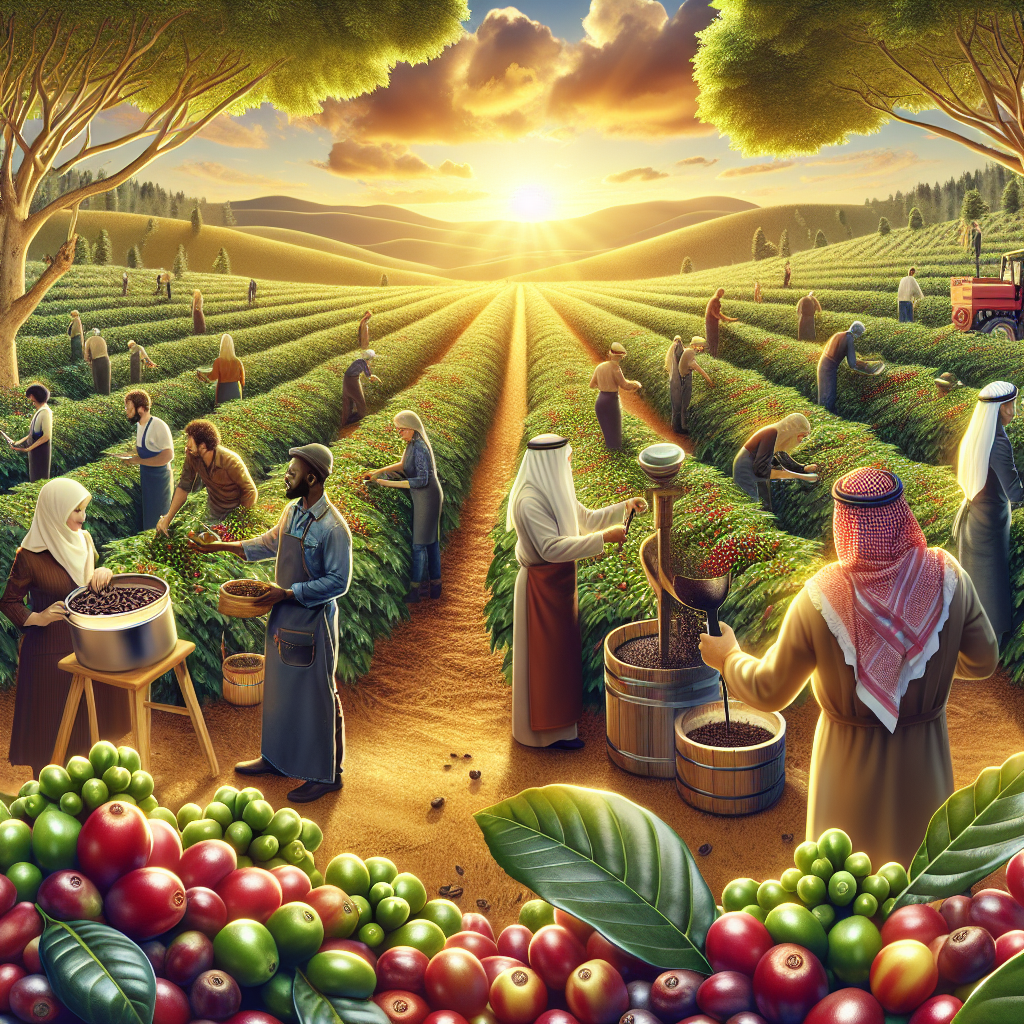
The Middle East is inextricably linked to coffee, a connection that spans consumption and production for centuries. From the lively markets of Istanbul to the cultural qahwa ceremonies in Saudi Arabia, coffee has played a pivotal role in shaping the region’s identity.
Yet, recent developments suggest that this historical relationship may be transforming. Could the Middle East emerge as a global player in the specialty coffee industry?
Historical significance of coffee in the Middle East
Yemen, in particular, holds a prized place in the history of coffee cultivation. By the 15th century, it became one of the earliest countries to grow and export the sought-after Arabica coffee bean. Yemeni coffee was instrumental in the development of global coffee trade, with the port city of Mocha giving rise to the mocha coffee profile—a name still associated with chocolatey and fruity flavors.
According to National Geographic, “Yemen’s ancient terraced farms were once responsible for producing some of the world’s most sought-after coffees”, and played a critical role in establishing the global reverence for Arabica beans, a legacy that lives on today. However, economic challenges and political instability over the centuries led to a marked decline in Yemen’s coffee output. The country, which had been at the forefront of coffee production, fell behind as other regions, notably Latin America and Africa, took the lead.
Yet, in recent years, concerted efforts have been made by local farmers to reclaim the Middle East’s historical significance in the coffee sector, particularly in the specialty segment – where quality is paramount.
Production volume of coffee in the Middle East
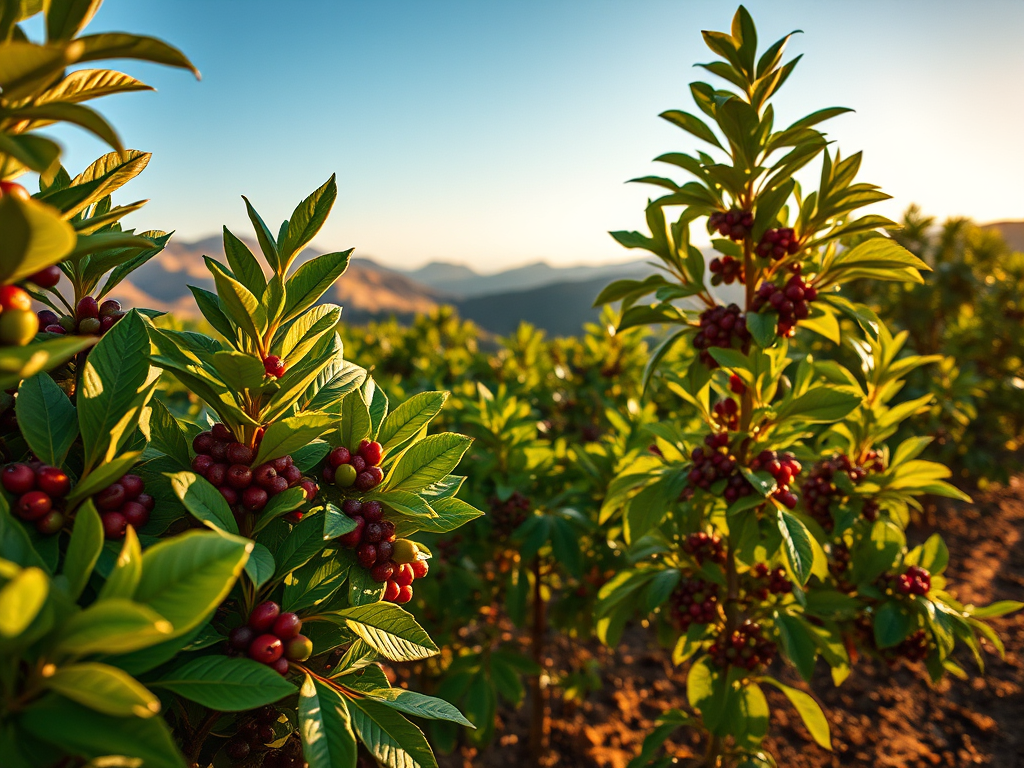
In recent years, the Middle East has seen significant growth in coffee production, particularly as countries in the region invest in reviving the industry. Saudi Arabia, in particular, has set ambitious goals for its coffee sector. The Saudi government has pledged to increase domestic coffee production to meet at least 70% of the country’s coffee demand by 2030, as part of its Vision 2030 plan. The Jazan region of Saudi Arabia, which has favorable conditions for coffee farming, is central to these efforts. In 2023, the country produced around 300 tons of Khawlani coffee beans, with plans to double this volume in the coming years.
Similarly, other Middle Eastern nations like Yemen and the United Arab Emirates (UAE) are focusing on revitalizing their coffee industries. Yemen, despite political instability, remains committed to maintaining its legacy as a coffee producer by enhancing the quality and international reach of its beans. Meanwhile, the UAE, although not a major producer, plays a pivotal role in coffee re-exportation and consumption, hosting international events like the World of Coffee exhibition, further solidifying the region’s connection to the global coffee market. These efforts reflect a growing recognition of coffee as both a cultural symbol and an economic opportunity for the Middle East.
The growth of specialty coffee culture
In several Middle Eastern countries, particularly in Saudi Arabia and the UAE, there has been a noticeable rise in specialty coffee culture. Specialty cafes serving high-quality, artisanal coffee have become increasingly popular among both locals and expatriate communities, adding to an already popular traditional coffee scene. According to Euromonitor International, “the value of retail sales within cafés/bars reached $4 billion USD across MENA (Middle East North Africa) markets” by 2021 –this is projected to continue growing by 10.78% annually between 2024-2029, resulting in a market volume of US $526.50million.
Local players in the region are beginning to make their mark globally, exporting locally roasted blends and forming partnerships with foreign entities. This movement aims to cater to the growing population of discerning consumers who seek unique, high-quality flavors that go beyond the mass-market options typically available.
One example of this progression is the Kingdom of Saudi Arabia. In 2023, the Ministry of Environment, Water and Agriculture announced a goal to make 15 provinces in the southwestern part of the Kingdom a significant source of Saudi Arabian coffee. Already producing more than 800,000 tonnes of green coffee annually, this effort aims to boost coffee production in the Kingdom in support of the national economy, in line with the goals of Saudi Vision 2030.
Yemen reclaiming its place in global coffee markets
Yemen, which has played an essential role in the history of coffee, is seeing a resurgence in attention. Known for producing some of the finest arabica coffee varieties globally, Yemeni coffee is highly regarded for its distinctive flavors. Despite facing considerable challenges due to ongoing civil conflict, Yemeni farmers have shown resilience in cultivating heirloom coffee varietals prized by connoisseurs.
At the 2024 Best of Yemen auction, organized by the Alliance for Coffee Excellence (ACE) and the Qima Foundation, set a new record with the top lot fetching $1,159 USD per kilogram. The event highlighted the exceptional quality of Yemeni coffee, fetching impressive prices for the highest-ranked lots. The auction livestream offered transparency, with real-time online participation from global audiences.
These auctions, along with concerted efforts from local organizations and international partners, are helping Yemeni coffee regain international recognition. Given consumer demand for distinct and high-quality flavors, coupled with the well-established premium status of Yemeni coffee, the nation’s farmers are targeting the goal of making a significant impact on the specialty coffee market.
Gender inclusivity in coffee production
A key feature of Yemen’s coffee revival has been the involvement of female coffee producers — a shift in a traditionally male-dominated agricultural industry. Historically, gender norms across many rural parts of Yemen restricted women’s participation in commercial farming. However, events such as the Best of Yemen auctions have seen increased contributions from women, indicating a shift towards more inclusive practices.
Empowering female farmers is not only a positive socio-economic development but also a potential driver for scaling up coffee production levels without sacrificing ethical sourcing practices. This aligns with wider trends in the coffee industry, where brands such as Starbucks and Blue Bottle have increasingly prioritized transparency, gender equality, and sustainability throughout their supply chains. As a result, Yemeni coffee is uniquely positioned to meet the growing consumer demand for responsibly sourced specialty coffee that aligns with fair trade principles.
Future prospects: Can the Middle East compete globally?
While Yemen leads the charge, the broader Middle East holds potential for further growth in specialty coffee production. Factors such as climate, soil quality, and water availability will play crucial roles in determining whether other countries in the region can replicate Yemen’s success. As regional governments and private sector partners become more attuned to the profitability and international interest surrounding specialty coffee, new opportunities may arise for countries like Oman, Saudi Arabia, and Jordan.
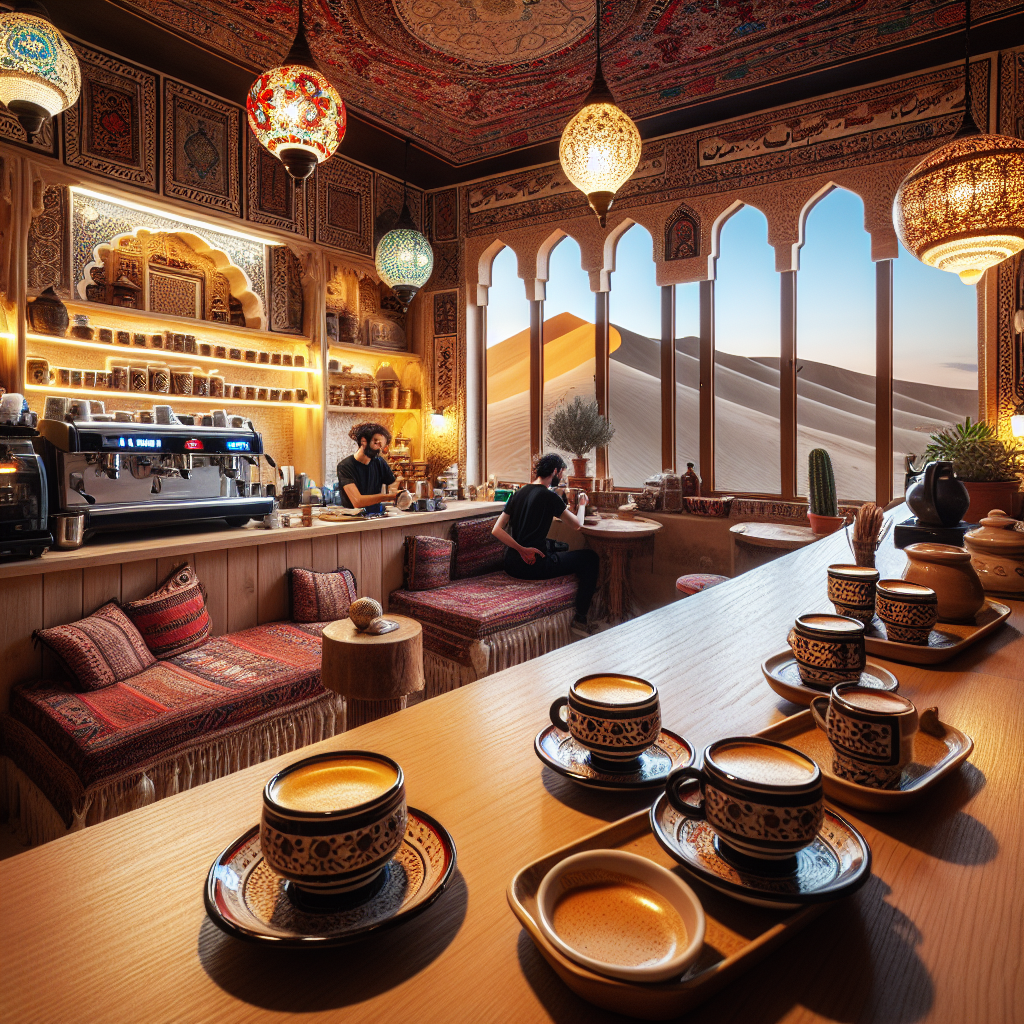
Additionally, the Middle East is becoming an important consumer market for specialty coffee, with cities like Dubai and Riyadh emerging as hubs for trendy coffee shops and high-end roasters. Increased consumer awareness and a growing café culture are poised to boost both domestic consumption and investments in locally sourced coffee products. This evolving dynamic presents an opportunity for Middle Eastern countries to further integrate into the global coffee supply chain—not just as exporters, but as producers and active participants in the specialty segment.
As the specialty coffee market continues to expand, both internationally and domestically, the Middle East – and particularly Yemen – appears well-positioned to carve out its role. With historical roots in coffee production and a burgeoning demand for premium-quality beans, the region may soon be recognized not only as a consumer hub but also as a producer of world-class specialty coffee.




 Coffee Digest