
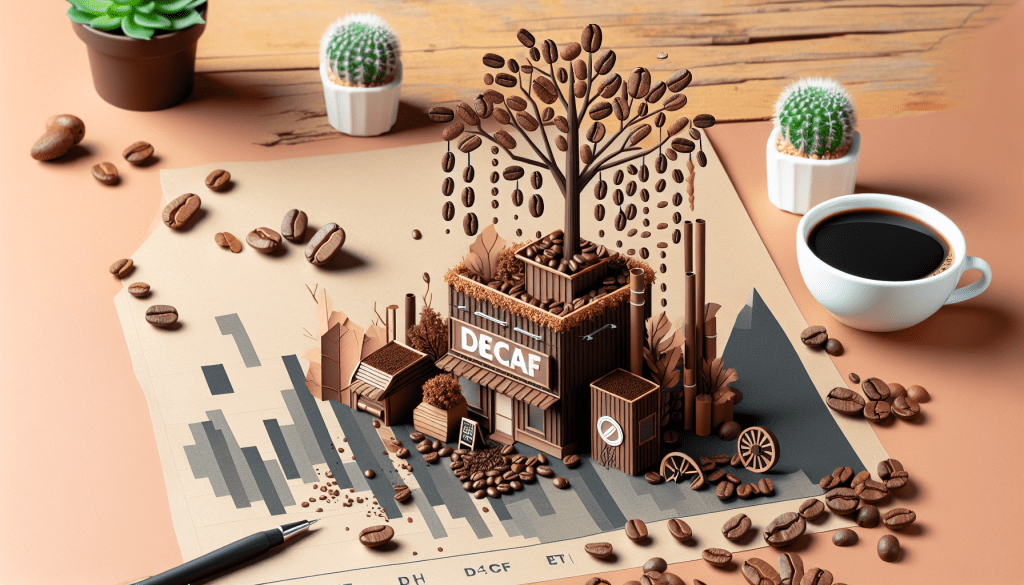
In recent years, decaffeinated coffee has seen a notable increase in demand, driven by health-conscious consumers and advancements in the decaffeination process. Previously viewed as a niche product, decaf coffee is now widely accepted by specialty coffee roasters and cafes. However, with the rise of other low-caffeine alternatives, such as ready-to-drink coffee and cold brew, questions have emerged about whether this surge can be sustained or if the decaf trend will start to decline.
The rise of decaf: A health-conscious movement
The growing popularity of decaf coffee is largely fueled by a shift in consumer behavior toward healthier lifestyle choices. Many individuals are becoming more mindful of their caffeine consumption due to concerns over sleep quality, anxiety, and cardiovascular health. According to the National Coffee Association’s National Coffee Data Trends report, approximately 32% of American adults consume at least one cup of decaffeinated coffee per week, representing a significant increase compared to previous years.
One of the critical factors contributing to this trend is the advancement in caffeine removal techniques. Historically, traditional methods of decaffeination often altered the taste and integrity of the coffee beans. However, newer techniques like the Swiss Water Process have made it possible to remove caffeine while preserving flavor. Modern decaf coffees more closely resemble their caffeinated counterparts.
““We have a special obligation to the decaf drinker,” said Peter Giuliano, former director of coffee and owner of Counter Culture Coffee in a 2010 interview. “Those guys are the true believers. They’re not drinking coffee because they need to wake up. They’re only drinking coffee because they like the taste.”
Consequently, over the last decade many specialty coffee roasters – historically wary of offering decaf coffee – have begun incorporating premium decaffeinated options into their product lines, including single-origin espressos and pour-over selections. For example, Blue Bottle Coffee offers its well-known decaf blend called Night Light, made with organic beans that undergo a water-based extraction process designed to retain the subtle flavors typically lost during chemical treatments.

Technological improvements: Enhancing flavor without caffeine
The evolution of decaffeination techniques, such as the aforementioned Swiss Water Process and carbon dioxide (CO2) extraction, has played a pivotal role in boosting the reputation of decaf coffee. These methods are favored because of their minimal impact on the bean’s essential oils and complex flavors. Additionally, the increased focus on sustainably grown and ethically sourced beans has further elevated the value of high-quality decaffeinated coffee offerings.
As a result, specialty coffee shops and independent roasters have embraced decaf options, recognizing that consumers no longer need to compromise flavor for caffeine reduction. The Specialty Coffee Association has highlighted this as a growing market opportunity for businesses looking to diversify their offerings and cater to wider audiences.
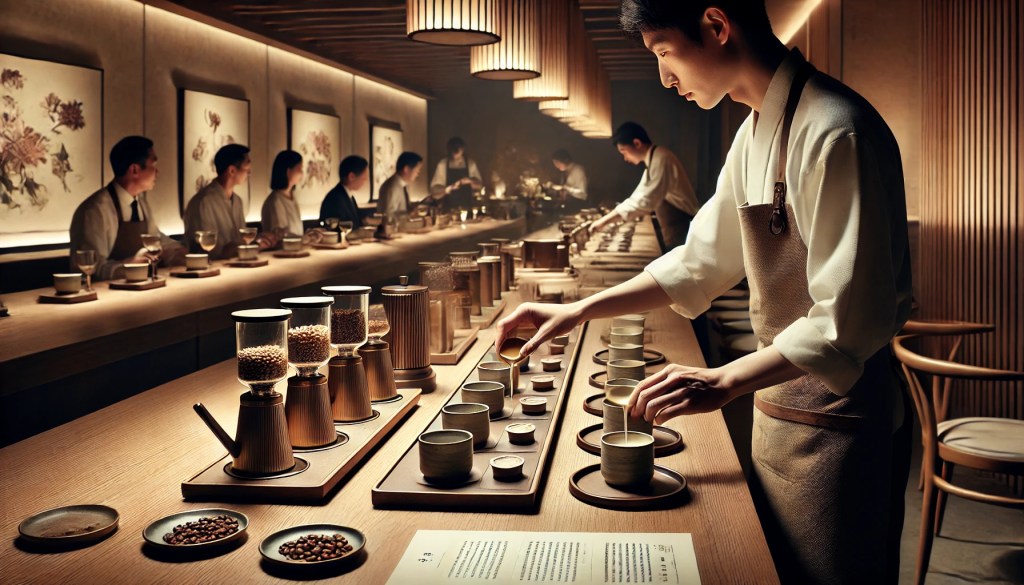
In recent years, decaf and low-caffeine coffees have also grown in popularity in barista and brewers cup competitions, reflecting their increasing acceptance in the specialty coffee world. Competitors in prestigious events like the World Barista Championship have begun to feature these coffees more frequently, showcasing their nuanced flavors and complex profiles. With the improvement of decaffeination methods, these options are no longer seen as second-tier, but as worthy competitors in their own right.
This trend highlights how the specialty coffee industry is evolving to cater to a broader range of preferences, as more consumers seek healthier, lower-caffeine alternatives without compromising on taste. As a result, baristas and brewers are now embracing decaf and low-caffeine coffees in their craft, pushing the boundaries of what was once considered niche in competitive brewing arenas.
This surge in demand mirrors the growing consumer preference for more diverse offerings, making decaf and low-caffeine coffees a valuable addition for any café looking to stay ahead of trends and cater to health-conscious customers.

Competing trends: RTD coffees and cold brew
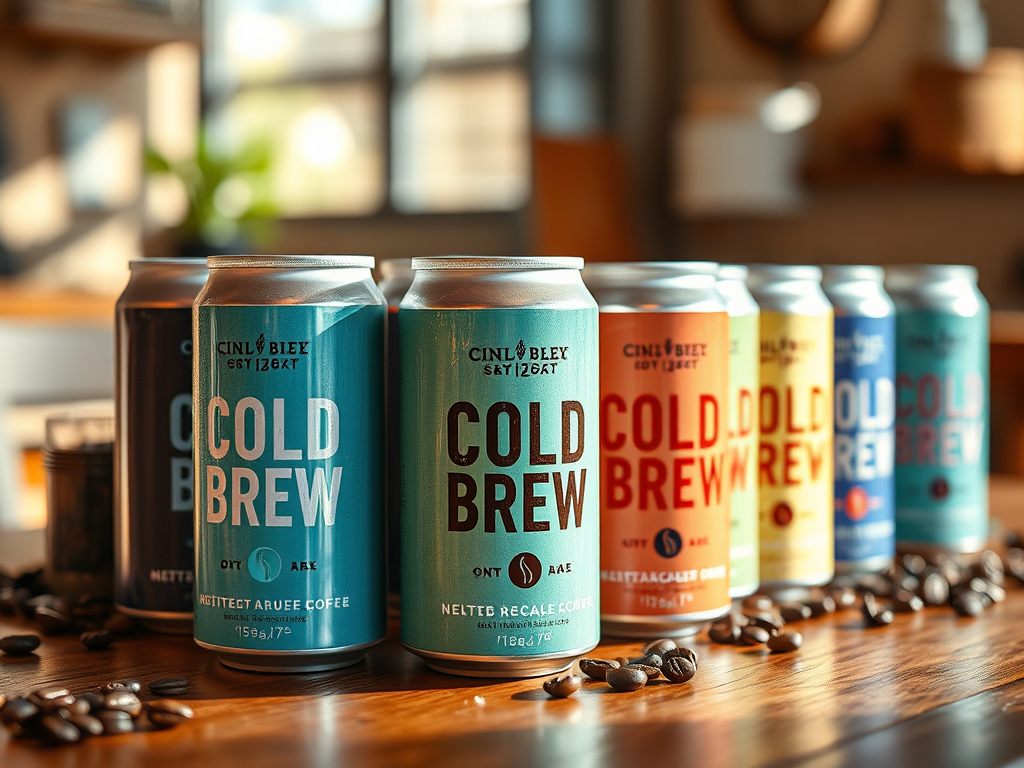
Despite the growing demand for decaf coffee, the broader landscape of low-caffeine beverages presents prospective challenges for future growth. The popularity of ready-to-drink (RTD) coffee and cold brew products has surged over the past few years, and these beverages offer a different set of low-caffeine alternatives that appeal to health-conscious consumers.
Reports reveal that global sales of RTD coffee and cold brew have surpassed $22 billion USD annually, demonstrating the rapid growth in these categories. Both segments have gained prominence, especially among younger consumers who prefer on-the-go convenience combined with lower caffeine options. RTD coffee, for example, often offers variations that are low in either caffeine content or sugar, positioning it as a viable alternative for those seeking moderation rather than full elimination of caffeine.
Similarly, cold brew coffee has gained popularity, particularly in warm climates or during summer months, where its smoother taste and reduced acidity appeal to a wider audience. As a cold drink with naturally lower caffeine levels when diluted, cold brew continues to attract consumers who want a less jittery, yet flavorful coffee experience.
While these emerging competitors may attract a portion of the low-caffeine market, decaf coffee remains a prominent player due to its distinctive health-focused appeal and the advancements in preserving flavor profiles. However, the rapid growth of competing trends, paired with the growing availability of RTD and cold brew options, could slow down the momentum of the decaf coffee market.
Consumer preferences and market adaptability
The continued success of decaf coffee will likely depend on coffee roasters’ ability to innovate and diversify within the category. As consumer preferences shift toward hybrid lifestyles — balancing health, convenience, and taste — the demand for products like decaf coffee may fluctuate in tandem with evolving trends in ready-to-drink beverages and other low-caffeine alternatives.
Roasters that adapt to these changes by offering a broad range of both decaffeinated and low-caffeine options may find they are better positioned to engage a wider audience. On the other hand, roasters who focus solely on fully caffeinated variants may miss out on the opportunity to capture niche market segments seeking moderation over elimination.
By integrating new technology and maintaining the highest quality standards, the future of decaffeinated coffee still holds promise, but competition from ready-to-drink beverages and cold brews will undoubtedly shape the trajectory of the industry in the years ahead.

 Coffee Digest