

In recent years, organic coffee has seen a surge in demand as consumers prioritize sustainability, health, and ethical sourcing. However, the question remains: is securing organic certification truly worth the effort for both coffee producers and consumers? The answer to this question involves multiple factors, ranging from environmental benefits to financial implications for growers.
What does organic coffee certification involve?
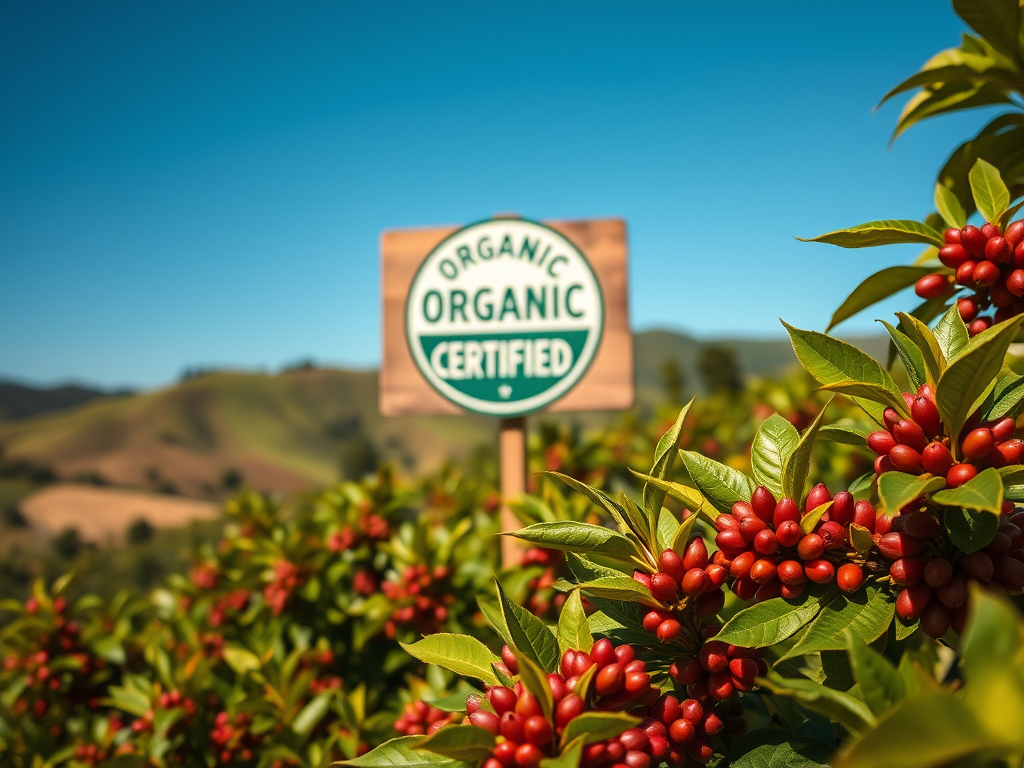
Organic coffee certification requires compliance with stringent guidelines established by certifying agencies, such as the USDA or Fair Trade organizations. These standards prohibit the use of synthetic pesticides, herbicides, and chemical fertilizers, emphasizing natural alternatives and processes that foster sustainable agriculture. Certified farms are also required to maintain soil fertility through methods like crop rotation, composting, and minimal tillage.
There are many that applaud the environmental benefits of organic farming, believing that it can help reduce carbon emissions because organic practices avoid synthetic inputs. This suggests that organic coffee cultivation may contribute positively to efforts against climate change, appealing to environmentally conscious consumers.
However, obtaining organic certification poses challenges, particularly for smaller-scale operations. A study from the University of Florida notes that “the cost of producing organic crops is often greater than conventional production”, due to the additional labor and the relatively higher costs of fertility and pest management. For many farmers, especially smallholders, meeting these certification standards can be a costly and labor-intensive process – and one that might not be worth the effort.
Economic implications: Is organic coffee profitable?
One may question whether the premium prices consumers are willing to pay for organic coffee justify the investment required for certification.
In 2022, the global market value of organic beverages was estimated at over 22 billion U.S. dollars , suggesting robust consumer interest in organic products – including coffee. Nevertheless, the economic benefits of organic certification are not uniformly distributed among farmers.
Smaller producers often struggle to absorb the upfront costs related to certification fees, inspections, and the operational changes required. By contrast, larger corporations with economies of scale may find it easier to offset these expenses. A Coffee Review report highlights this disparity, stating that “while organically grown coffees command higher prices […] not every farmer sees these profits trickle down”.
This points to a key issue in the organic coffee market – while consumer demand for organic products continues to rise, the financial rewards do not always reach the farmers who invest heavily in meeting certification requirements. Additionally, many smaller coffee growers face stiff competition from larger operations capable of delivering lower-priced organic products without compromising on the quality perceived by consumers based purely on certification labels.
Environmental benefits vs. Practical implementation
While there is broad consensus that reducing the use of synthetic chemicals in agriculture can lead to healthier ecosystems, practical implementation of organic farming practices varies significantly across regions. This is due, in part, to diverse climatic conditions, soil compositions, and pest resilience levels, which can influence the effectiveness of organic methods. For example, some regions may experience difficulties managing specific pests or diseases without synthetic inputs.
The regional variability in environmental challenges means that organic coffee production is not always an easy transition. Farmers in certain climates may face lower crop yields and increased labor demands, particularly when dealing with pests and diseases that thrive under specific geographic conditions. Consequently, the sustainability benefits of organic certification must be weighed against the practical challenges farmers face in adopting these practices.

Regional challenges
While organic coffee certification offers various environmental and market benefits, obtaining certification is particularly challenging in certain regions, even where coffee is already grown under organic conditions. Ethiopia, hailed as the birthplace of coffee, is one such region where organic farming practices have been followed for centuries, but obtaining official certification remains elusive for many farmers.
One key barrier is the cost and bureaucratic complexity associated with certification. Many Ethiopian coffee farms are small and family-run, and while these farms often use traditional, organic methods without synthetic inputs, the farmers lack the financial resources or access to the certifying bodies required to achieve organic status. According to the African Journal of Science, Technology, Innovation and Development, smallholder farmers in Ethiopia and other developing countries face significant hurdles in gaining certification, such as high costs and complex paperwork requirements.
Additionally, geographical remoteness exacerbates these difficulties. Coffee farms in Ethiopia are often located in hard-to-reach areas, making it more difficult for certifying agents to visit and verify organic practices. The result is that even though much of Ethiopian coffee is, in practice, organic, farmers miss out on the price premiums that certified organic products command in global markets.
In contrast, Mexico, another significant coffee producer, has a much more established system for organic certification. In regions like Chiapas, approximately 25% of coffee farms are certified organic, supported by NGOs and government initiatives that ease the financial burden and guide farmers through the certification process. Mexico’s coffee infrastructure, including access to certifying bodies, is more developed than Ethiopia’s, making certification more attainable for smallholder farmers.
This discrepancy highlights how different regions face varying levels of accessibility to organic certification, despite shared practices. It also raises critical questions about the fairness of the certification system and whether it serves all coffee-growing regions equally. While some regions have easier access to certification bodies and support systems, others – like Ethiopia – struggle to bridge the gap, leaving many producers unable to benefit from the growing demand for certified organic coffee.
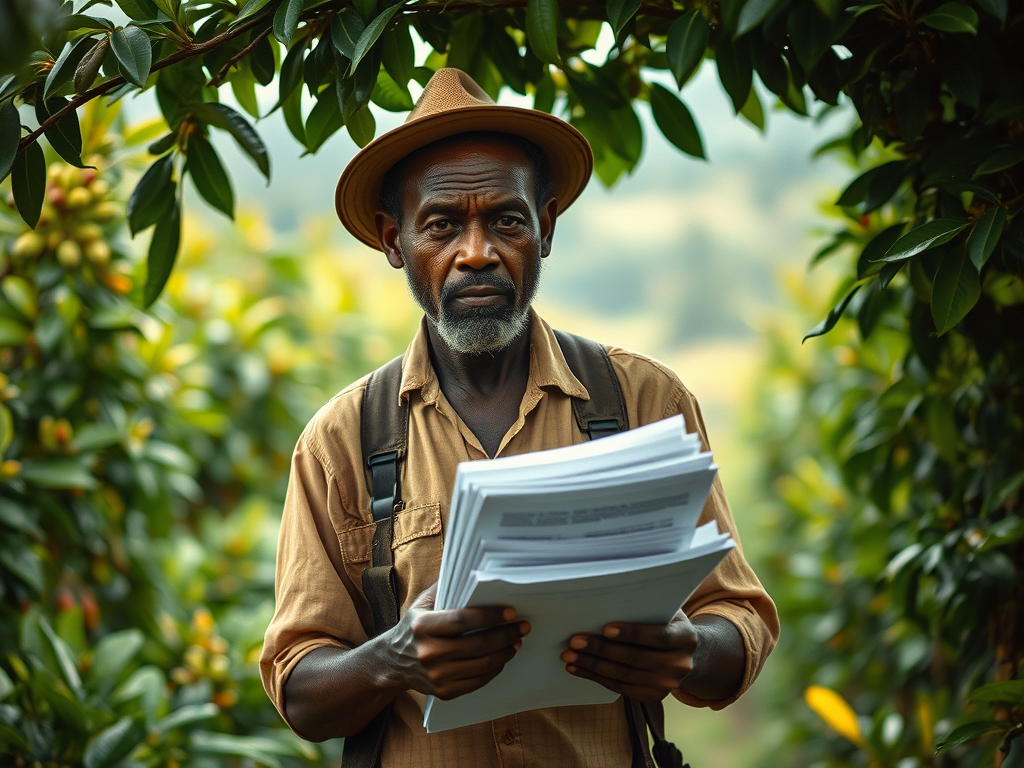
While organic coffee holds clear appeal for eco-conscious consumers and offers potential environmental benefits by reducing synthetic chemical use, the certification process itself presents significant challenges—particularly for small-scale producers who may struggle to reap the financial rewards of their investment.
Ultimately, the decision to pursue organic certification depends on a complex mix of environmental, economic, and practical considerations. The practical difficulties of implementing organic farming techniques across diverse agricultural regions further complicate the equation for many coffee growers globally.




 Coffee Digest