
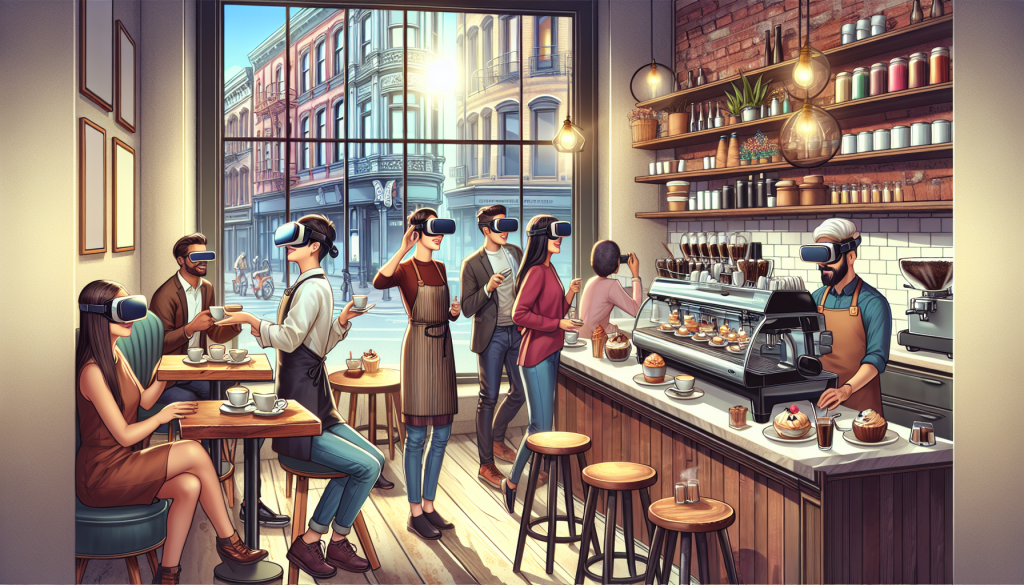
In recent years, coffee culture has expanded far beyond the traditional cup of coffee. With the advent of third-wave coffee shops, artisanal roasters, and a growing interest in premium coffee experiences, consumers are increasingly seeking personalized engagements with their brews.
As technology continues to reshape industries, virtual tasting events have emerged as a new platform for coffee aficionados. But is virtual coffee tasting merely a trend or a lasting component of coffee culture?
The emergence of virtual tastings
Virtual tastings, like many other digital innovations, gained significant traction during the COVID-19 pandemic. With lockdowns limiting physical interaction, both businesses and consumers adapted by embracing remote alternatives. While the wine and whiskey industries were among the first to experiment with online tastings, the specialty coffee sector soon followed suit.
According to a report from Forbes, the global market for virtual events was valued at $78 billion in 2019 and is projected to grow at an annual rate of 23% between 2020 and 2027. This shift highlights a growing demand for virtual experiences, especially those providing an immersive and accessible approach to previously niche activities like coffee cupping.
Several coffee brands, such as Blue Bottle Coffee and Driftaway Coffee, have already entered the virtual tasting space. These companies offer curated tasting sessions where participants receive pre-packaged coffee beans or grounds. Accompanying these kits are detailed brewing instructions and access codes for live-streamed or recorded sessions led by expert baristas or roasters, making it easier than ever for enthusiasts to engage with coffee technology and education from a distance.

Accessibility and expertise in the digital age
One of the most significant advantages offered by virtual coffee tasting events is accessibility. Traditionally, attending a specialized coffee cupping session would require proximity to urban hubs and cities with established café scenes. However, virtual events eliminate geographic barriers, allowing individuals from diverse locations to participate in expert-led sessions without leaving their homes.
Renowned UK roaster, Square Mile Coffee Roasters, emphasizes this newfound accessibility, saying that their virtual events are “designed to lead you through the tree-to-cup journey of coffee, discussing taste, origin, and coffee culture”. Participants no longer need to travel long distances or contend with venue fees, and brands themselves incur fewer operational costs, allowing them to pass these savings onto consumers.
Moreover, virtual tastings democratize the expertise behind coffee brewing. Many online events are less expensive than in-person workshops, making them more accessible to a broader audience. Virtual reality (VR) and augmented reality (AR) technologies also have the potential to enhance these interactions further, creating immersive environments where attendees can explore different brewing techniques or visualize coffee origins.
VR and AR coffee experiences
As augmented reality (AR) and virtual reality (VR) technologies become increasingly sophisticated, their applications in the coffee industry are beginning to take shape. Companies like Raw Material Coffee are leading the charge by offering immersive VR experiences that take participants through the journey of coffee, from the plant to the port. These virtual sessions provide users with an unprecedented view of coffee production, allowing them to explore farms, observe agronomy practices, and understand the complexities of coffee exportation—all from the comfort of their homes. By embracing VR, Raw Material is making coffee education more accessible, bridging the gap between consumers and producers in an interactive way.
These technologies offer significant benefits for coffee professionals and enthusiasts alike. VR can bring distant coffee farms to life, offering roasters, baristas, and coffee lovers a deep dive into the processes that go into producing their favorite beans. Traditional educational trips to origin countries are often costly and inaccessible for many, but VR can simulate these experiences without the need for expensive travel or logistical challenges.
Augmented reality (AR) is also finding its place within the coffee industry. AR tools can help consumers learn more about the coffee they are drinking by scanning packaging with their smartphones to reveal information about origin, flavor profiles, and producer stories. This personalized, interactive experience deepens the connection between consumers and their coffee, while also providing educational value. As AR and VR technologies evolve, they have the potential to become essential tools in promoting transparency, education, and engagement within the coffee supply chain.

Coffee community-building with technology
Another unique aspect of virtual tastings is their ability to foster a sense of community among participants. Despite physical distancing, many attendees report feeling connected through the interactive nature of these gatherings. Platforms such as Zoom or Google Meet provide real-time engagement, allowing participants to share feedback, ask questions, and interact with presenters and fellow tasters alike.
The virtual format also offers opportunities for deepening engagement within niche coffee communities, which may not have flourished under traditional settings. In many cases, virtual tastings enable participants to connect with others who share a passion for specialty coffee, regardless of geographical limitations. While these digital gatherings lack the direct sensory experience of face-to-face events, the camaraderie developed through shared interests often compensates for that absence.
As coffee continues to be redefined by evolving consumer preferences and advancing technologies, virtual tastings demonstrate how coffee culture can adapt to embrace digital platforms while still maintaining the authenticity and depth prized by enthusiasts. Whether this innovation will continue post-pandemic remains to be seen, but its current success signals that coffee technology is here to stay in one form or another.
In the coming years, as these technologies become more widespread and affordable, the coffee industry is likely to see an increase in VR-based training, virtual cupping sessions, and AR-enabled product experiences. This shift not only democratizes access to knowledge but also offers a unique way for coffee companies to engage their audience on a deeper, more immersive level. By leveraging AR and VR, the industry can create a more connected, transparent, and informed coffee community.

 Coffee Digest