
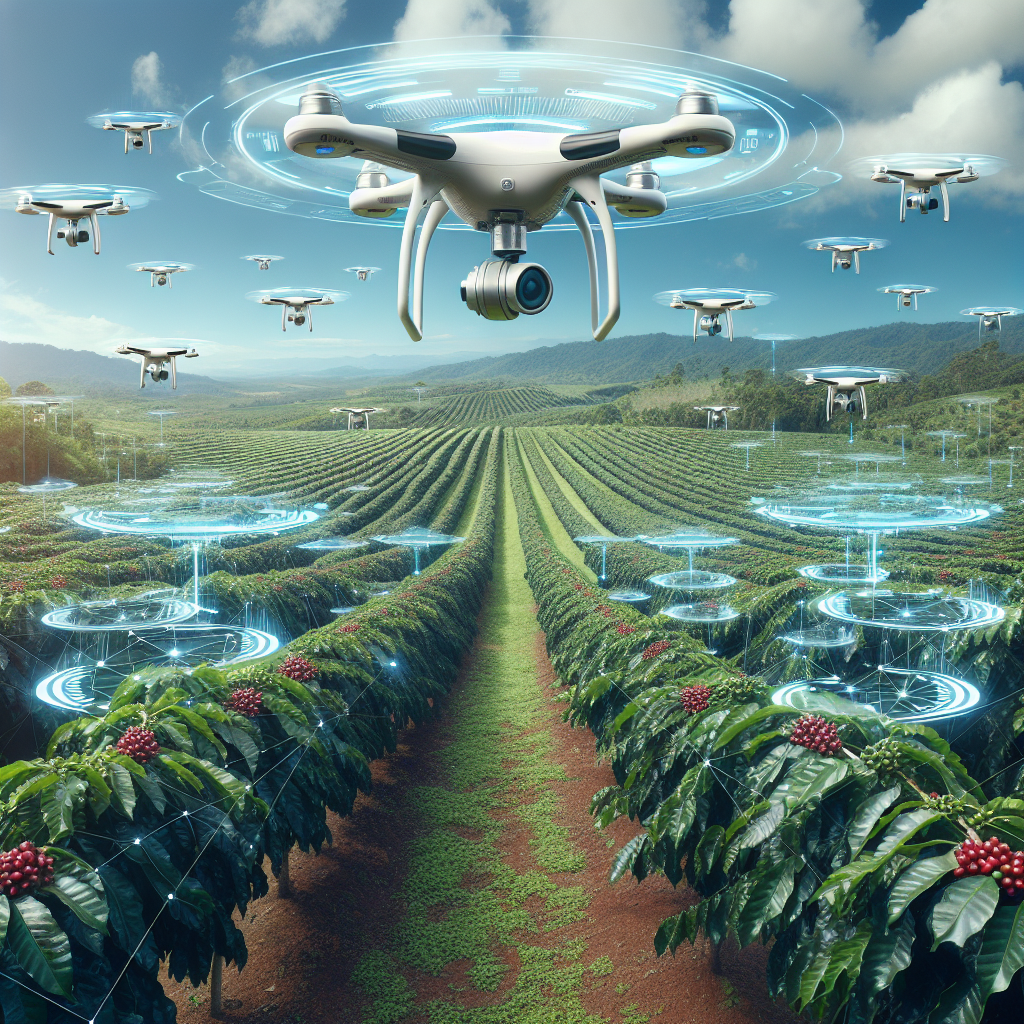
In the ever-evolving landscape of agriculture, drones have emerged as a game-changing technology for coffee farm management. As coffee producers face increasing challenges from climate change, pests, and market fluctuations, the integration of drone technology is proving to enhance efficiency and optimize crop yields.
Drones equipped with advanced sensors and imaging capabilities are being utilized to monitor coffee plantations in ways that traditional methods cannot match. From aerial imaging to precision agriculture, these unmanned aerial vehicles (UAVs) are transforming how farmers assess their crops, manage resources, and maintain sustainability practices.
Enhancing Crop Monitoring
One of the primary benefits of using drones in coffee farming is their ability to provide detailed aerial views of the fields. A study published in the journal Precision Agriculture highlights this advantage: “Drones can collect high-resolution images of crops, allowing for precise monitoring of plant health and water stress” (Miller, 2020). This capability enables farmers to identify issues early, such as pest infestations or nutrient deficiencies, leading to prompt interventions that can save both time and resources.
According to Jorge Jaramillo, an agronomist at AgroDrones, “The use of drones has made it possible to cover large areas in a fraction of the time it would take with traditional scouting methods. This efficiency allows farmers to be proactive rather than reactive.”
Precision Agriculture and Resource Management
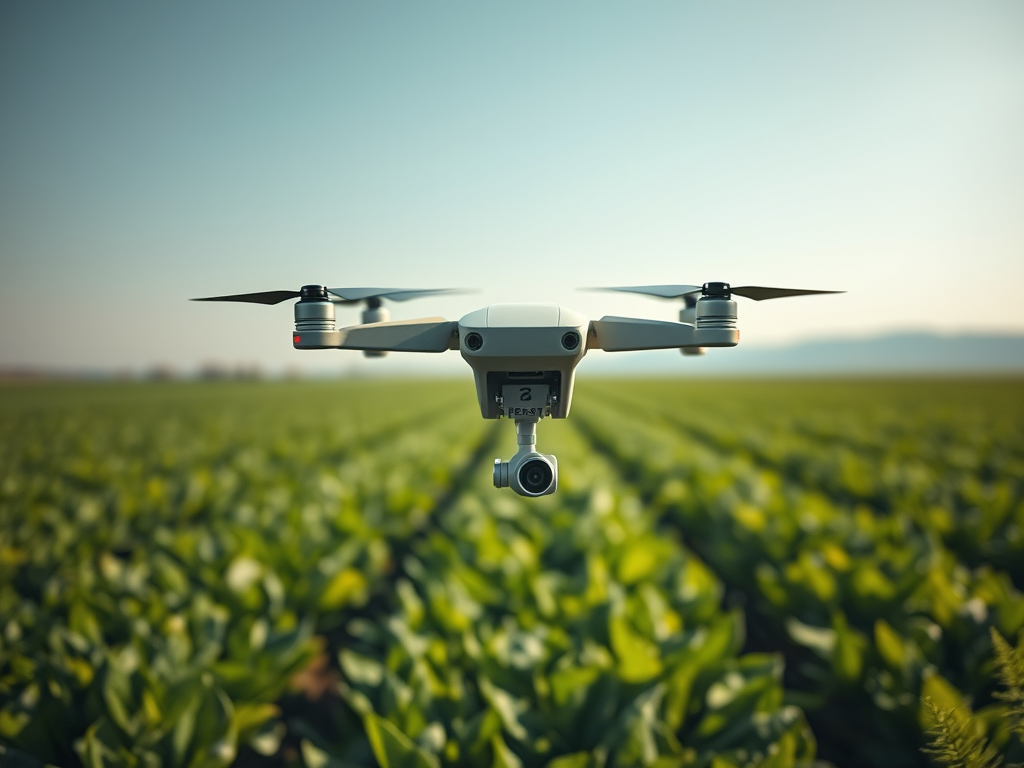
Drones facilitate precision agriculture, a farming approach that uses technology to ensure crops and soil receive exactly what they need for optimum health and productivity. By analyzing the data collected through drones, farmers can make informed decisions about irrigation, fertilization, and harvesting. “The integration of drones into farming practices leads to more efficient resource management, reducing waste and lowering costs,” says Mark Henderson, a researcher in agricultural technology. (Agricultural Technology Review).
Moreover, with the increasing focus on sustainability in coffee production, drones help reduce the environmental impact of farming. By applying inputs like fertilizers and pesticides more precisely, farmers can minimize chemical runoff and conserve water resources.
Training and Implementation
While the benefits of drone technology are clear, successful implementation requires training and adaptation. Farmers must understand how to operate drones effectively and analyze the data gathered. Many institutions are now offering courses on drone technology in agriculture. For example, the University of California offers a comprehensive program that covers everything from drone operation to data analysis specifically tailored for the agricultural sector.
As noted by Laura Sanchez, a coffee farmer from Costa Rica, “It’s not just about flying the drone. Understanding the data is where the real value lies. With the right training, we can significantly improve our yields and sustainability.” (Coffee Farming Journal).
Overcoming Challenges
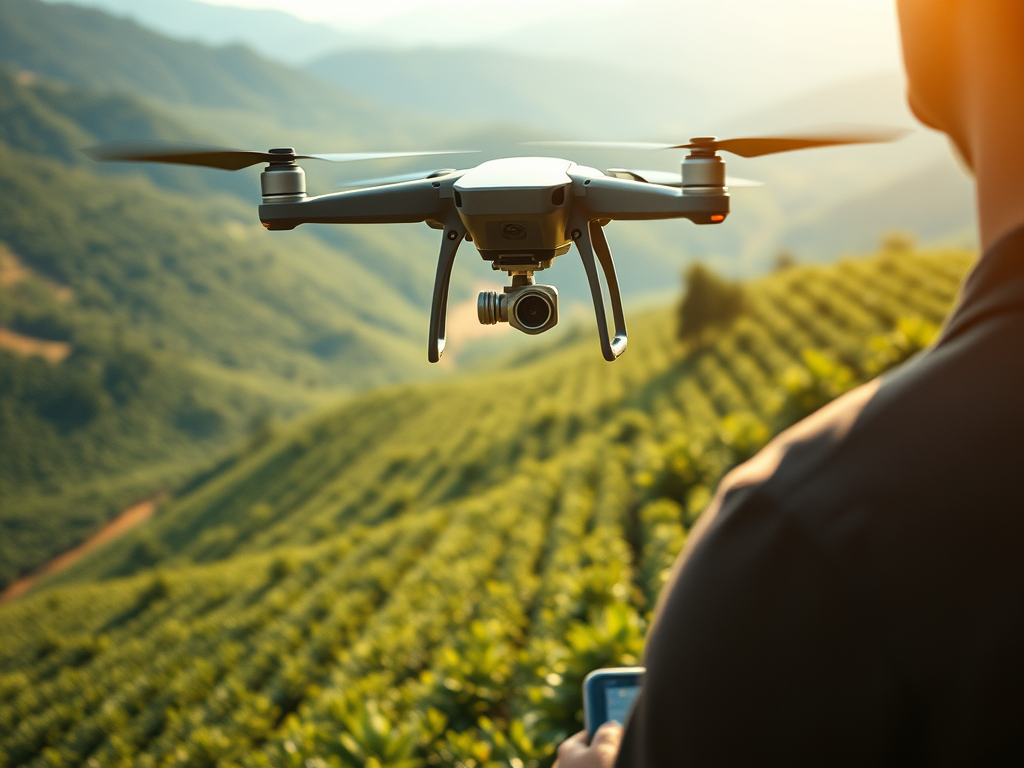
Despite the clear advantages of drones in coffee farm management, challenges remain. Regulatory issues, high initial costs, and the need for ongoing maintenance can deter some farmers from investing in this technology. Some countries have established regulations and restrictions for thier use – for example, the Federal Aviation Administration (FAA) has established regulations around drone use that must be carefully followed to avoid penalties.
Additionally, there is a learning curve associated with adopting drone technology. Training programs and support from agricultural extension services can play a pivotal role in helping farmers transition to this innovative approach.
Drones are undoubtedly revolutionizing coffee farm management and efficiency, providing farmers with tools that enhance crop monitoring, resource management, and overall sustainability. As the coffee industry continues to adapt to challenges posed by climate change and consumer demand for sustainable practices, the use of drone technology will likely expand even further. By investing in drone technology and embracing precision agriculture, coffee farmers can look forward to improved productivity and resilience in their operations.




 Coffee Digest