
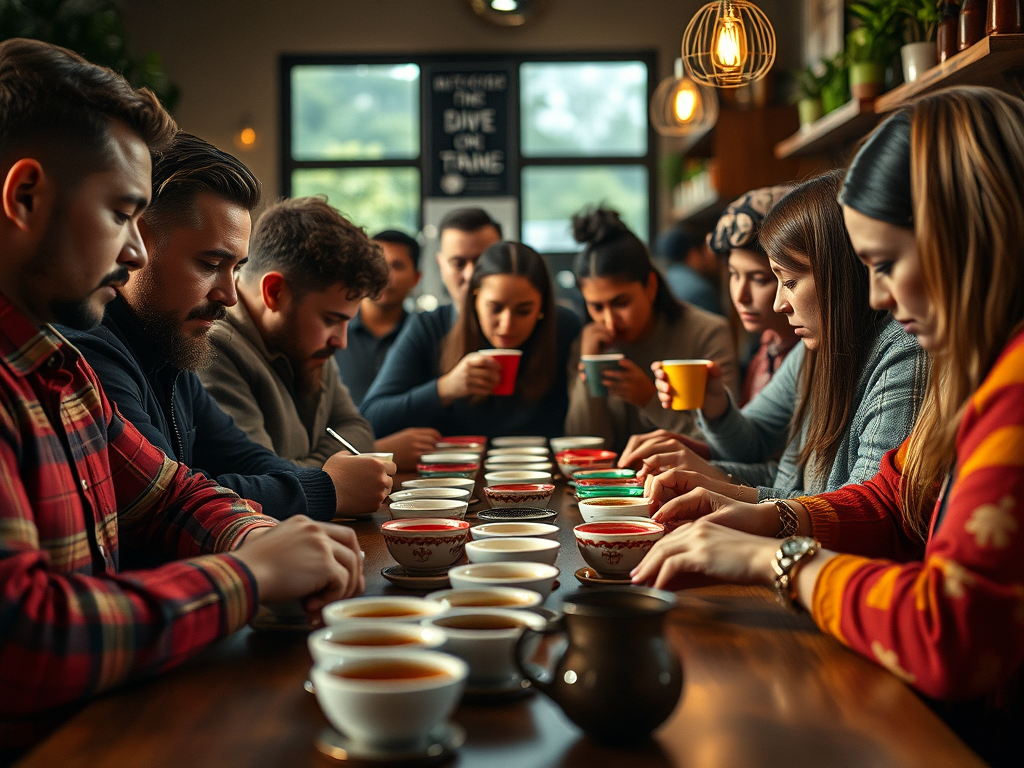
In recent years, specialty coffee has increasingly become synonymous with quality, meticulous sourcing, and craftsmanship. However, beneath this carefully curated facade lies a discomforting reality: the prevailing standards of quality are disproportionately shaped by Western palates, often overlooking the rich tapestry of cultural diversity that coffee represents. As the specialty coffee industry expands, it is crucial to critically examine how notions of “quality” in coffee are influenced, and how this hegemony marginalizes non-Western perspectives on what constitutes exceptional coffee.
The Western Lens of Quality Coffee
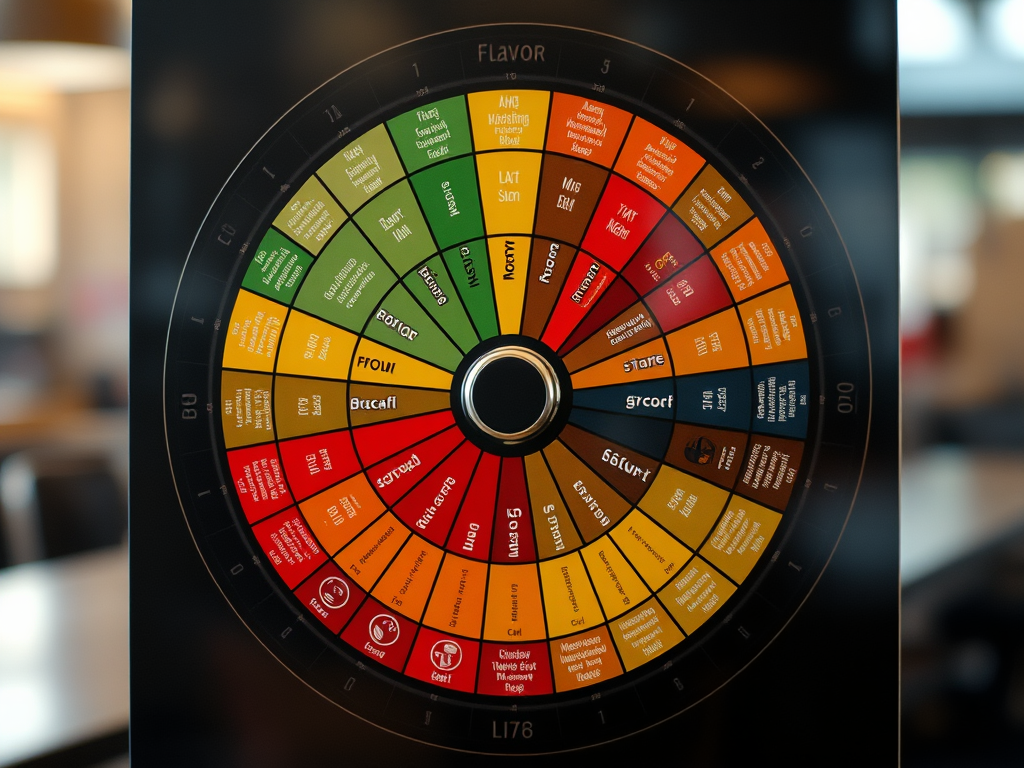
At the heart of the specialty coffee discourse is the concept of “quality,” which largely aligns with Western taste preferences. This alignment is exemplified in tools like tasting wheels and practices for coffee assessment. Tasting wheels categorize flavors into specific families—sweet, fruity, nutty, and so forth—reflecting a palate nurtured in Western cultures. The SCAA (Specialty Coffee Association of America) outlines a tasting wheel that emphasizes these flavors, guiding coffee tasters and consumers toward Western-centric profiles (SCAA, 2021).
However, these established frameworks gloss over the diverse flavor experiences offered by coffee grown in various regions across the globe. Many non-Western coffee-drinking cultures have their distinct flavor profiles and traditional consumption practices that do not fit neatly into Western categorizations. For instance, in parts of Ethiopia, coffee is often enjoyed with spices or other additions, highlighting an entirely different approach to flavor appreciation that remains largely unacknowledged within global specialty coffee standards.

The Process of Becoming a Certified Grader
To further understand the complexities surrounding coffee quality, it is essential to consider the training and certification processes for coffee graders and cuppers. These certifications often focus on an understanding of Western flavor profiles and grading criteria. Organizations such as the SCA offer courses that culminate in certification as a Q Grader, where individuals learn to assess coffee based on a standardized set of criteria that prioritize certain flavors and aromas (Specialty Coffee Association, 2022).
While these systems aim to create a coherent language around coffee quality, they perpetuate a singular narrative that privileges Western tastes. As stated by coffee researcher Dr. Edda M. Rüfner, “the dominance of a Western perspective in coffee grading overlooks the numerous cultural interpretations of what makes coffee enjoyable” (Coffee Magazine). This lack of inclusivity marginalizes non-Western voices and their unique relationships with coffee.
The Role of Marketing and Consumer Perception
The marketing strategies employed by specialty coffee roasters further entrench the bias toward Western palates. Descriptions laden with familiar Western flavors—notes of chocolate, caramel, and citrus—are commonplace. Such terminology resonates with consumers from Western backgrounds but may alienate those from different cultural contexts who interpret flavors differently. A study published in the Journal of Food Science analyzed how consumers’ cultural backgrounds influence their flavor perceptions, emphasizing that “cultural experiences shape individual taste preferences significantly”.
Moreover, the visual aesthetics promoted through social media often prioritize Western styles of coffee preparation. The popularity of Instagram-friendly beverages, such as lattes adorned with intricate foam art, skews perceptions of what is considered high-quality coffee. This trend neglects traditional implementations of coffee in diverse settings—like the Ethiopian coffee ceremony—that hold equal significance within their respective cultures.
Bridging the Gap
To genuinely appreciate the diversity inherent in coffee culture, the specialty coffee industry needs to broaden its definitions of quality. This can be achieved through various means:
1. Inclusive Grading Practices: Acknowledging and incorporating diverse flavor profiles into grading systems would provide a more comprehensive understanding of coffee quality. Expanding tasting panels to include experts from different regions can help diversify flavor assessments.
2. Cultural Training for Baristas and Graders: Including curriculum components that explore various cultural coffee practices and flavor experiences can enrich the knowledge base of those within the industry. Recognizing the significance of coffee in various cultures will foster a more inclusive environment.
3. Consumer Education: Educating consumers about different coffee traditions and flavor experiences can encourage a broader appreciation of coffee beyond Western-centric terms. This could involve hosting events that celebrate global coffee cultures and their unique practices.
4. Supporting Local Producers: Empowering coffee producers from various regions to tell their stories and showcase their unique flavors can help redefine what quality coffee looks like on a global scale. Initiatives that promote direct trade with producers can help consumers connect with the origins of their coffee.
“”Understanding coffee is like understanding humanity; it is complex, varied, and beautifully imperfect.“
The specialty coffee industry stands at a crossroads, facing a critical need to confront the biases that elevate Western preferences above cultural diversity. By embracing inclusive practices and recognizing the validity of various flavor interpretations, the industry can foster a richer appreciation for coffee that transcends geographic and cultural boundaries. This evolution will not only enhance the coffee experience for consumers but also honor the immense diversity that the coffee-growing world has to offer.
As we challenge the prevailing notions of quality coffee, we must remember the words of cultural anthropologist Dr. James W. Wood: “Understanding coffee is like understanding humanity; it is complex, varied, and beautifully imperfect”. It is time for the specialty coffee community to embrace this complexity and champion the rich diversity that coffee embodies worldwide.



 Coffee Digest