
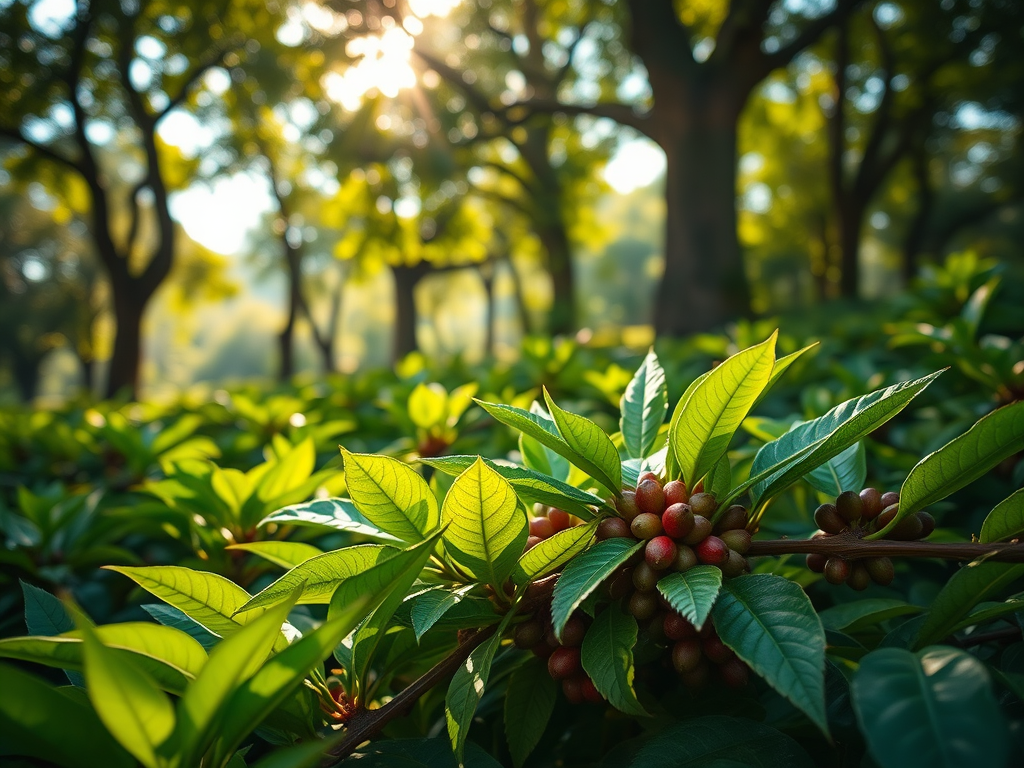
Coffee is more than just a morning ritual; it is a global commodity with deep-rooted cultural significance. Among the various methods of cultivation, shade-grown coffee has become a key focal point for environmentalists, farmers, and consumers alike. While often lauded for its ecological benefits, misconceptions surrounding shade-grown coffee persist. In this article, we will explore the realities of shade-grown coffee, clarify common myths, and highlight the environmental advantages of this sustainable agricultural practice.
What Is Shade-Grown Coffee?
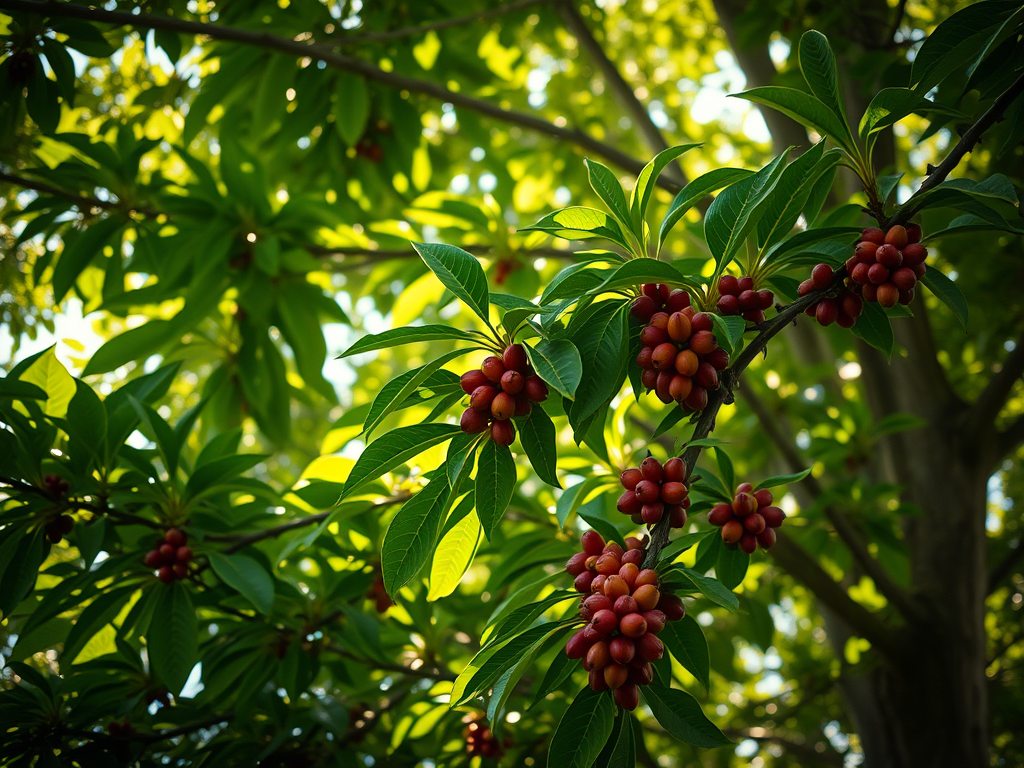
Shade-grown coffee is cultivated under the canopy of trees, mimicking the coffee plant’s natural habitat. This method contrasts sharply with the conventional sun-grown coffee cultivation that involves clear-cutting forests to maximize sun exposure. According to the Rainforest Alliance, shade-grown coffee can support biodiversity by providing habitat for various species, thus playing a significant role in ecological health.
Key Concepts: The Shade-Grown Coffee System
1. Agroforestry: This system integrates trees and shrubs into coffee farming, which not only nurtures the coffee plants but also enhances soil quality and protects water resources.
2. Biodiversity: Shade-grown coffee farms often serve as critical habitats for many bird and insect species, promoting higher biodiversity compared to monoculture plantations.
3. Organic Practices: Many shade-grown coffee growers adopt organic farming principles, reducing the use of chemical fertilizers and pesticides, thereby fostering healthier ecosystems.
Debunking Common Myths
Despite its apparent benefits, several myths about shade-grown coffee can lead consumers to misunderstand its impact on coffee production and the environment.
Myth 1: Shade-Grown Coffee Is Always Better for the Environment
While shade-grown coffee offers substantial environmental benefits, it is essential to recognize that not all shade-grown coffee is created equal. Some farms may still use harmful farming practices that can negate the positive effects of shade cultivation. To ensure genuine sustainability, consumers should look for certifications such as organic and Fair Trade, which signify adherence to environmentally friendly practices.
Myth 2: Shade-Grown Coffee Is Inferior in Quality
Another misconception is that shade-grown coffee lacks the bold flavors found in sun-grown varieties. However, many experts argue that the slower maturation process of shade-grown coffee beans can result in richer flavors. According to a study published in Food Research International, the unique flavor profiles of shade-grown coffee can indeed compete with their sun-grown counterparts.
Myth 3: Shade-Grown Coffee Cannot Provide Enough Yield
Critics often contend that shade-grown coffee yields are lower than those from conventional farming. While it is true that yields can be less, the trade-off comes in the form of environmental health. Moreover, practices like agroforestry can improve yields over time by enhancing soil health and resilience to climate change.
Embracing the Realities of Shade-Grown Coffee
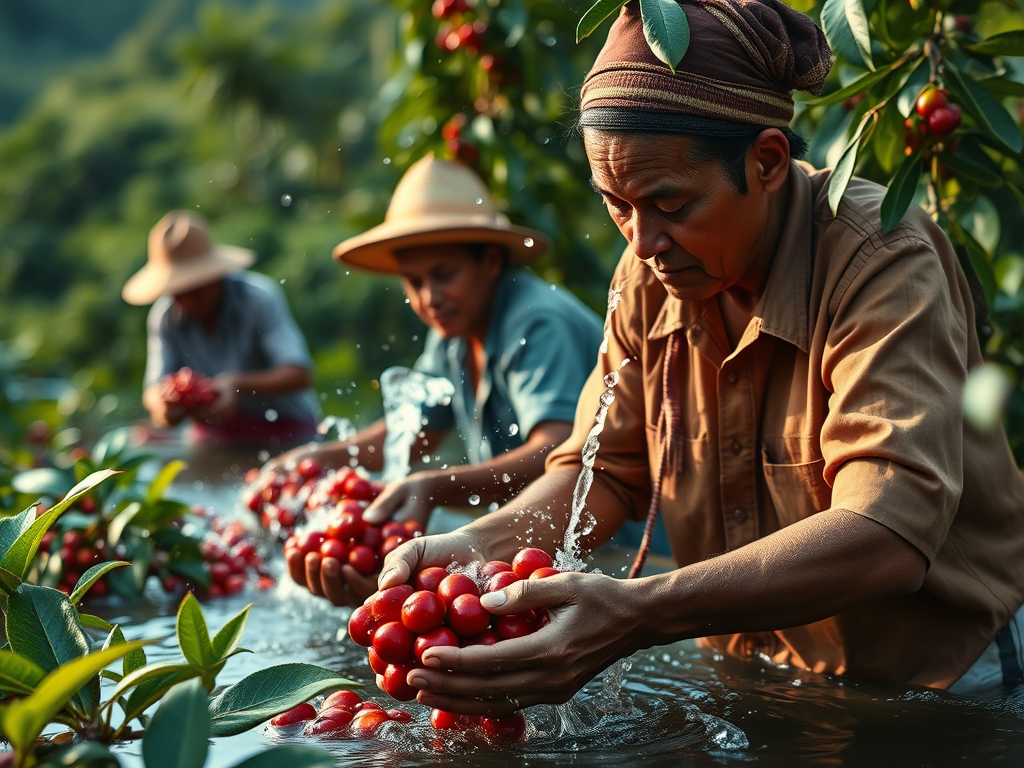
Understanding the realities of shade-grown coffee is essential for consumers looking to make informed purchasing decisions. Here are some key aspects to consider:
Economic Viability
Shade-grown coffee can generate better long-term economic benefits for farmers, despite potentially lower short-term yields. The preservation of biodiversity and improved soil health often lead to more resilient farming systems, reducing input costs over time. In regions where coffee is a primary source of income, such as Central and South America, sustainable practices foster economic stability.
Consumer Demand
As awareness of sustainability grows among consumers, the demand for shade-grown coffee increases. Many specialty coffee brands are stepping up to meet this demand by sourcing and promoting shade-grown varieties, enabling consumers to enjoy a high-quality product while supporting eco-friendly practices. The Specialty Coffee Association highlights various brands dedicated to sustainable sourcing.
Certification and Transparency
Certifications play a crucial role in ensuring that shade-grown coffee lives up to its promises. Organizations like the Rainforest Alliance and Smithsonian Migratory Bird Center offer certification programs that emphasize sustainable practices. Consumers can easily identify these certifications on packaging, facilitating responsible choices.
Fostering Environmental Benefits
The environmental advantages of shade-grown coffee extend beyond mere biodiversity. Here are several key benefits:
Carbon Sequestration
Trees in shade-grown coffee systems absorb carbon dioxide, helping mitigate climate change. A study published in Global Change Biology indicates that agroforestry systems can sequester significant amounts of carbon, making shade-grown coffee not just a beverage choice but a meaningful step toward environmental sustainability.
Soil Conservation
The interaction between tree canopies and coffee plants promotes healthier soil structures. The root systems of trees help prevent soil erosion and maintain moisture levels, which is particularly important in the face of increasing drought conditions due to climate change.
Water Resource Protection
Shade-grown coffee farms contribute to water conservation by maintaining higher soil moisture levels and preventing runoff. Trees act as natural water filters, improving the quality of local water supplies. These ecological services are invaluable, especially in regions where water scarcity is a growing concern.
Making Informed Choices
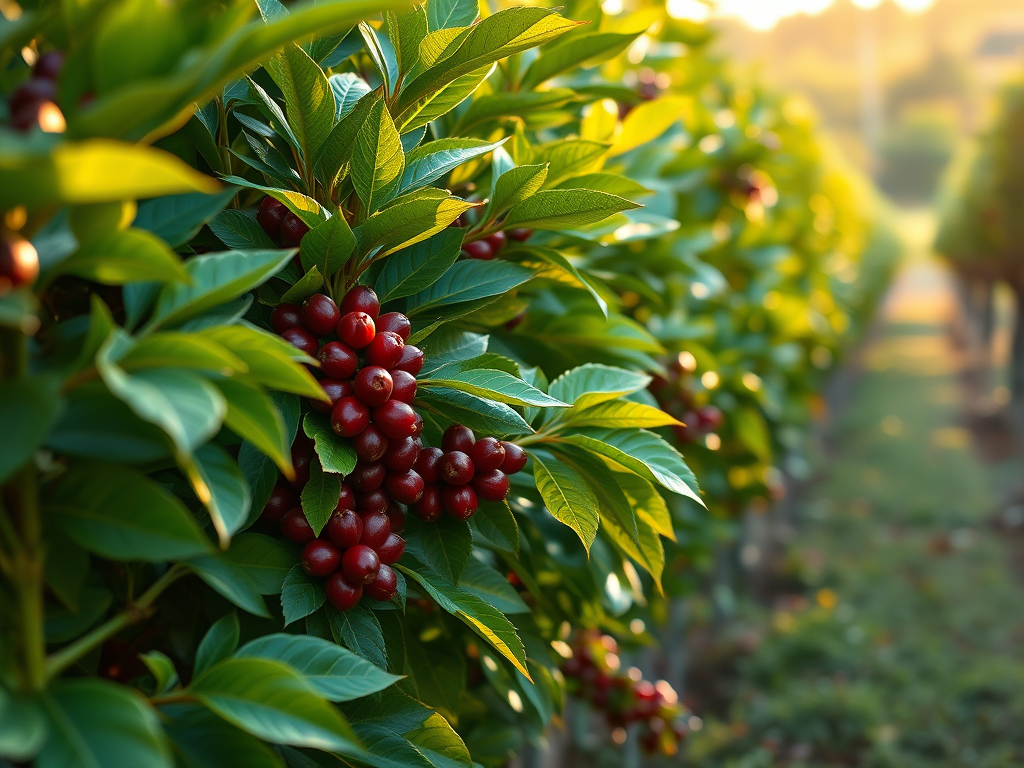
In exploring the topic of shade-grown coffee, we have uncovered the truths and myths surrounding this sustainable agriculture method. While it presents both challenges and benefits, the emphasis on environmental responsibility cannot be overstated. By opting for shade-grown coffee, consumers not only nourish themselves with a rich beverage but also contribute to biodiversity, soil conservation, and climate change mitigation.
Being an informed consumer means seeking out certifications and supporting brands that prioritize environmental stewardship. As the coffee industry continues to evolve, embracing shade-grown practices offers a pathway toward a more sustainable future—one cup at a time.




 Coffee Digest