
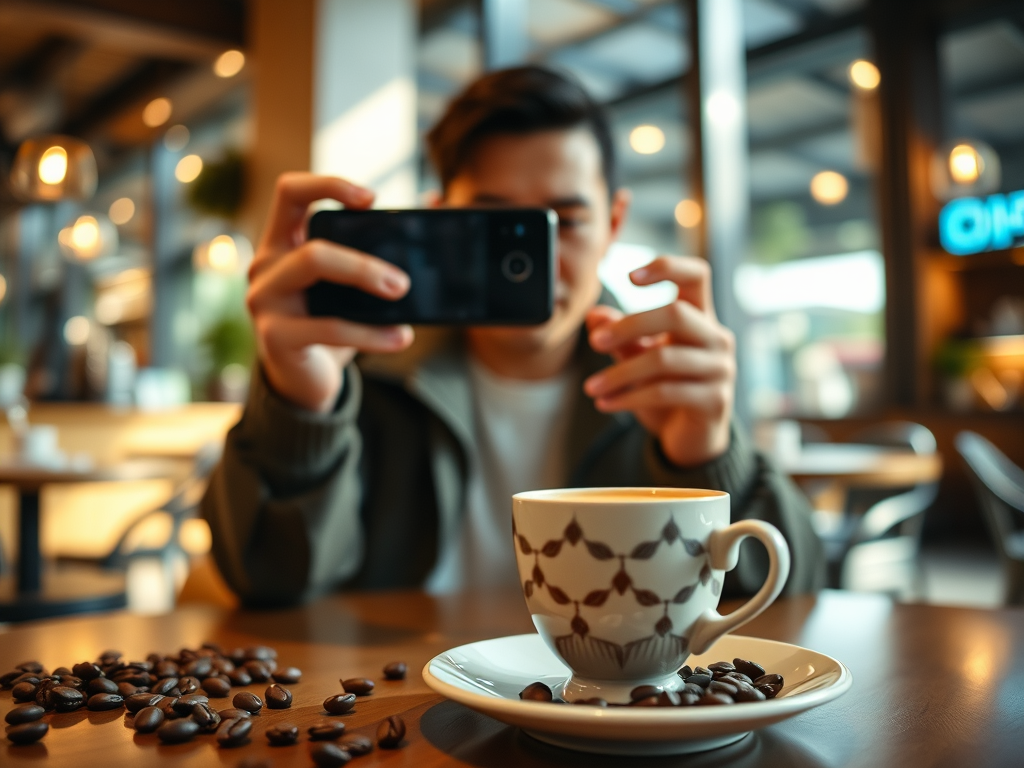
In recent years, social media platforms have transformed the way we consume information and make purchasing decisions. With the rise of coffee influencers—individuals who share their passion for coffee through engaging content—there has been a significant shift in how coffee brands market their products and how consumers perceive the coffee industry. However, while influencers can bring attention and excitement to the world of coffee, there’s an ongoing debate about whether their influence is ultimately beneficial or harmful to the industry.
The Positive Side of Coffee Influencers
Coffee influencers have certainly made an impact by educating consumers about various aspects of coffee—from brewing techniques to the importance of sourcing beans ethically. They often highlight specialty coffee roasters and sustainable practices, introducing audiences to high-quality products they may not have discovered otherwise. This exposure can lead to increased sales for smaller, independent brands, fostering a more diverse coffee market.
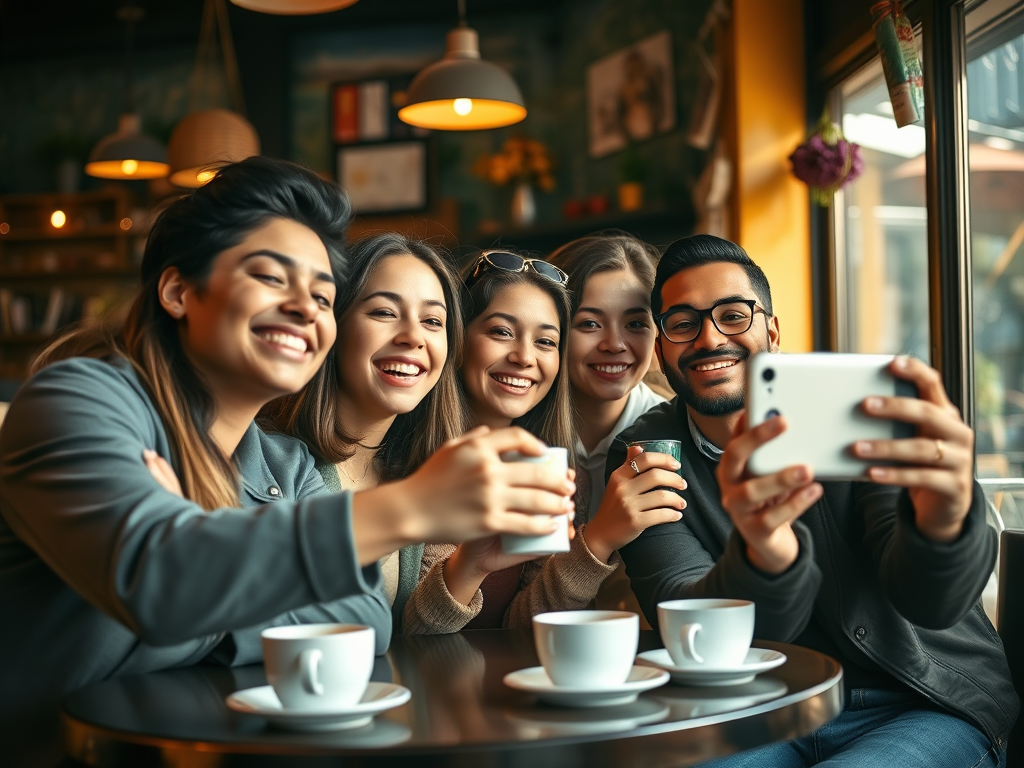
Moreover, influencers often create a sense of community among coffee enthusiasts. Their online presence allows fans to connect, share tips, and celebrate the artistry behind coffee-making. From Instagram to YouTube, these platforms serve as a hub for knowledge exchange and engagement, making coffee culture more accessible to everyone.
The Dark Side: Misinformation and Trends
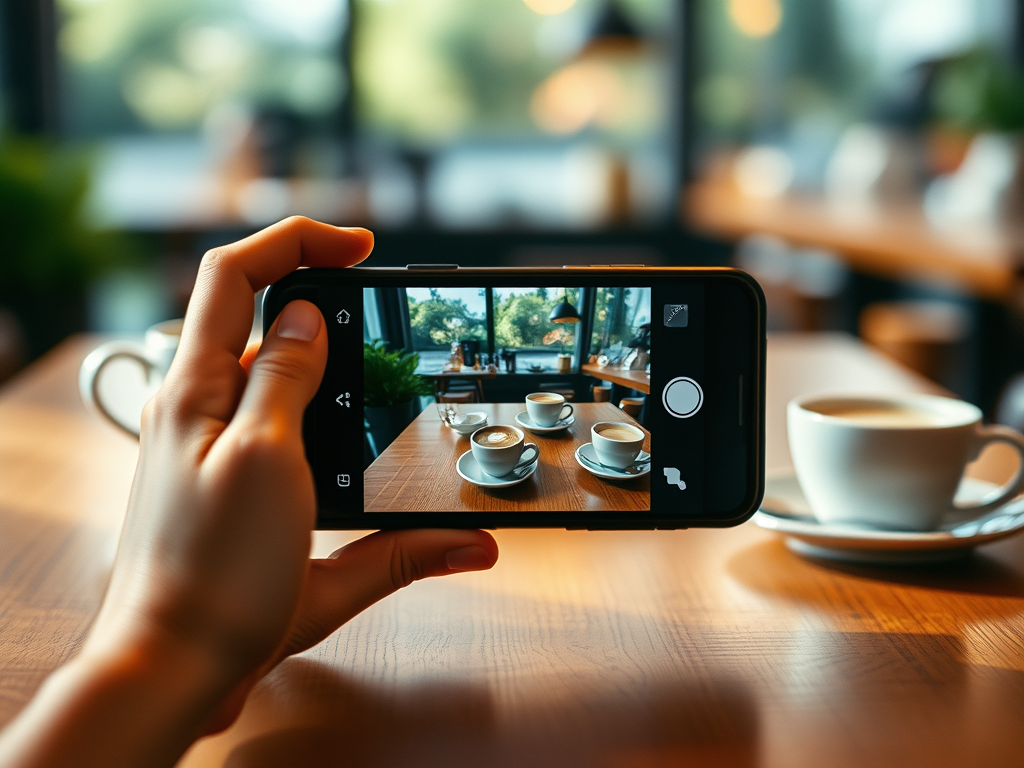
Despite the positive contributions, the rise of coffee influencers isn’t without its drawbacks. One major concern is the potential for misinformation. Influencers, especially those without formal training or a solid understanding of coffee science, may propagate fads or inaccurate claims about brewing methods, bean quality, or health benefits. Such misinformation can mislead consumers and devalue the expertise of industry professionals.
Additionally, some influencers promote trends that prioritize aesthetics over quality or sustainability. For example, the rise of extravagant coffee drinks—think colorful lattes topped with whipped cream and elaborate garnishes—can overshadow the importance of flavor and craftsmanship. While these visually stunning creations may generate buzz on social media, they might detract from the appreciation of traditional brewing methods and the rich history of coffee.
Commercialization and Authenticity
Another issue is the commercialization of influencer endorsements. Many influencers collaborate with brands for sponsored content, which can dilute the authenticity of their recommendations. When an influencer’s primary motivation is financial gain rather than genuine passion for a product, it raises questions about trustworthiness. Consumers may find it difficult to distinguish between authentic reviews and paid promotions, leading to skepticism about the influencers’ credibility.
Moreover, this trend often pushes established brands into a crowded marketplace where popularity is dictated by follower counts rather than product quality. Smaller companies may struggle to compete, focusing more on gaining visibility through influencers than enhancing their offerings or engaging with consumers directly.
Striking a Balance
So, are coffee influencers harmful to the industry? The answer is nuanced. While they can significantly contribute to the growth of specialty coffee culture and bring awareness to ethical practices, they also risk spreading misinformation and promoting trends that lack substance. To navigate this landscape, both influencers and consumers need to approach coffee culture thoughtfully.
Influencers should strive for transparency and prioritize education over mere entertainment. By sharing scientifically-backed information and genuine experiences with products, they can build credibility and trust within the community. Meanwhile, consumers must cultivate critical thinking skills, seeking out reliable sources and being mindful of the motivations behind influencer endorsements.
Striking a balance
The impact of coffee influencers is complex, with potential risks and rewards for the industry. As social media continues to shape consumer behavior, it is crucial for both influencers and the coffee community to work together towards a shared goal of promoting quality, sustainability, and education. By striking the right balance between influence and integrity, we can ensure that the love of coffee remains at the forefront of this ever-evolving industry.



 Coffee Digest