
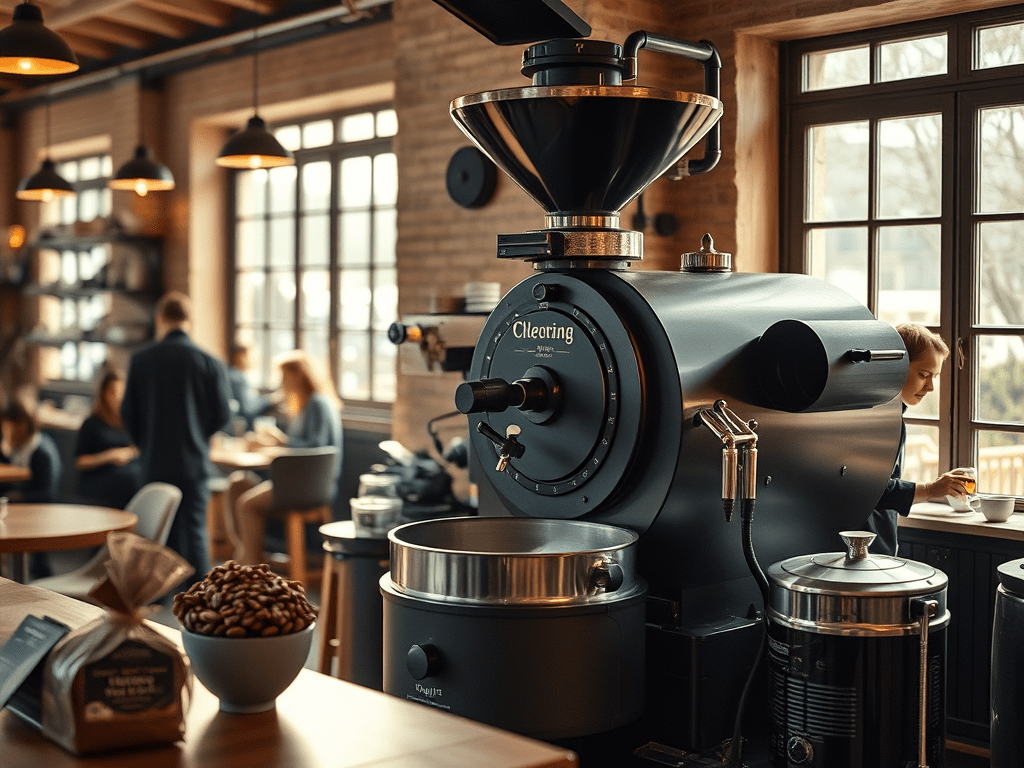
Germany has long been a country with a rich beverage culture, celebrated for its beer, wine, and hearty food pairings. Yet, as global tastes evolve, specialty coffee is gaining traction and is poised to carve out a significant niche in the German beverage landscape. The question remains: will specialty coffee truly find its place among the traditional staples of German drinking culture?
The Rise of Specialty Coffee
Over the past decade, the specialty coffee movement has transformed how we perceive and consume coffee worldwide. Specialty coffee emphasizes quality, sustainability, and unique flavor profiles, often sourced directly from farmers and roasted with precision. This movement has introduced coffee lovers to a world of single-origin beans, intricate brewing methods, and innovative coffee shops that prioritize craftsmanship and community engagement.
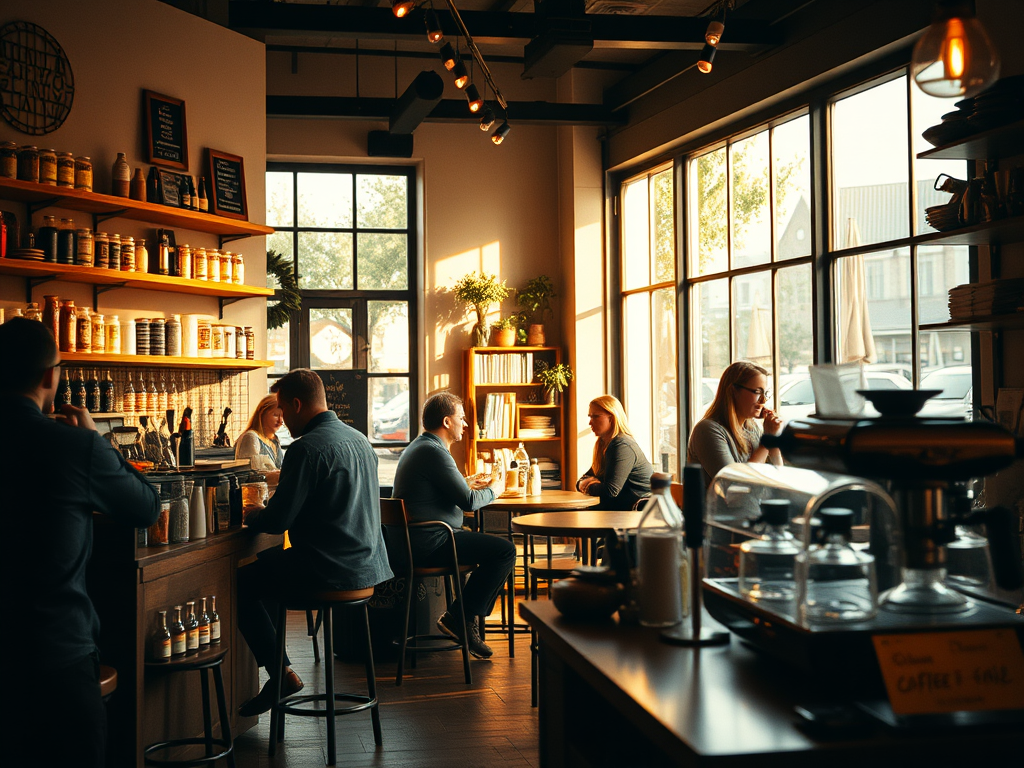
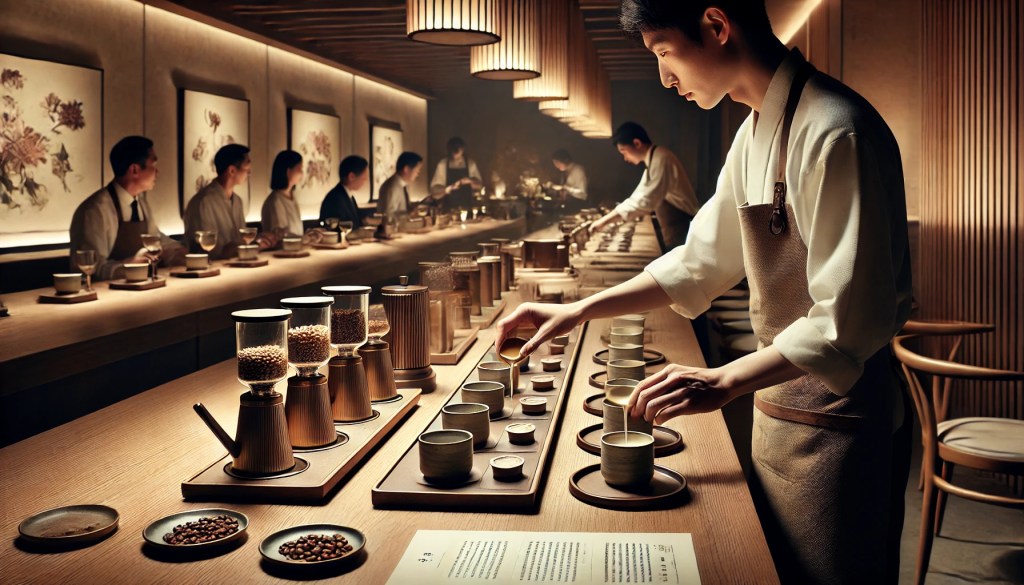
In Germany, cities like Berlin, Hamburg, and Munich are becoming hotspots for specialty coffee enthusiasts. Hip cafés with artisanal baristas serve meticulously crafted brews, showcasing a variety of origin flavors that reflect the beans’ terroir. This evolution is not just about caffeine; it’s a cultural shift towards greater appreciation for quality and individuality in everyday beverages.
Cultural Integration
Germany’s relationship with coffee has historically revolved around filter coffee and espresso-based drinks at home or in cafés. However, the growing interest in specialty coffee signals a potential shift. As consumers become more educated about coffee’s nuances, they seek experiences that go beyond the conventional cup.
The integration of specialty coffee into German culture might mirror the earlier shifts seen in craft beer and wine. Just as Germany embraced microbreweries and organic vineyards, so too can it welcome small-batch coffee roasters and artisan coffee shops. The burgeoning trend of third-wave coffee is gradually influencing consumer preferences, particularly among millennials and younger generations who are eager to explore gourmet options.
Sustainability and Ethics
One of the cornerstones of the specialty coffee movement is sustainability. Consumers are increasingly aware of ethical sourcing practices and the impact of their purchases. In Germany, where environmental consciousness is high, this aspect resonates deeply. Many specialty coffee brands prioritize direct trade and fair compensation for farmers, appealing to consumers who value responsible consumption.
As Germans continue to embrace sustainability across various sectors, the alignment of specialty coffee with these values could bolster its presence in the market. Local roasters often highlight their commitment to ethical sourcing, which could further attract eco-minded consumers.
Challenges Ahead
Despite its promise, there are challenges specialty coffee must navigate to solidify its place in Germany. The traditional coffee culture is deeply rooted, and many consumers are still accustomed to the familiar taste of classic coffee styles. Transitioning these consumers to appreciate the complexities of specialty coffee requires education and exposure, which could take time.
Additionally, price sensitivity may pose hurdles. Specialty coffee often comes with a premium price tag due to its quality and sourcing practices. Convincing everyday coffee drinkers to invest in a higher-priced product when traditional options are readily available will require strategic marketing and compelling narratives around quality and experience.
Conclusion
The future of specialty coffee in Germany is promising but depends on ongoing consumer education and cultural integration. As more coffee aficionados emerge and curiosity about brewing methods deepens, specialty coffee could indeed secure its place within the diverse tapestry of German beverage culture.
With a foundation built on quality, sustainability, and community, the specialty coffee movement is set to challenge the status quo and inspire a new generation of coffee lovers in Germany. Only time will tell how this journey unfolds, but the momentum is undeniable, and the stage is set for specialty coffee to thrive.


 Coffee Digest