
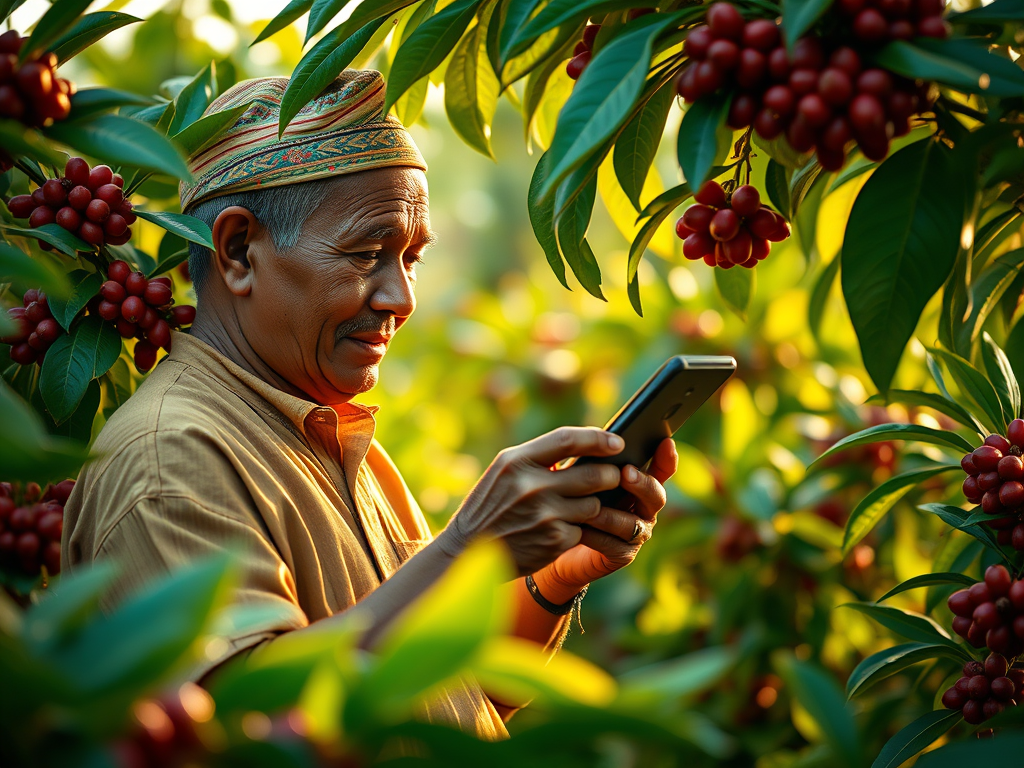
In an increasingly globalized world, the agricultural sector has traditionally struggled with direct market access, notably in the coffee industry. Coffee farmers, often located in remote regions, face challenges in reaching buyers like coffee roasters, leading to inefficiencies and unfair pricing structures.
However, the advent of digital platforms is transforming this landscape, creating new opportunities for farmers and enabling them to connect directly with roasters. This initiative is not merely a technological advancement; it represents a significant shift toward equitable trade practices and sustainable sourcing.
Understanding the Digital Transformation in Agriculture
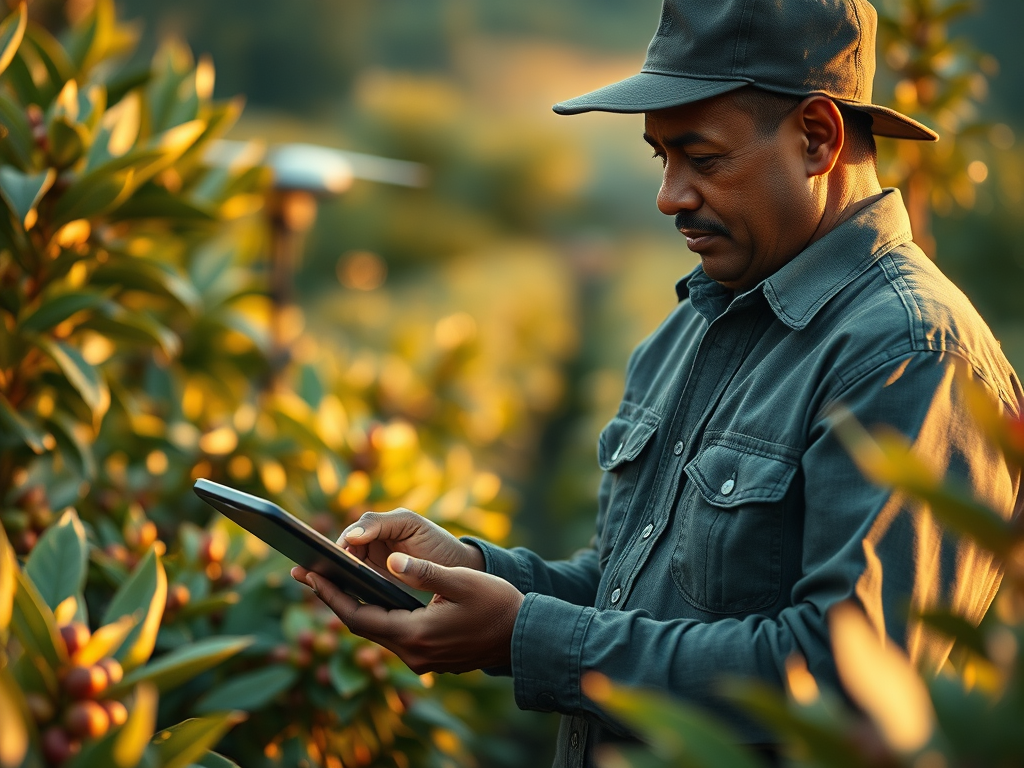
Digital platforms such as Source Climate and Direct Trade Coffee are at the forefront of this transformation, utilizing technology to facilitate direct relationships between farmers and roasters. These platforms serve as intermediaries that eliminate traditional barriers, reducing the dependency on middlemen who often siphon off profits from farmers. By leveraging tools such as mobile applications and websites, these platforms offer farmers a channel to showcase their products, manage sales, and build relationships with potential buyers.
The key concepts at play here involve direct trade and fair trade practices. Direct trade entails roasters purchasing coffee directly from farmers, often at higher prices than those set by conventional trading systems. In contrast, fair trade focuses on providing equitable compensation while ensuring sustainable farming practices. The blending of these two approaches through digital platforms can create a more accountable supply chain where both parties—farmers and roasters—benefit.
Empowering Farmers Through Technology
One of the most significant impacts of digital platforms is their ability to empower farmers. Traditionally, farmers had limited access to market information, leaving them vulnerable to exploitation. According to the International Coffee Organization(, over 25 million farmers contribute to coffee production globally, yet many live below the poverty line due to poor pricing mechanisms.
However, platforms like AgFunder and others have democratized access to market insights, allowing farmers to make informed decisions about when and how to sell their crops. For instance, with real-time pricing data available on these platforms, farmers can choose the best time to sell based on market demand, leading to improved financial outcomes. Furthermore, these digital solutions often incorporate educational resources, helping farmers adopt better cultivation practices, thereby enhancing both yield and quality.
Case Studies: Success Stories from the Field
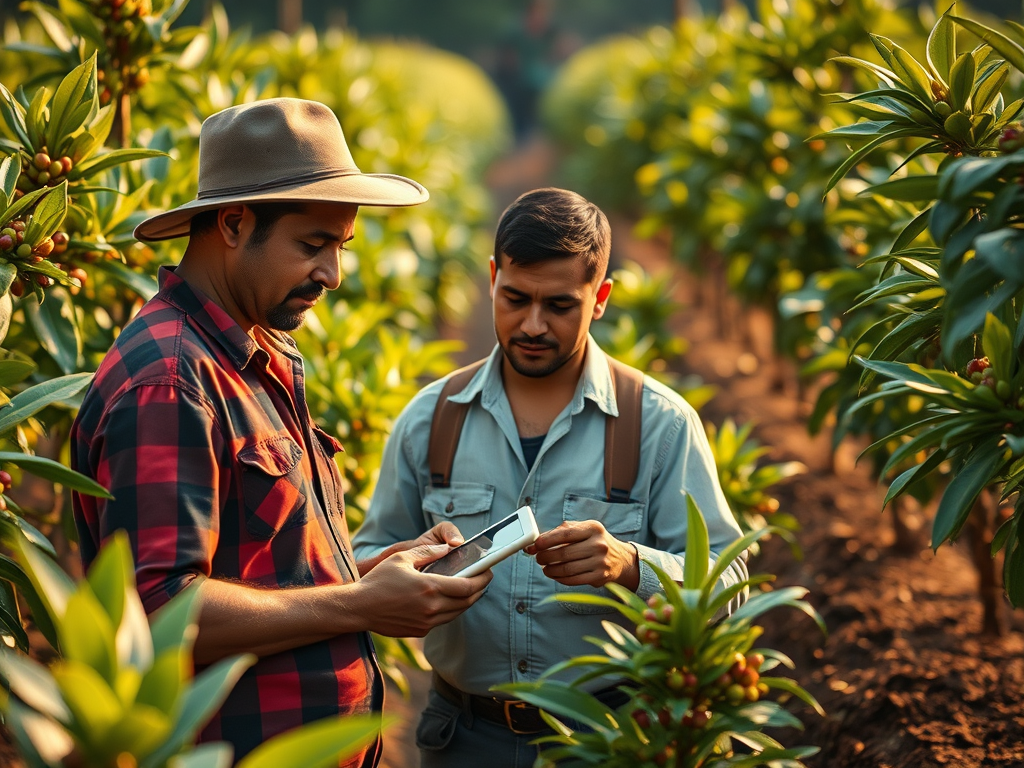
Several case studies illustrate the potential of these digital platforms. One notable example is the Honduran Coffee Cooperative, which has successfully utilized digital tools to connect local farmers with international roasters. By bypassing traditional chains, the cooperative has been able to ensure that more profits remain within the community, thus enhancing livelihoods and empowering women farmers in particular.
Another success story is one of Alliance for Coffee Excellence, which operates the Cup of Excellence program. This platform not only connects farmers with specialty roasters but also fosters competition among growers to produce high-quality coffee. As a result, farmers engage in continuous improvement, thereby elevating the overall quality of coffee and ensuring that those who invest in premium products receive higher returns.
Challenges and Criticisms of Digital Platforms
Despite the advantages presented by digital platforms, it’s essential to approach this evolution critically. One concern is the digital divide; not all farmers have equal access to technology or the internet. In rural areas, limited connectivity can hinder participation in these digital marketplaces. Moreover, younger generations, who are typically more tech-savvy, may migrate to urban centers for better opportunities, leaving behind an aging population that might struggle with adaptation.
Additionally, while direct trade has the potential to offer better prices, there is no guarantee that all roasters adhere to these ethical practices. Some companies may use these platforms to market themselves as socially responsible while still engaging in exploitative behaviors. Therefore, transparency becomes crucial. Farmers must be able to assess roasters’ commitments to ethical sourcing and fair compensation.
Looking Ahead: The Future of Coffee Sourcing
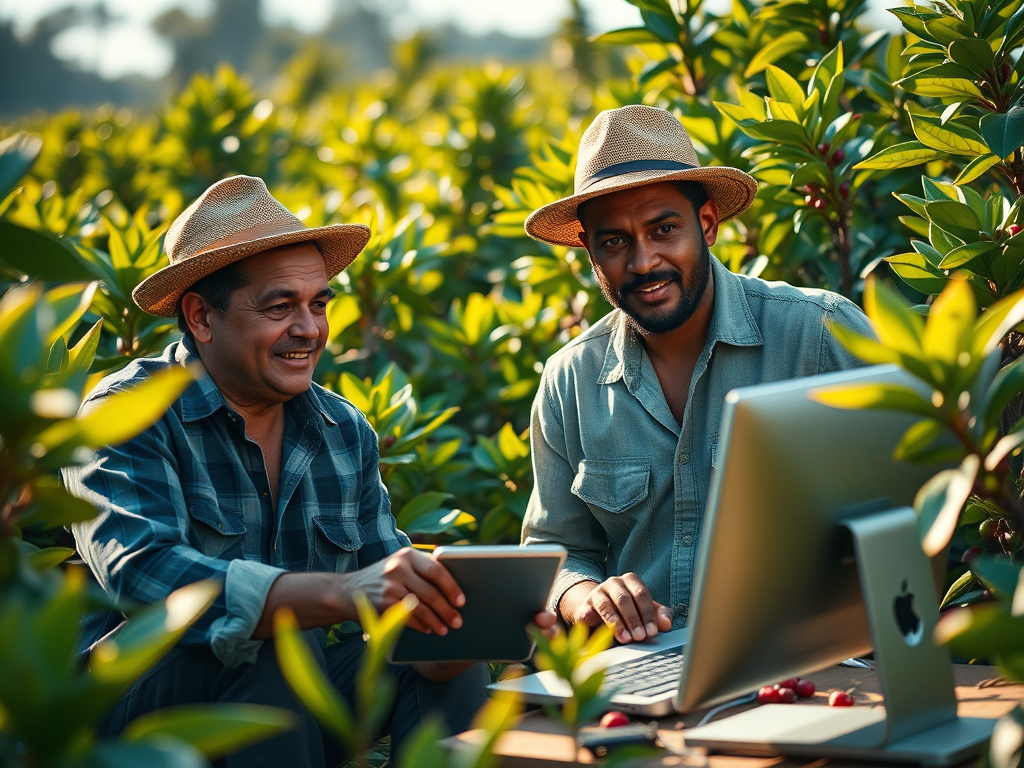
The future of coffee sourcing hinges significantly on continued innovation in digital platforms. As technology evolves, opportunities for greater engagement and more profound connections between farmers and roasters will expand. Blockchain technology, for example, offers promising potential to increase transparency in the supply chain, allowing all stakeholders to trace the origin of coffee beans and verify the terms of trade.
Moreover, initiatives aimed at strengthening rural infrastructure, such as improving internet connectivity and providing training in technology use, will be vital for maximizing these innovations. Organizations like TechnoServe work to provide the necessary support and training for farmers to navigate these digital platforms effectively.
A Balanced View on Progress
Digital platforms represent a groundbreaking step towards connecting coffee farmers with roasters directly. They offer the potential for fairer pricing, increased empowerment, and sustainable practices. However, to fully harness these benefits, stakeholders must address existing challenges such as technology access, transparency, and ethical practices.
As we continue to explore this evolving landscape, collaboration among farmers, roasters, tech developers, and NGOs will be essential for crafting a coffee industry that is not only profitable but also just and sustainable. Bridging the gap between farmers and roasters is more than just a technological solution; it is about fostering a community committed to equity, shared prosperity, and respect for the environment.




 Coffee Digest