

The coffee culture in the Middle East is as rich and complex as the region itself, steeped in tradition and history. However, in recent years, a new wave of coffee enthusiasts has emerged, leading to a remarkable transformation in the coffee landscape. The rise of specialty coffee is now a defining trend, signaling not just an evolution in taste but a burgeoning industry that intertwines with cultural expression, economic development, and social change.
A Historical Perspective
Coffee has been a staple beverage in the Middle East for centuries, with origins tracing back to the 15th century in Yemen. The traditional preparation often involved brewing finely ground coffee beans with cardamom, and it was typically served in small cups, accompanied by dates or sweets. Despite this deep-rooted history, the modern coffee scene in the Middle East is increasingly leaning towards specialty coffee, characterized by high-quality beans, precise brewing methods, and an artisanal approach.
Traditionally, coffee in the Middle East has been more about social interaction than the nuances of flavor and brewing technique. However, as global trends merge with local tastes, there is a growing recognition of coffee as a craft and an art form. This shift reflects broader changes in consumer behavior, where discerning customers seek quality experiences—an expectation that specialty coffee cafes are eager to fulfill.
Emergence of Specialty Coffee Shops
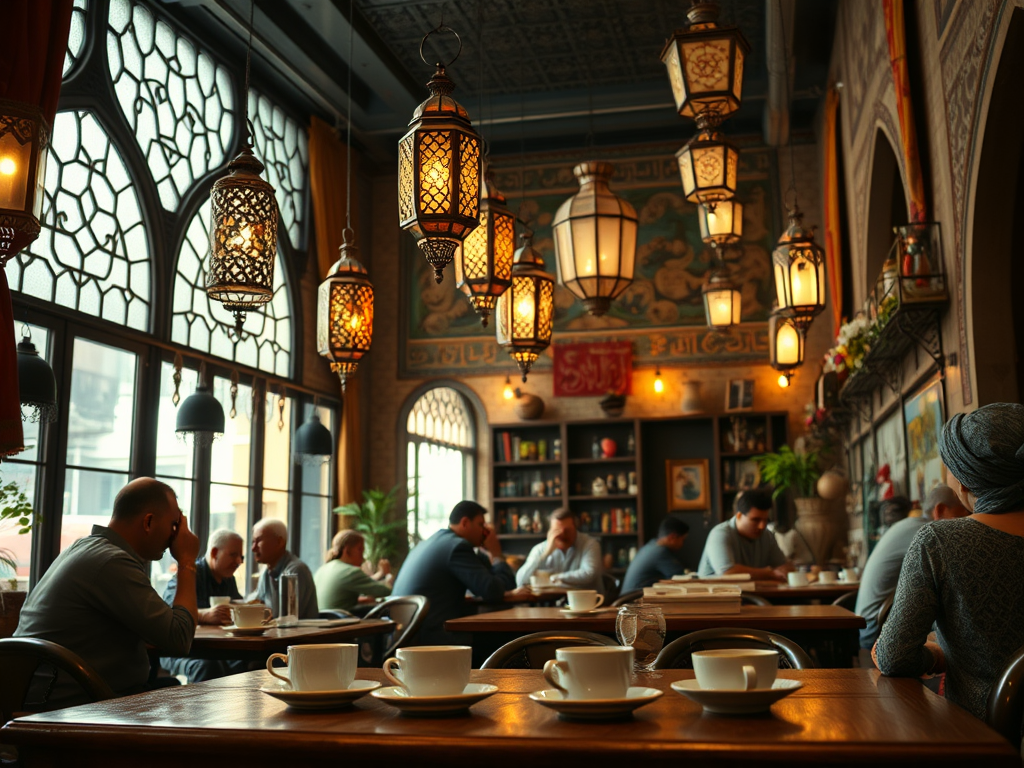
In the past decade, cities like Dubai, Beirut, and Riyadh have witnessed the emergence of stylish specialty coffee shops, each offering unique atmospheres and curated menus. These cafes often focus on single-origin beans sourced directly from farmers, paying homage to the farm-to-cup movement that emphasizes transparency and sustainability.
For instance, Dubai has become a hub for coffee aficionados, boasting various cafes that showcase international blends and innovative brewing techniques. Notable establishments have sprung up, serving cold brews, pour-overs, and nitro coffees, thereby elevating the coffee experience. More importantly, these cafes serve as community spaces, fostering connections among individuals who share a passion for coffee.
Beirut, known for its rich culinary scene, is following suit, with numerous cafes dedicated to the art of coffee making. The local market is increasingly embracing third-wave coffee, which focuses on recognizing coffee as an artisanal product that deserves the same respect as wine or fine spirits. This shift is indicative of a broader appreciation for quality over quantity, a mindset that resonates deeply within the region’s evolving consumer base.
The Impact of Technology
Technological advancements are playing a significant role in the rise of specialty coffee. From state-of-the-art espresso machines to brewing gadgets like Aeropresses and siphons, technology is enhancing the quality of coffee preparation. Moreover, mobile applications are changing the way consumers interact with coffee. Through apps, users can explore different cafes, learn about their favorite beans, and even connect with baristas for personalized recommendations.
Social media platforms, particularly Instagram, have also fueled the coffee craze. The visual appeal of latte art and aesthetically pleasing cafe interiors drives customers to seek out the best specialty coffee spots, further contributing to the industry’s growth. Baristas have become influencers in their own right, sharing their skills and coffee journeys online, thus creating a vibrant coffee culture that resonates with a younger demographic.

The Role of Education
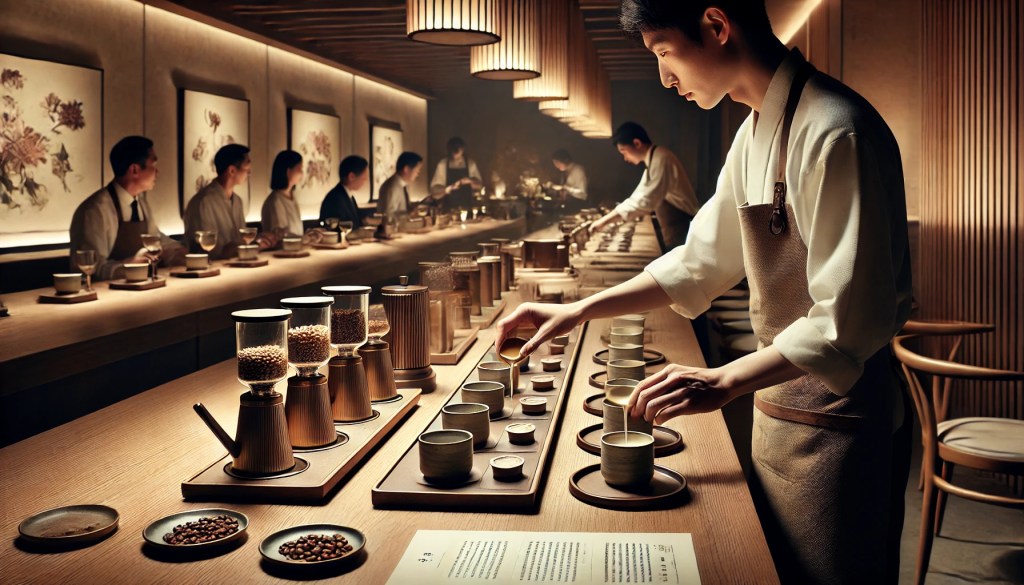
Education is another critical factor propelling the specialty coffee movement in the Middle East. As consumers become more discerning, there is a growing demand for knowledge about coffee sourcing, brewing techniques, and flavor profiles. Workshops, cupping sessions, and barista training programs are popping up, allowing enthusiasts to deepen their understanding of the craft.
Local coffee schools and roasting companies are emerging, contributing to the professionalization of the sector. Aspiring baristas are not only learning how to create the perfect cup but also gaining insights into the ethical implications surrounding coffee production. This emphasis on education is reshaping the perception of coffee in the region, transforming it from a mere beverage into a nuanced experience that engages the senses and mind.
Economic Opportunities and Challenges
The rise of specialty coffee presents various economic opportunities for the Middle East. It opens avenues for new businesses, stimulates job creation, and encourages local entrepreneurship. Young entrepreneurs are taking the plunge, launching coffee startups that contribute to the burgeoning specialty coffee scene. Many are focusing on sustainability, ethical sourcing, and community engagement, aligning with global trends while catering to local preferences.
Yet, the industry faces challenges. The specialty coffee market is competitive and requires substantial investment in terms of equipment, training, and marketing. Moreover, logistical hurdles in sourcing high-quality beans can be a barrier to entry for some businesses. Yet, proactive initiatives, whether through government support or public-private partnerships, can foster an environment conducive to growth.

The Future of Specialty Coffee in the Middle East
Looking ahead, the future of specialty coffee in the Middle East appears promising. As interest continues to grow, we can expect to see more diverse offerings, innovative brewing methods, and a deeper connection to coffee’s roots. The rise of home brewing, thanks to increasing access to equipment and educational resources, signals a shift in how people engage with coffee on a personal level.
Additionally, the global movement towards sustainability will likely influence the Middle Eastern coffee industry. Consumers are becoming more conscious of their ecological footprint, pushing businesses to adopt environmentally friendly practices. We may see more local roasting operations emerge, emphasizing transparent supply chains and sustainable farming practices that benefit both producers and consumers.
With a younger generation increasingly invested in quality, authenticity, and sustainability, the specialty coffee movement is set to continue its upward trajectory in the Middle East. As this vibrant culture evolves, it carries the potential to redefine not just how coffee is consumed but also how it is perceived—as a craft that brings communities together, supports economies, and tells stories.

The surge of specialty coffee in the Middle East is much more than a trend; it embodies a cultural renaissance inspired by a global shift towards quality and craftsmanship. As the industry grows, it promises to enrich the regional coffee narrative, blending tradition with modernity. With every cup brewed, the rising aromas of the Middle East’s specialty coffee scene continue to awaken a collective appreciation for one of the world’s most beloved beverages, hinting at a bright future ahead.



 Coffee Digest